
Sunday, November 15, 2026Nov 15

German leader’s stance on Russia looms over 1st visit to US

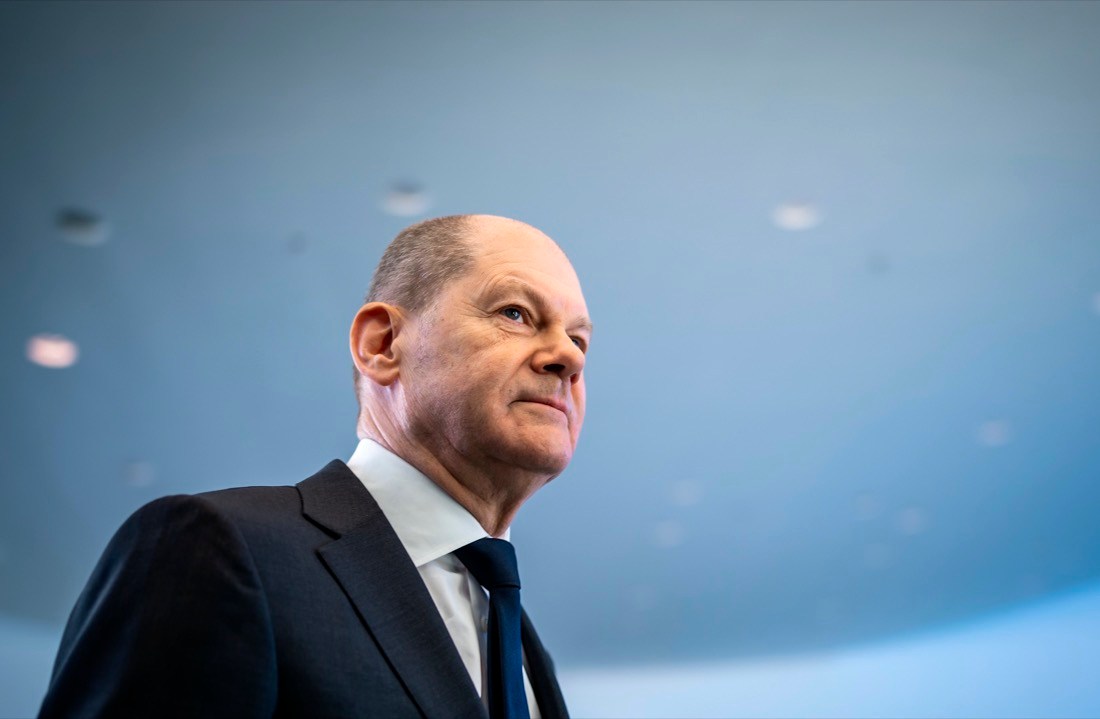
FILE - German Chancellor Olaf Scholz leaves after a news conference, ahead of a one-day closed meeting of the German Cabinet at the Chancellery in Berlin, Germany, Friday, Jan. 21, 2022. Scholz is flying to Washington this week to reassure Americans that his country stands alongside the United States and other NATO partners in opposing any Russian aggression against Ukraine. Scholz has publicly said that Moscow would pay a "high price" in the event of an attack. But his government's refusal to supply lethal weapons to Ukraine, bolster its troop presence in eastern Europe or spell out which sanctions it would support against Russia has drawn criticism abroad and at home. (Michael Kappeler/Pool via AP, File)

BERLIN (AP) – German Chancellor Olaf Scholz set off Sunday for Washington seeking to reassure Americans that his country stands alongside the United States and other NATO partners in opposing any Russian aggression against Ukraine.

Scholz has said that Moscow would pay a “high price” in the event of an attack, but his government’s refusal to supply lethal weapons to Ukraine, bolster Germany’s troop presence in Eastern Europe or spell out which sanctions it would support against Russia has drawn criticism abroad and at home.

“The Germans are right now missing in action. They are doing far less than they need to do,” Sen. Richard Blumenthal, a Democrat and member of the Armed Services Committee, recently told an audience of Ukrainian Americans in his state, Connecticut.

This sentiment was echoed by Republican Sen. Rob Portman, who questioned why Berlin hadn’t yet approved a request to let NATO member Estonia pass over old German howitzers to Ukraine. “That makes no sense to me, and I’ve made that very clear in conversations with the Germans and others,” Portman told NBC.

Ahead of his trip, Scholz defended Germany’s position not to supply Kyiv with lethal weapons, but insisted that his country is doing its bit by providing significant economic support to Ukraine.