
Sunday, November 15, 2026Nov 15

Loans, taxes, regulations on small business election agenda

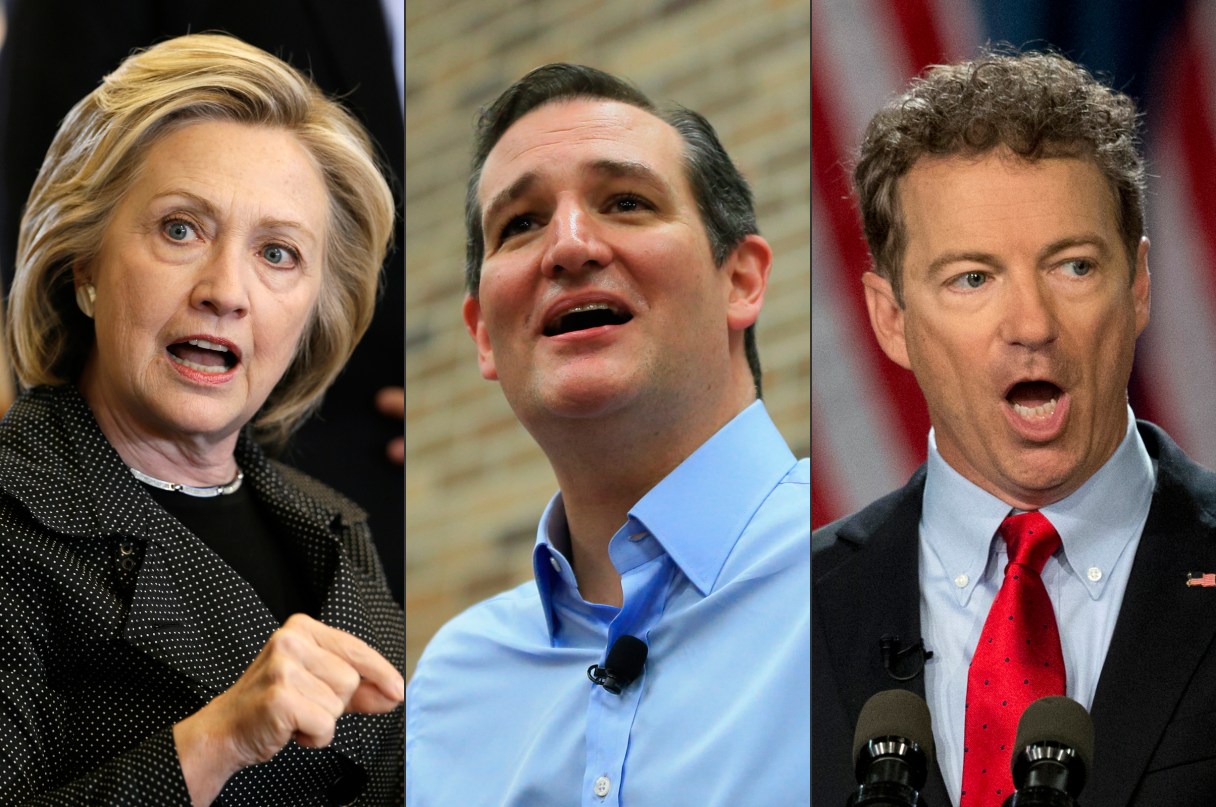
This photo combination shows, from left, Democratic presidential candidate Hillary Rodham Clinton, left, Republican presidential candidate, U.S. Sen. Ted Cruz, of Texas, and Republican presidential candidate Rand Paul, of Kentucky. Small businesses aren’t in the dire straits they were four years ago, but presidential candidates aren’t letting go of an issue they think will get them votes. (AP Photo/Charlie Neibergall/Nati Harnik/Carloyn Kaster)

There are no “one size fits all” issues for small business in the 2016 presidential campaign. While candidates try to appeal to all small businesses, many owners want very specific things. A sample of what’s on the agenda of some individual owners, and two small business advocacy groups:

HELP SMALL BANKS COMPETE

Community banks whose customers include small businesses are at a disadvantage because of regulations under the Dodd-Frank Act implemented following the 2008 banking crisis, says Jim Angleton, owner of Aegis FinServ, a Miami-based financial services company. While the law is needed to prevent a recurrence of the practices that led to bank failures of all sizes, it places a disproportionate financial burden on smaller banks, Angleton says.

“They can’t effectively service the business community,” he says.

The number of small banks in the U.S. dropped 14 percent after Dodd-Frank was enacted in 2010, according to researchers at George Mason University.