
LONDON (AP) – When Prince William and Kate announced they were expecting their first child in 2012, the appetite for royal baby news seemed insatiable.
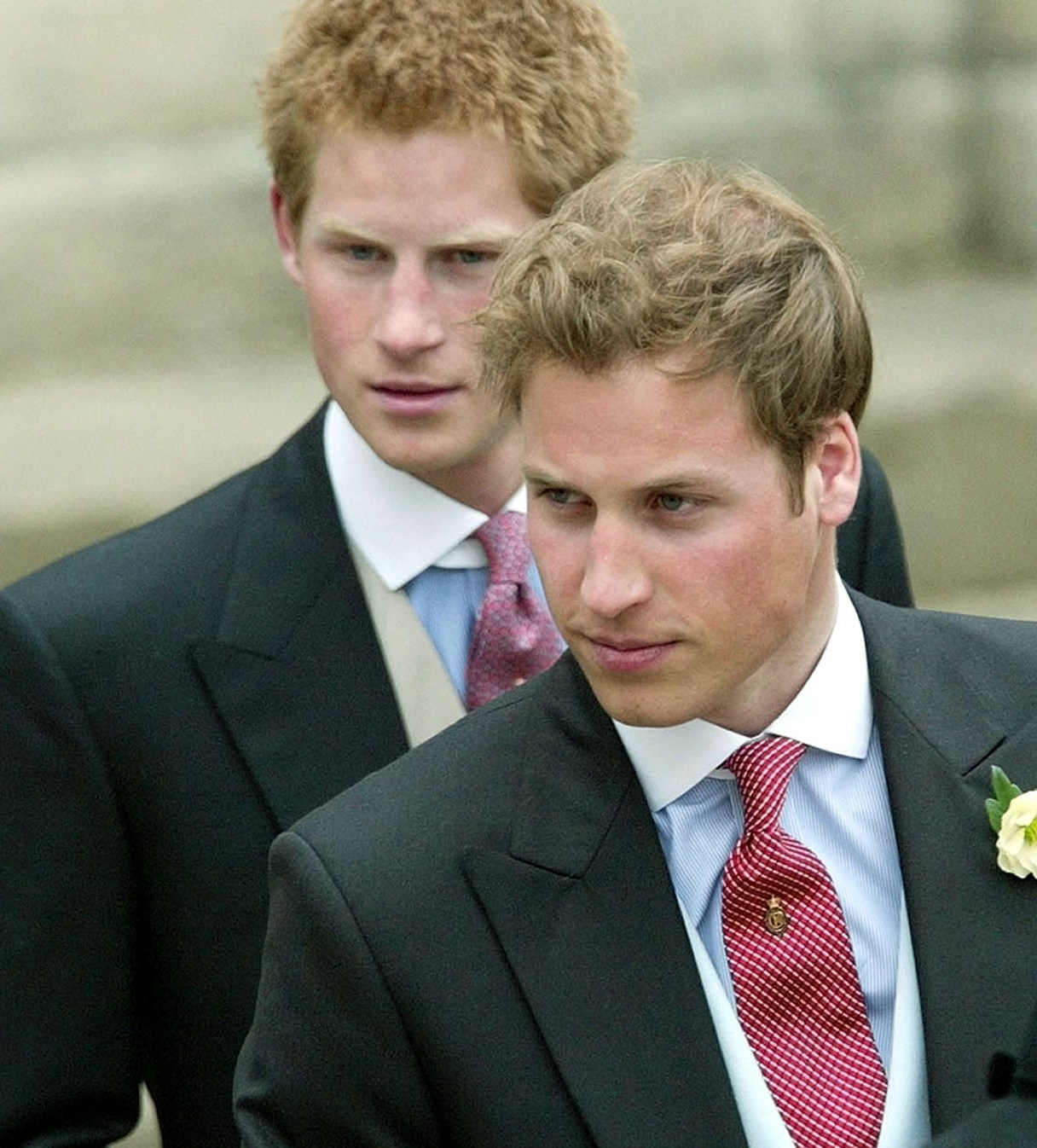
Three years on, interest surrounding the young royals’ second child – a younger brother or sister to George – is notably more subdued. Part of it may be that the novelty of seeing “Kate and Wills” as parents has worn off. But it’s also inevitable given the royal succession rule, in which the throne always passes to the eldest child. Second-born royals in the line of succession rarely have to worry about one day becoming king or queen – they are known half-jokingly as the “spares to the heir.”
It’s a position that brings far less responsibility, but also fewer privileges than those enjoyed by the heir apparent. It’s also one that attracts relentless public scrutiny.
While eldest children have their destinies carved out from birth, many royal “spares” have struggled to find meaningful public roles.
“It’s always been a rather unenviable situation. There are often shades of jealousy, evident in the current queen and her sister,” said Joe Little, managing editor at Britain’s Majesty magazine, referring to Princess Margaret and Queen Elizabeth II.