
Friday, November 6, 2026Nov 6

This story is free to read.

Congress probing California oil spill that blackened beaches

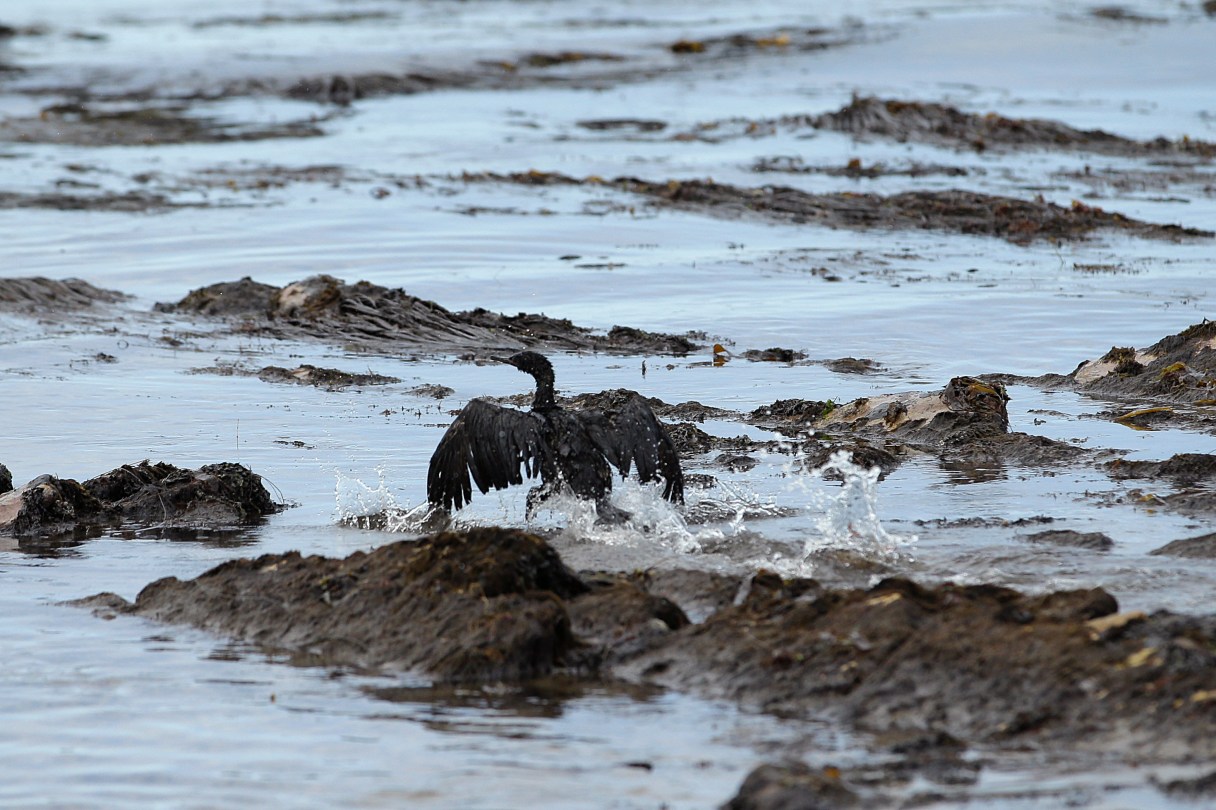
FILE - In this May 21, 2015 file photo, a bird covered in oil flaps its wings at Refugio State Beach, north of Goleta, Calif. As thousands of gallons of crude oil from a ruptured pipeline spread along the California coast, its operator was unable to contact workers near the break to get information required to alert federal emergency officials, records released Wednesday, June 24, 2015 said. (AP Photo/Jae C. Hong, File)
FILE - In this May 21, 2015 file photo, a bird covered in oil flaps its wings at Refugio State Beach, north of Goleta, Calif. As thousands of gallons of crude oil from a ruptured pipeline spread along the California coast, its operator was unable to contact workers near the break to get information required to alert federal emergency officials, records released Wednesday, June 24, 2015 said. (AP Photo/Jae C. Hong, File) FILE - In this May 21, 2015 file photo, a bird covered in oil flaps its wings at Refugio State Beach, north of Goleta, Calif. As thousands of gallons of crude oil from a ruptured pipeline spread along the California coast, its operator was unable to contact workers near the break to get information required to alert federal emergency officials, records released Wednesday, June 24, 2015 said. (AP Photo/Jae C. Hong, File)

LOS ANGELES (AP) – A congressional committee has opened a probe into a California oil spill that blackened beaches and created a 9-mile ocean slick last month.

The House Energy and Commerce Committee on Thursday asked the pipeline operator for detailed information on maintenance of the failed line and inspection records.

The panel also wants Plains All American Pipeline to explain what it did in the hours leading up to the break near Santa Barbara, and how it reported the problem.

The Texas company has been facing criticism that it took too long to notify federal emergency officials.

The break in a badly corroded section of pipeline released up to 101,000 gallons of crude oil. An estimated 21,000 gallons entered the ocean.

Federal regulators are seeking the cause.