
Friday, October 30, 2026Oct 30

This story is free to read.

EXPLAINER: How does election certification usually work?

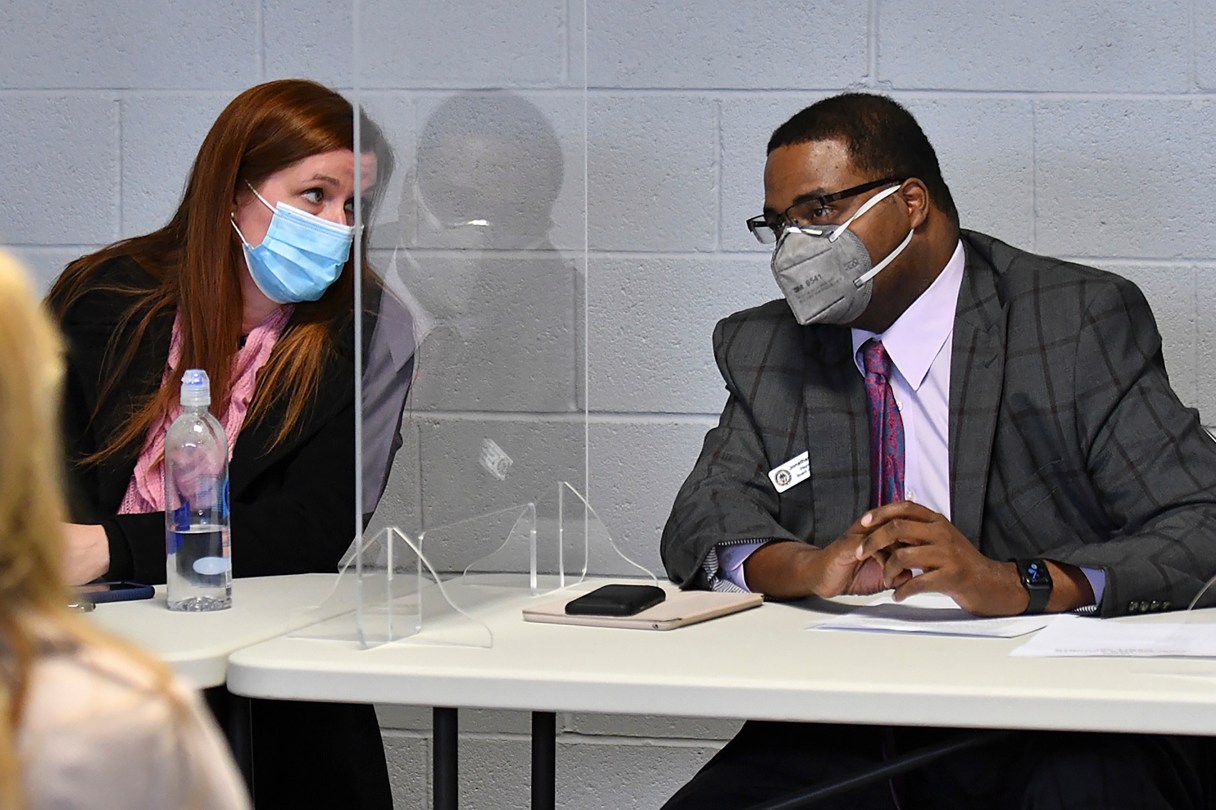
In this Nov. 17, 2020, file photo, Wayne County Board of Canvassers Chair Monica Palmer, left, talks with Vice Chair Jonathan Kinloch before the board's meeting in Detroit. Michigan's largest county has unanimously certified election results showing Democrat Joe Biden defeating President Donald Trump, hours after Republicans first blocked formal approval of voters' intentions. (Robin Buckson/Detroit News via AP, File)
In this Nov. 17, 2020, file photo, Wayne County Board of Canvassers Chair Monica Palmer, left, talks with Vice Chair Jonathan Kinloch before the board's meeting in Detroit. Michigan's largest county has unanimously certified election results showing Democrat Joe Biden defeating President Donald Trump, hours after Republicans first blocked formal approval of voters' intentions. (Robin Buckson/Detroit News via AP, File) In this Nov. 17, 2020, file photo, Wayne County Board of Canvassers Chair Monica Palmer, left, talks with Vice Chair Jonathan Kinloch before the board's meeting in Detroit. Michigan's largest county has unanimously certified election results showing Democrat Joe Biden defeating President Donald Trump, hours after Republicans first blocked formal approval of voters' intentions. (Robin Buckson/Detroit News via AP, File)

In normal times, the certification of election results is a routine process that doesn’t get much attention. But these are not normal times.

As part of an ongoing series of attacks on the integrity of the election, President Donald Trump and his Republican allies are trying to stop the formal certification of results in some of the states where he lost – mostly by making unsubstantiated claims of fraud.

While most of their attempts (many of them lawsuits) have been shot down in court or by election officials, a high-profile example in Michigan’s largest county this week shows just how easily the process can get sidetracked.

HOW DOES IT USUALLY WORK?

After an election, local officials count ballots, review the tallies to make sure they match the votes cast, and check that people who cast provisional ballots because of some problem at the polls did so legally.