
Every traveler has a story to tell.
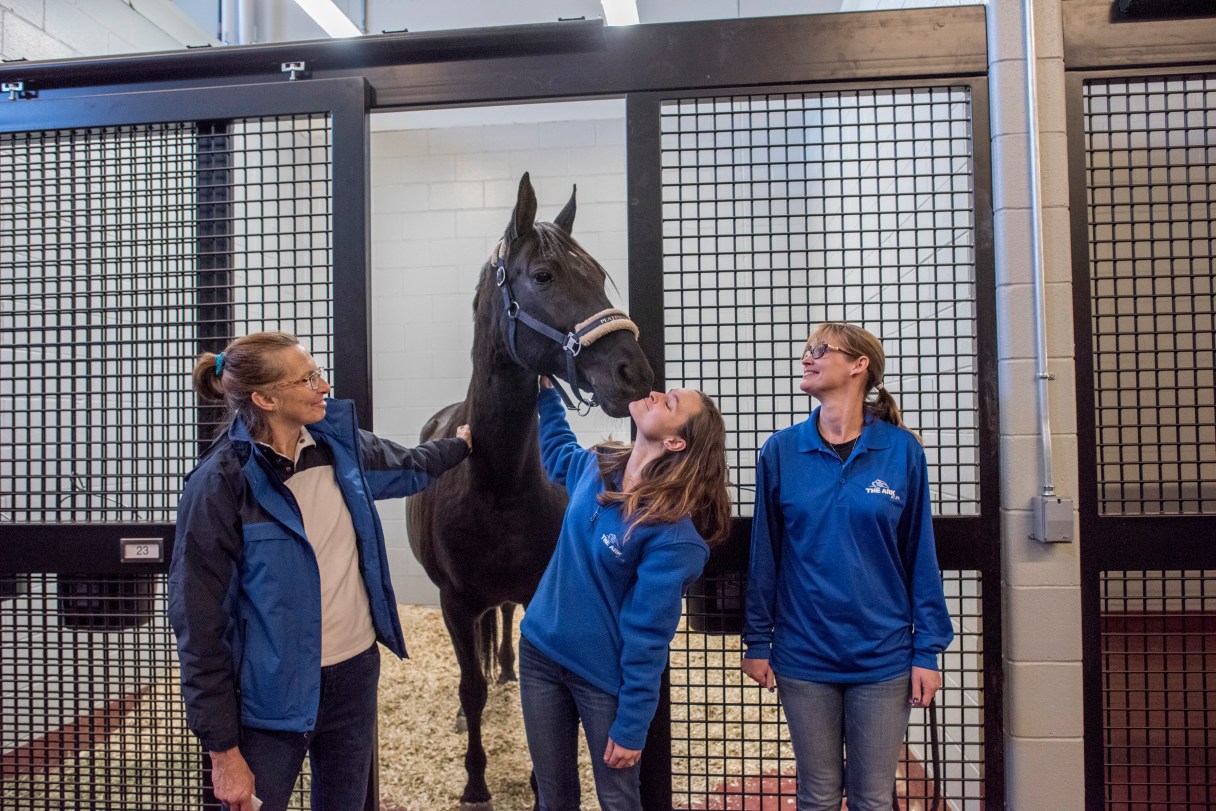
This is just as true of the Ark at JFK, the gleaming new animal transportation center at Kennedy International Airport, as it is at the human passenger terminals.
One recent sunny morning, two house cats bound for London and a Chihuahua headed to Paris waited in their pens in the Ark’s cavernous Pet Oasis, down the aisle from a pair of military explosives-sniffing dogs being redeployed to the Middle East after a stateside R&R trip.
Over in Equine Departures, four British horses fresh from a competition in Kentucky had just left to catch a flight to Belgium when a pickup truck pulled up and disgorged its cargo: 10 baby goats from central Pennsylvania. They were stopping at the Ark before resuming their journey to a dairy farm in Penza, Russia.
The goats were loaded into a pen lined with wood shavings. The men from the truck set up a nursing station and poured in buckets of milk. The goats, all of an Alpine breed sought after for its milk production, settled down to breakfast. A jet roared overhead. “They don’t really know what’s going on,” said Kris Trowbridge, a worker from the Pennsylvania farm. “We just try to keep them calm and fed.”