
Friday, November 13, 2026Nov 13

S&P: Downturn in energy production hits budgets in 6 states

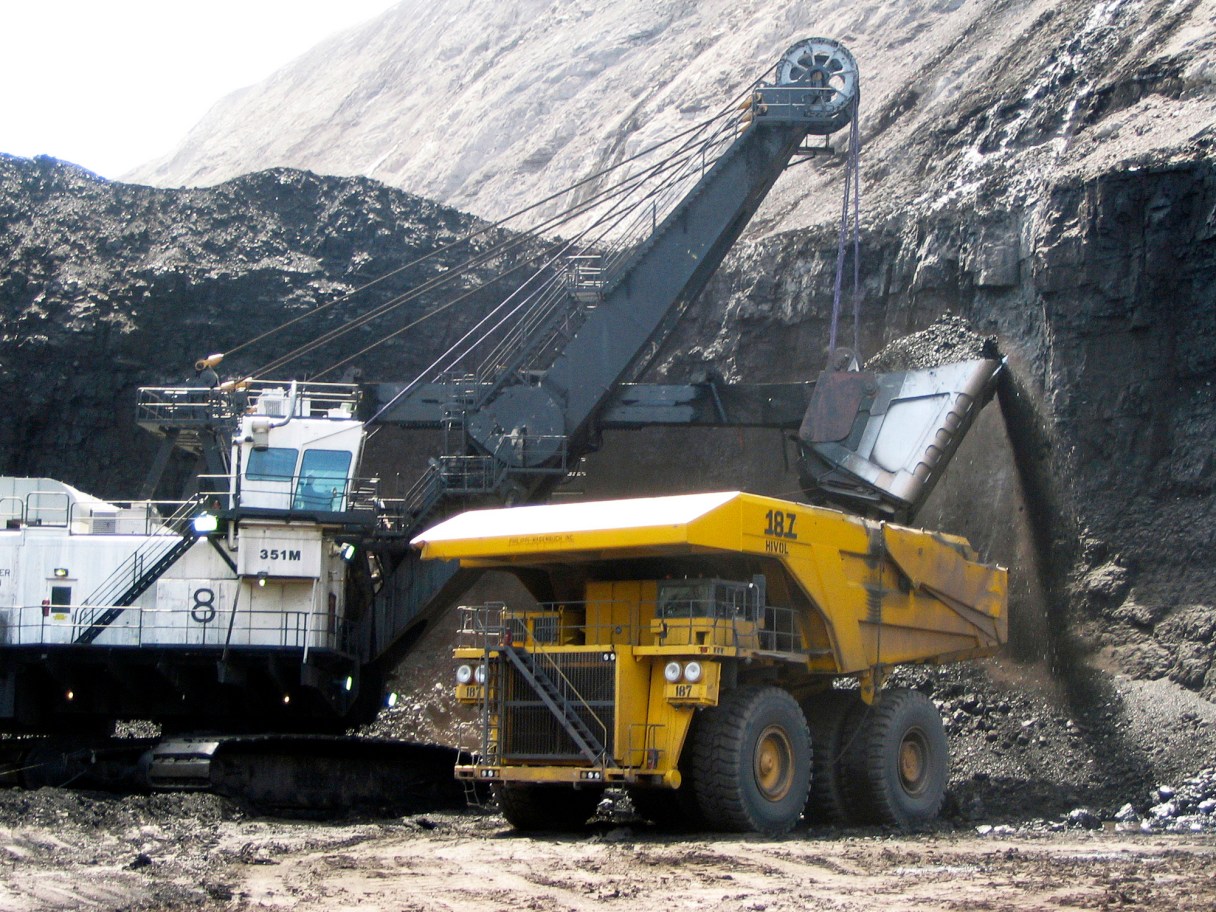
FILE - In this April 30, 2007, file photo, a shovel prepares to dump a load of coal into a 320-ton truck at the Arch Coal Inc.-owned Black Thunder mine in Wright, Wyo. Six of the country's major energy-producing states have slipped into recession after a sharp decline in production and exploration over the last 18 months caused their tax revenue to plummet, according to a financial analysis released Tuesday, Jan. 24, 2017. (AP Photo/Matthew Brown, File)
FILE - In this April 30, 2007, file photo, a shovel prepares to dump a load of coal into a 320-ton truck at the Arch Coal Inc.-owned Black Thunder mine in Wright, Wyo. Six of the country's major energy-producing states have slipped into recession after a sharp decline in production and exploration over the last 18 months caused their tax revenue to plummet, according to a financial analysis released Tuesday, Jan. 24, 2017. (AP Photo/Matthew Brown, File) FILE - In this April 30, 2007, file photo, a shovel prepares to dump a load of coal into a 320-ton truck at the Arch Coal Inc.-owned Black Thunder mine in Wright, Wyo. Six of the country's major energy-producing states have slipped into recession after a sharp decline in production and exploration over the last 18 months caused their tax revenue to plummet, according to a financial analysis released Tuesday, Jan. 24, 2017. (AP Photo/Matthew Brown, File)

Six of the country’s major energy-producing states have slipped into recession after a sharp decline in production and exploration over the last 18 months caused their tax revenue to plummet and job growth to stagnate, according to a financial analysis released Tuesday.

Alaska, Louisiana, New Mexico, North Dakota, Oklahoma and Wyoming each saw negative growth during the most recent fiscal year, according to the report from S&P Global Ratings.

“Initially, the downturn was felt in state finances,” S&P analyst Gabe Petek said. “Now this has really spread throughout their economies and highlights the risk of a concentrated economic base.”

Alaska, which has relied heavily over the years on oil revenue to fund state government, has burned through nearly $13 billion in savings over the last four years to deal with the price declines in the energy sector.

The state has closed job and public health centers, inspections of restaurants in rural areas have been done only as time permits, state prosecutors have been focused on only the most serious offenses, and the state transportation department has cut back on equipment operators. The state has cut jobs, furloughed workers and is selling search-and-rescue aircraft and ferries.