
Friday, November 6, 2026Nov 6

This story is free to read.

MTSU works with indigenous filmmakers on Amazon project

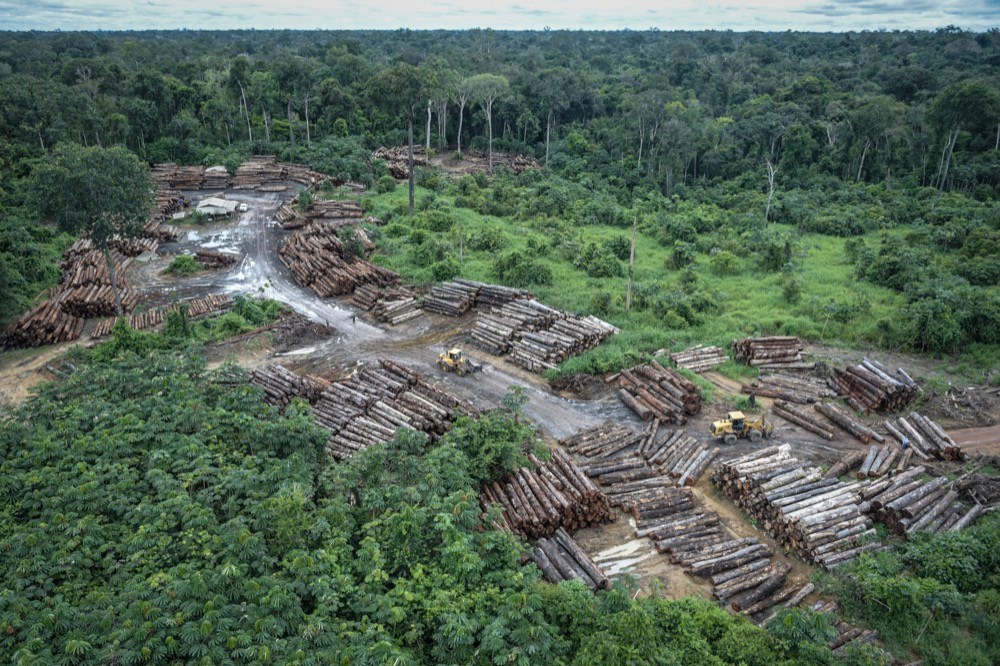
This May 8, 2018 photo released by the Brazilian Environmental and Renewable Natural Resources Institute (Ibama) shows an illegally deforested area on Pirititi indigenous lands as Ibama agents inspect Roraima state in Brazil's Amazon basin. Scientists warn that Brazil's President-elect Jair Bolsonaro could push the Amazon rainforest past its tipping point by loosening environmental protections, with severe consequences for global climate and rainfall. (Felipe Werneck/Ibama via AP)
This May 8, 2018 photo released by the Brazilian Environmental and Renewable Natural Resources Institute (Ibama) shows an illegally deforested area on Pirititi indigenous lands as Ibama agents inspect Roraima state in Brazil's Amazon basin. Scientists warn that Brazil's President-elect Jair Bolsonaro could push the Amazon rainforest past its tipping point by loosening environmental protections, with severe consequences for global climate and rainfall. (Felipe Werneck/Ibama via AP) This May 8, 2018 photo released by the Brazilian Environmental and Renewable Natural Resources Institute (Ibama) shows an illegally deforested area on Pirititi indigenous lands as Ibama agents inspect Roraima state in Brazil's Amazon basin. Scientists warn that Brazil's President-elect Jair Bolsonaro could push the Amazon rainforest past its tipping point by loosening environmental protections, with severe consequences for global climate and rainfall. (Felipe Werneck/Ibama via AP)

MURFREESBORO, Tenn. (AP) — Two professors at Middle Tennessee State University are helping indigenous filmmakers in Brazil tell the story of their efforts to save the Amazon rainforest, according to a news release from the school.

The professors previously created a film with the indigenous Kayapó people about the descent of the Star Goddess and the origin of agriculture. Then Richard Pace, with the Department of Sociology and Anthropology, helped write a grant request for National Geographic, according to the release.

That resulted in about $70,000 in funding for Kayapó filmmaker Pat-i and his colleagues for a project called “Indigenous Filmmaker Warriors in Defense of Biocultural Conservation.” It will consist of two short films and a film series for social media that will document the struggles of the Kayapó to protect the rainforest, according to the release.

Paul Chilsen, associate professor of video and film production at MTSU’s Department of Media Arts, is also involved in the project. He hopes to travel to Brazil this summer to conduct workshops in writing for film, operating cameras, designing sets and costumes, and acting.

“They want to speak to an outside world in a language that the outside world understands,” Chilsen said in the news release. “The language of the screen is a global language.”