
In the early 1970s, baby boomers witnessed the dawn of a new Chattanooga. Thanks to environmental efforts, the industrial smog began to lift from the city deemed the most polluted in America just a few years prior. The surrounding mountains glowed green once again, giving locals a new sense of community pride and, consequently, reasons to invest in their city.
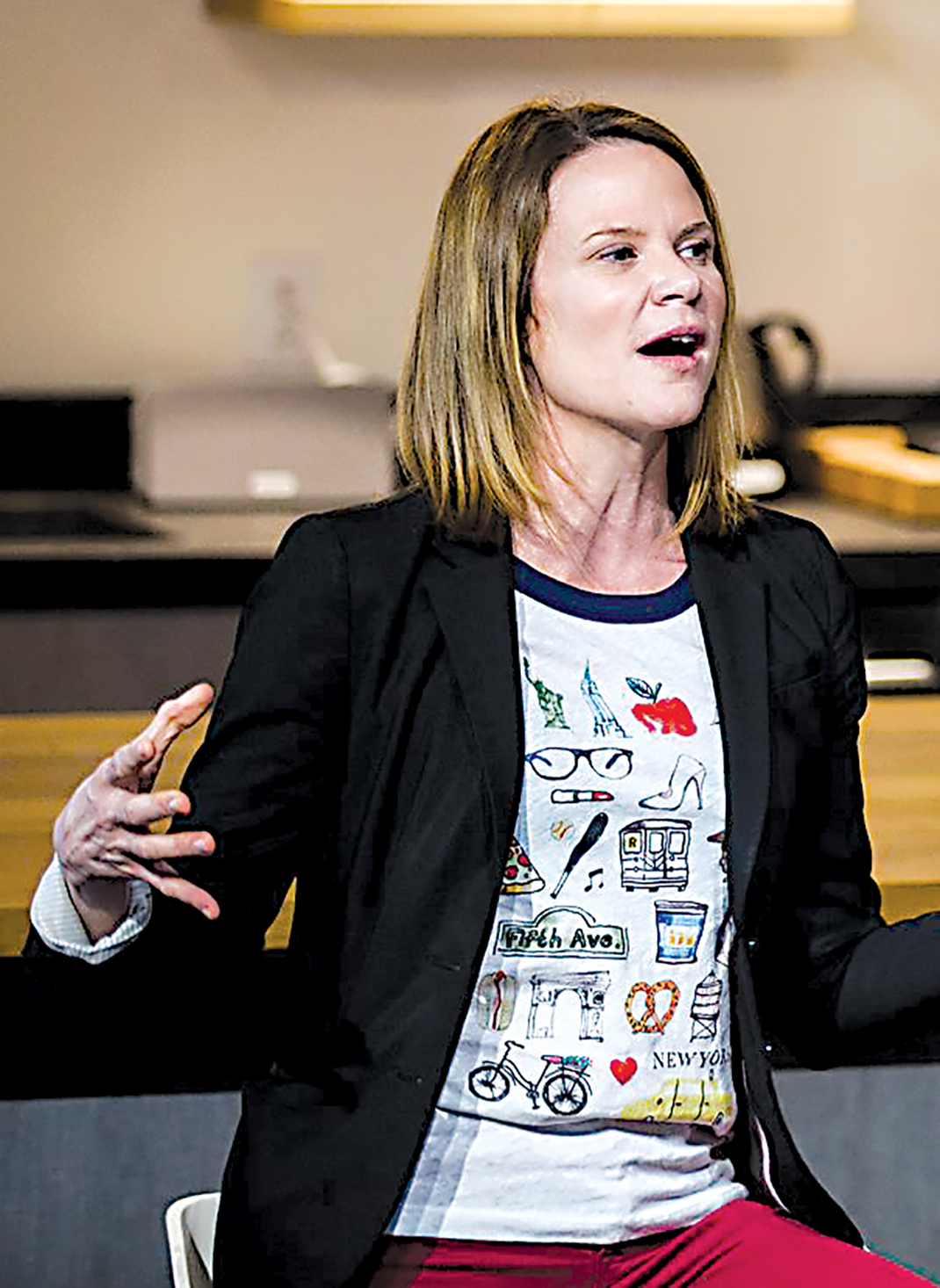 Maeghan Jones
“Millennials weren’t part of that turnaround story,” says Maeghan Jones, CEO and president of the Community Foundation of Greater Chattanooga, a publicly supported charity with the goal of building permanent, sustainable funds for the public benefit. Millennials, Jones says, value the city for different reasons, such as its natural beauty, cutting-edge technology and potential for startup companies.
Both locally and nationally, the way millennials see the world is unique, and that is changing the way nonprofits think about fundraising. With more than 75 million millennials alive today, those born between 1981 and 1997 make up the largest living generation.
If organizations can connect to these potential donors, they stand to gain more than ever before – $30 trillion, to be exact, the estimated amount of money that up-and-coming generation will inherit from their baby boomer parents over the next 40-50 years.
In the early 1970s, baby boomers witnessed the dawn of a new Chattanooga. Thanks to environmental efforts, the industrial smog began to lift from the city deemed the most polluted in America just a few years prior. The surrounding mountains glowed green once again, giving locals a new sense of community pride and, consequently, reasons to invest in their city.