
Monday, November 16, 2026Nov 16

A look at what Colombia’s peace deal may mean

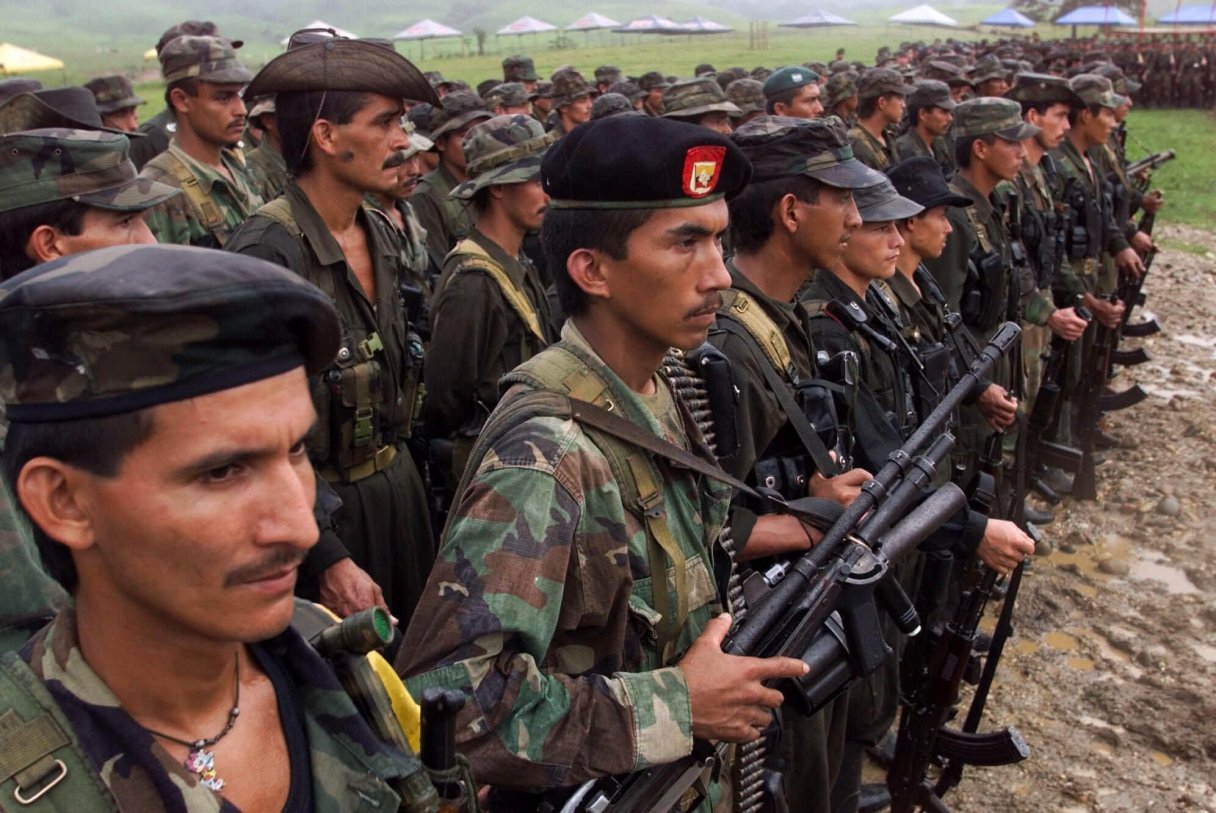
FILE - In this April 28, 2000, file photo, Revolutionary Armed Forces of Colombia, FARC, rebels stand in formation during a practice ceremony for the Boliviarian Movement, a new clandestine political party for the rebels, outside of San Vicente del Caguan in the FARC controlled zone of Colombia. Colombians fear that the peace following the new Nov. 24, 2016 accord, could trigger more bloodshed, as it did following a previous peace process with the FARC in the 1980s when thousands of former guerrillas, labor activists and communist militants were gunned down by right-wing militias, sometimes in collaboration with state agents. (AP Photo/Scott Dalton, File)

BOGOTA, Colombia (AP) – Colombia’s President Juan Manuel Santos is signing, for the second time in under two months, a historic peace accord with leftist rebels. The original accord was defeated in a referendum. Here’s a look at how we got here and what lies ahead:

___

REFERENDUM LOSS

President Santos signed an initial peace accord with the Revolutionary Armed Forces of Colombia on Sept. 26 in an elaborate ceremony attended by several heads of state, but voters rejected the deal a week later in a referendum by a razor-thin margin of just 57,000 out of 13 million ballots cast. The defeat came as shock as opinion polls had predicted the “yes” vote would win by an almost two-to-one margin.

___