
Monday, November 16, 2026Nov 16

Cruz adds to GOP divide on how best to overhaul tax system

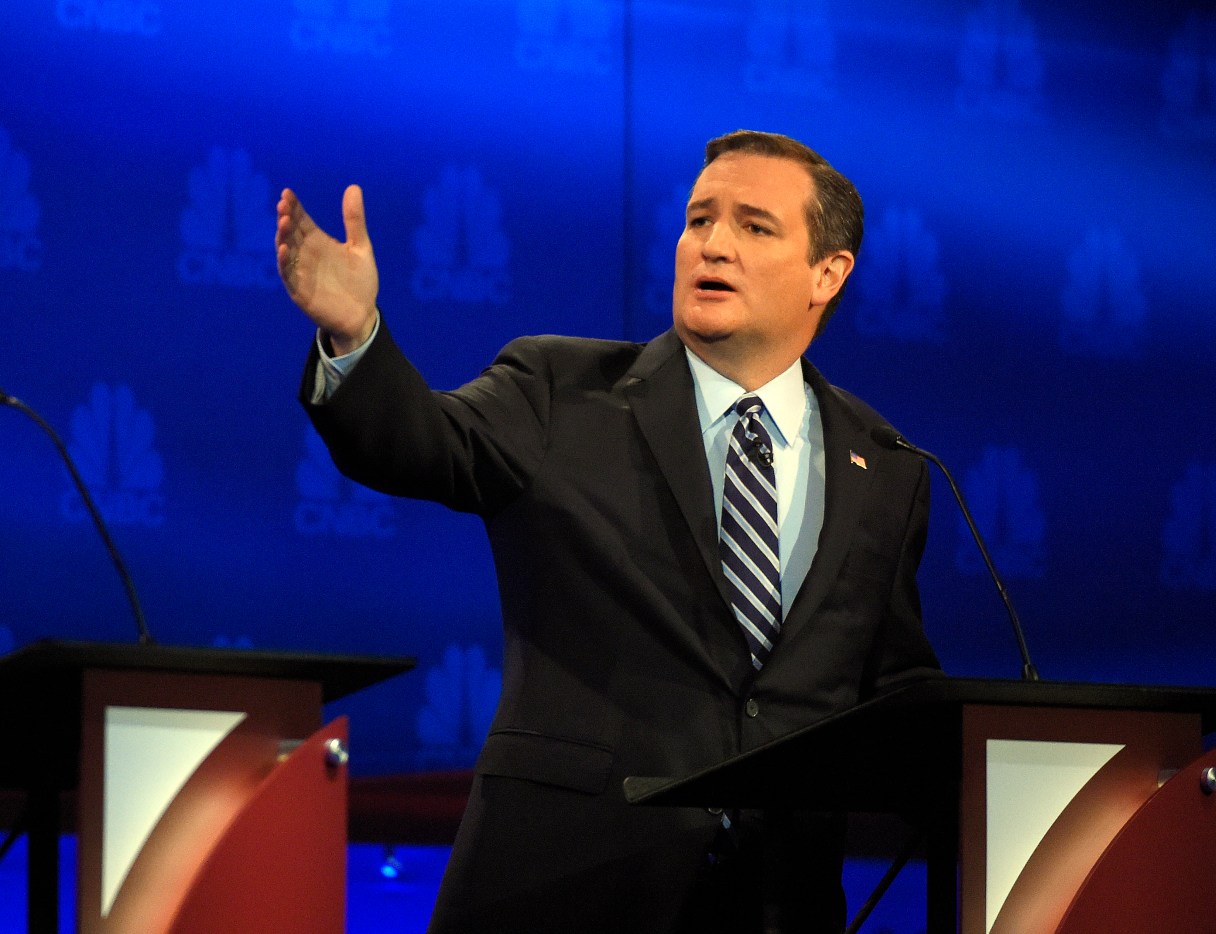
In this Oct. 28, 2015, photo, Republican presidential candidate Sen. Ted Cruz, r-Texas, talks about the mainstream media during the CNBC Republican presidential debate at the University of Colorado in Boulder, Colo. Cruz says the U.S. adopt a European-style value added tax, adding to a division in the Republican presidential field. Some simply want to cut existing tax rates. But Cruz is among those who suggests scrapping the nation’s tax code entirely and starting from scratch.  (AP Photo/Mark J. Terrill)
In this Oct. 28, 2015, photo, Republican presidential candidate Sen. Ted Cruz, r-Texas, talks about the mainstream media during the CNBC Republican presidential debate at the University of Colorado in Boulder, Colo. Cruz says the U.S. adopt a European-style value added tax, adding to a division in the Republican presidential field. Some simply want to cut existing tax rates. But Cruz is among those who suggests scrapping the nation’s tax code entirely and starting from scratch. (AP Photo/Mark J. Terrill)

DENVER (AP) – In proposing the U.S. adopt a flat tax coupled with a levy similar to a European-style value added tax, Texas Sen. Ted Cruz is contributing to a division in the Republican presidential field.

Some simply want to cut existing rates. But others – Cruz among them – suggest scrapping the nation’s tax code entirely and starting over from scratch.

All the tax plans released by the Republican candidates to date would starkly reduce the amount of money Americans and U.S. businesses pay in taxes, with experts – including those who support them – predicting they would balloon the nation’s debt by trillions of dollars over the next decade.

While all people of all incomes would generally pay less in federal taxes in every plan, the benefits skew largely toward the wealthy.

But the candidates, who say the proposals would jump-start economic growth, get there in very different ways. Donald Trump, Marco Rubio and Jeb Bush have all proposed cuts and consolidation of existing tax rates, maintaining a tax code that collects a larger share of income from taxpayers as it rises.