
NEW YORK (AP) – Five Americans came down with an unusual illness after traveling to Germany for a controversial treatment involving injections with sheep cells, health officials reported Wednesday.
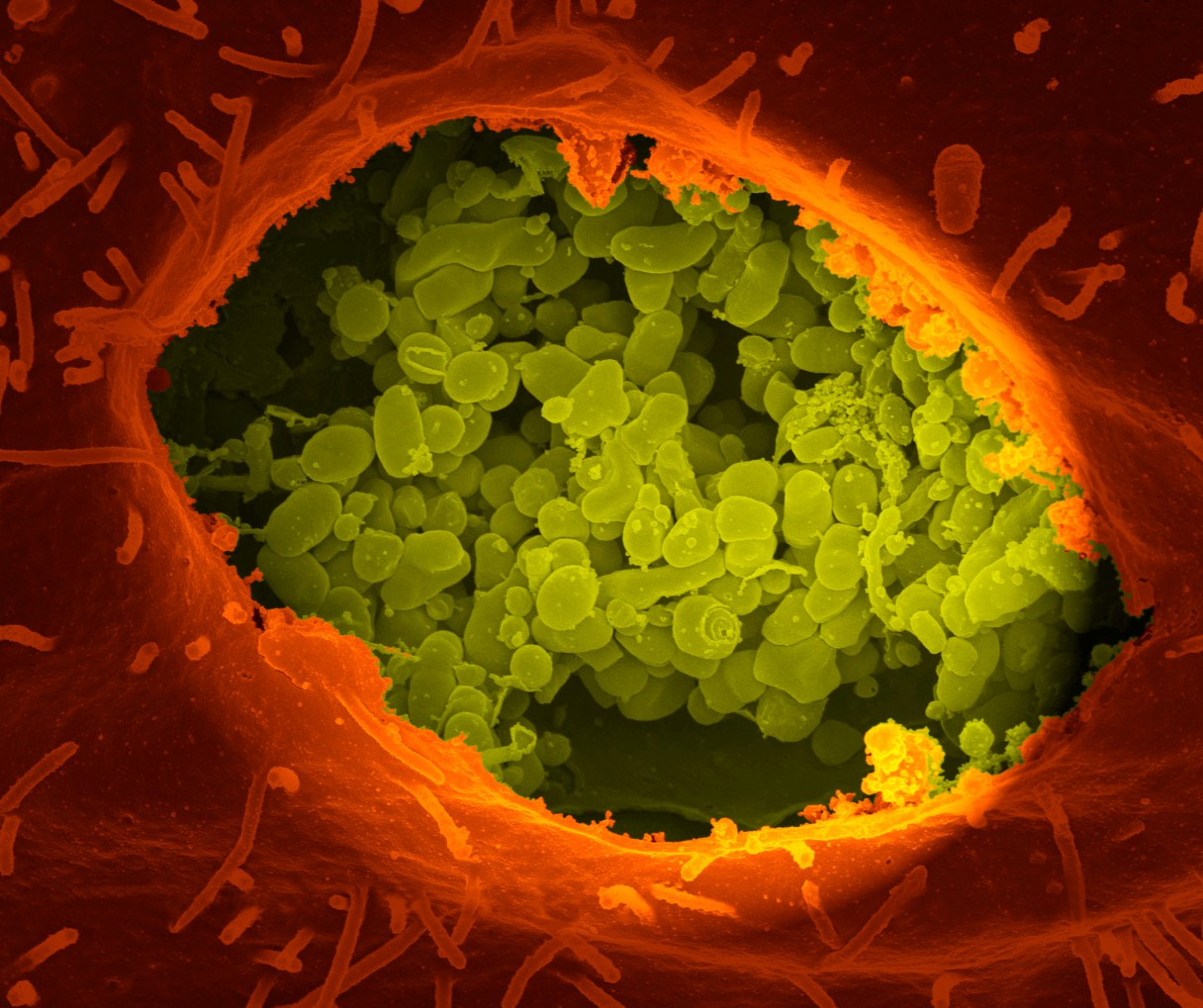
The treatment is not permitted in the United States. The five New York residents received the “live cell therapy” in May last year. About a week later, they developed fever, fatigue and other symptoms of a dangerous bacterial illness called Q fever.
Two told investigators that they were part of a group that, for the last five years, had traveled to Germany twice a year for the injections. They said they get them to improve their health and vitality. There is no published clinical proof the treatments work, health officials say.
The Centers for Disease Control and Prevention on Wednesday released a report on the outbreak, which included a Canadian case – another medical tourist who got the treatment in Germany at about the same time. The four women and two men ranged in age from 59 to 83.
Three of the six recovered. But three others were still experiencing symptoms more than nine months later, health officials said.