
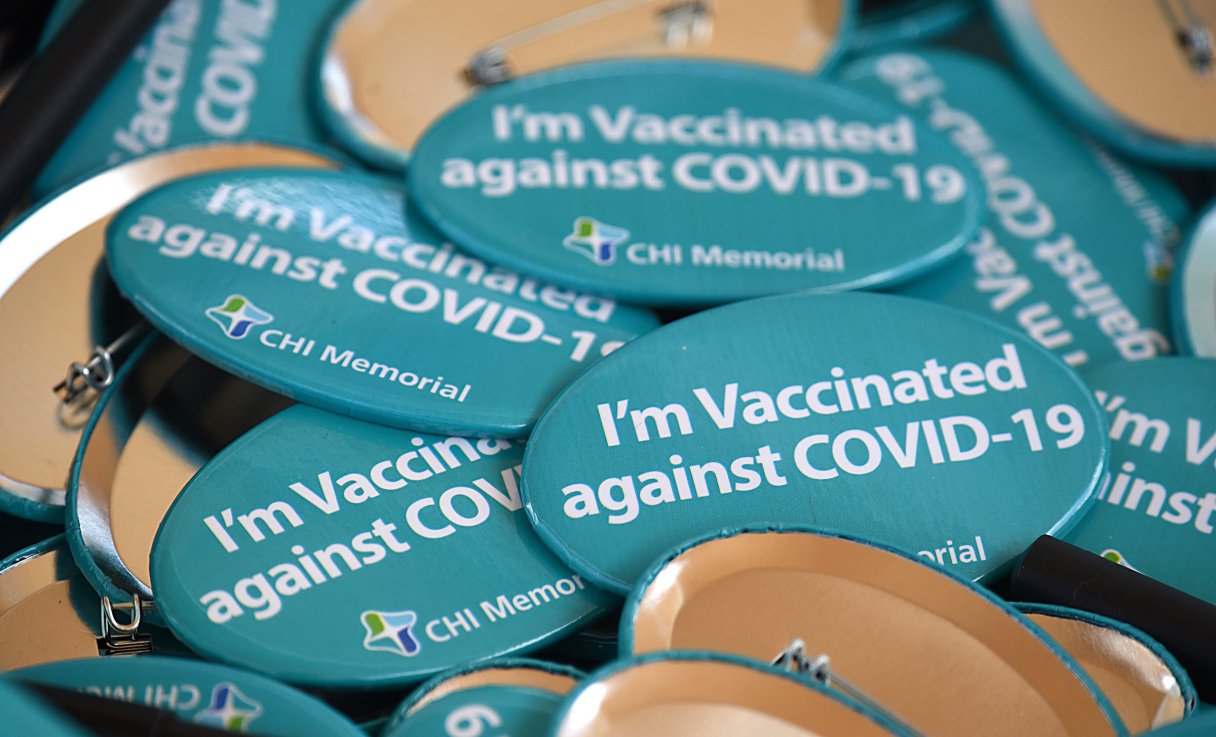
In the early days of the spring rollout of the COVID-19 vaccine, the challenges were largely logistical: Getting the vaccines where they needed to go, and administering them to thousands of people eager to have the shots.
“At the beginning, we started one of our pods where initially the first day we opened, we gave about 1,000-plus vaccines and people waited in line for hours,” says Dr. Fernando Urrego, interim Hamilton County health officer. “It was bumper-to-bumper, and we had the highest risk group there – we had senior citizens waiting in cars for hours. There was a big learning curve and a lot of growing pains at the beginning.”
Now, however, the challenges are even more complex, he says.
“We were doing big days in terms of vaccine numbers and then it was almost like a light switch turned off,” Urrego says. “The real challenge now are the people that are vaccine-resistant. It doesn’t matter what you tell them, it doesn’t matter how you frame the reality of what the science is, they are going to be a group that is very difficult to reach.”
Tight collaboration across health care providers and community groups has been key to the COVID-19 response from the beginning of the crisis, but efforts to reach the unvaccinated have inspired a new level of coordinated effort, Urrego says.