
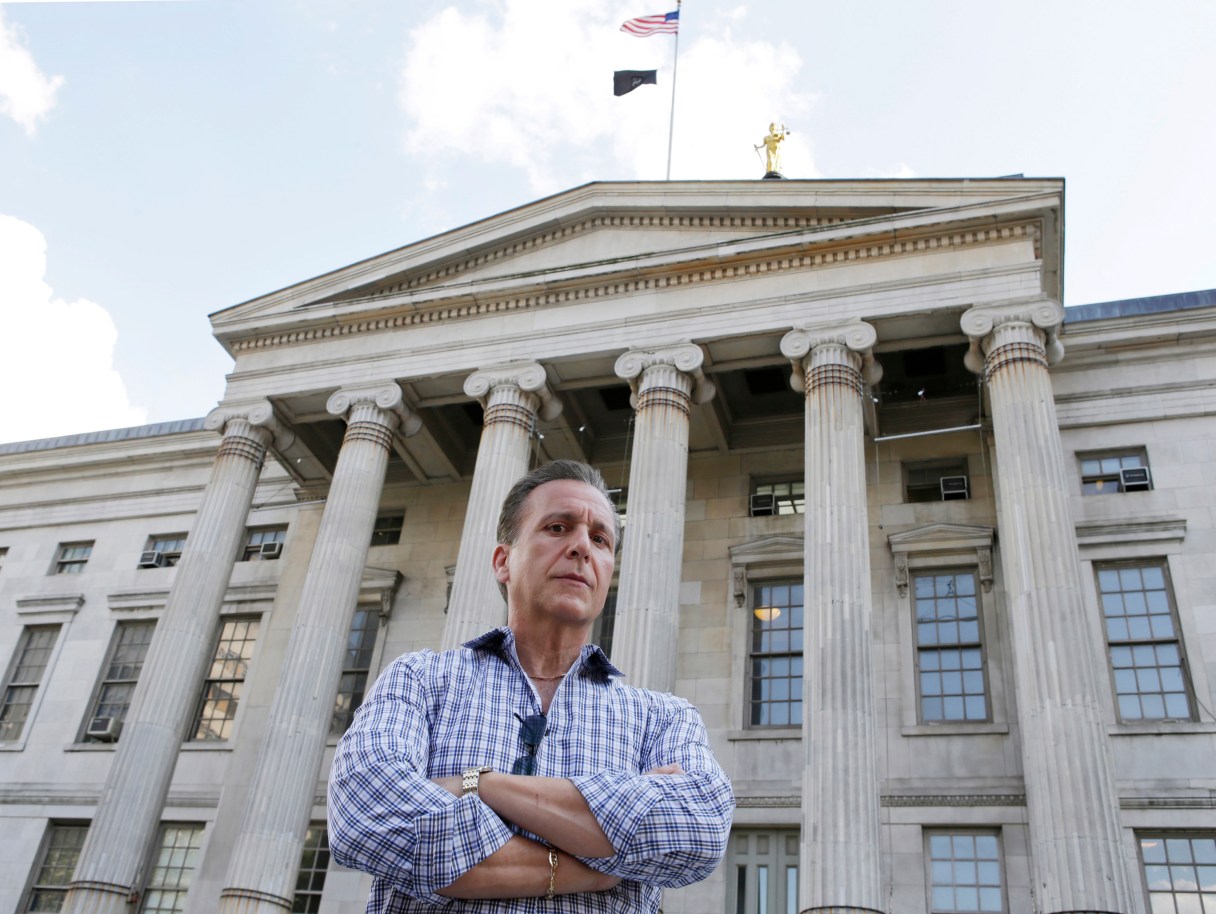
NEW YORK (AP) – Years ago as a young prosecutor, Preet Bharara was driving in New York City’s Little Italy with a dogged investigator named Ken McCabe, who suddenly recognized some mobsters, rolled down his window and surprised them by addressing them by their Mafia nicknames.
In the U.S. attorney’s office in lower Manhattan, which Bharara now leads, there hangs a memorial plaque to McCabe, who died in 2006, honoring the federal investigator who was a key part of the government’s most significant Mafia prosecutions – and whose job as an in-house investigator is one of law enforcement’s most unsung roles.
“They have steel-trap minds,” Bharara said of the New York City lawmen like McCabe who work not for police or the FBI but directly for prosecutors. “And they don’t get a lot of attention.”
But some of New York’s most prominent recent criminal cases – from public corruption indictments, wrongful conviction exonerations and even terrorism arrests – can be traced back to an elite crew of little-known sleuths who work directly for state district attorneys and federal prosecutors.
“They’re invaluable in proactive investigations,” said Robert Morgenthau, who, as the U.S. attorney in Manhattan in the 1960s, hired criminal investigators to the office for the first time. Then, as Manhattan’s longest-serving district attorney, he increased the number of district attorney investigators, called DIs, from about 20 to more than 80 over three decades.