
STEPS TO BECOMING A SAINT
Request for CanonizationAt least five years after a person’s death (unless a special exception is made by the Pope), a formal request is made to consider the person for sainthood. Those making the request are usually from the candidate’s church or religious community. They submit their request to the bishop of the diocese in which the person died.The request details how the person lived a life of holiness and lists reasons for considering sainthood. If the bishop believes there is enough evidence, he asks the Vatican for permission to open a special tribunal. Witnesses are called to attest to the candidate’s goodness, holiness, devotion to God and other virtues. If a person passes this step, he or she is named a “Servant of God.”DeterminationIn the next step, the bishop sends a formal report and request to the Vatican, where it is reviewed by the Congregation for the Causes of the Saints. Nine theologians read the material on the candidate and determine whether there is enough cause to pass it to the entire congregation. If so, the candidate’s writings and other aspects of his or her life are studied to make sure there is nothing that goes against the teachings and practices of the church.To make sure the final decision is complete and fair, a person called a “devil’s advocate” raises questions and objections to the candidate’s sainthood. Once a candidate has been determined to be virtuous and heroic in his or her faith, they’re declared “Venerable.”BeatificationIn step three, if a candidate is considered a martyr — someone who died for their faith — he or she may be beatified and named “Blessed.” If the martyr designation isn’t granted, the focus turns to whether a miracle brought about by the intercession of the candidate has occurred and verified by the Congregation for the Causes of the Saints. Once the person is beatified and named “Blessed,” he or she can be venerated, or officially honored, in his or her city, diocese, region or religious community.CanonizationAfter being beatified, another miracle is required for the person to be canonized and officially declared a saint. Once again, the miracle must have occurred as a result of the candidate’s intercession. The Prefect of the Congregation then sends the cause for canonization to the Pope, who makes the final decision. Once a person is canonized, they are officially declared a “Saint” at a special mass in their honor.— Source: www.SadlierWeBelieveBlog.com
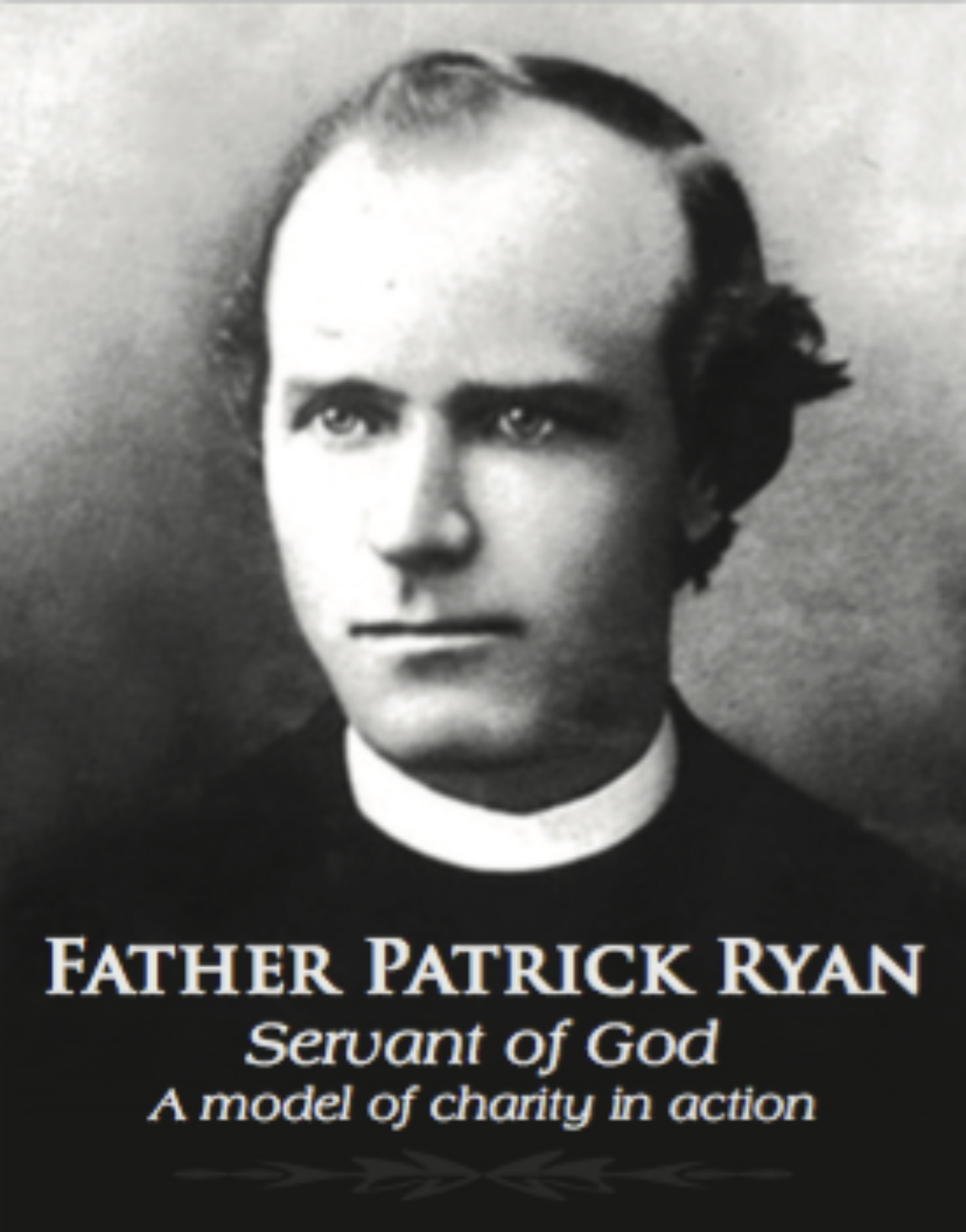
Father Ryan Servant of God Prayer
“Heavenly Father, through the intercession of the Servant of God, Patrick Ryan, may I be granted the favor I seek … I ask this in the name of Jesus, Your Son who lives and reigns with You and the Holy Spirit, on God forever and ever, Amen.”
In 1878, Chattanooga was besieged by a yellow fever epidemic. Most residents of the city, minus the 366 who died and the ones infected by the disease, left during the epidemic period.
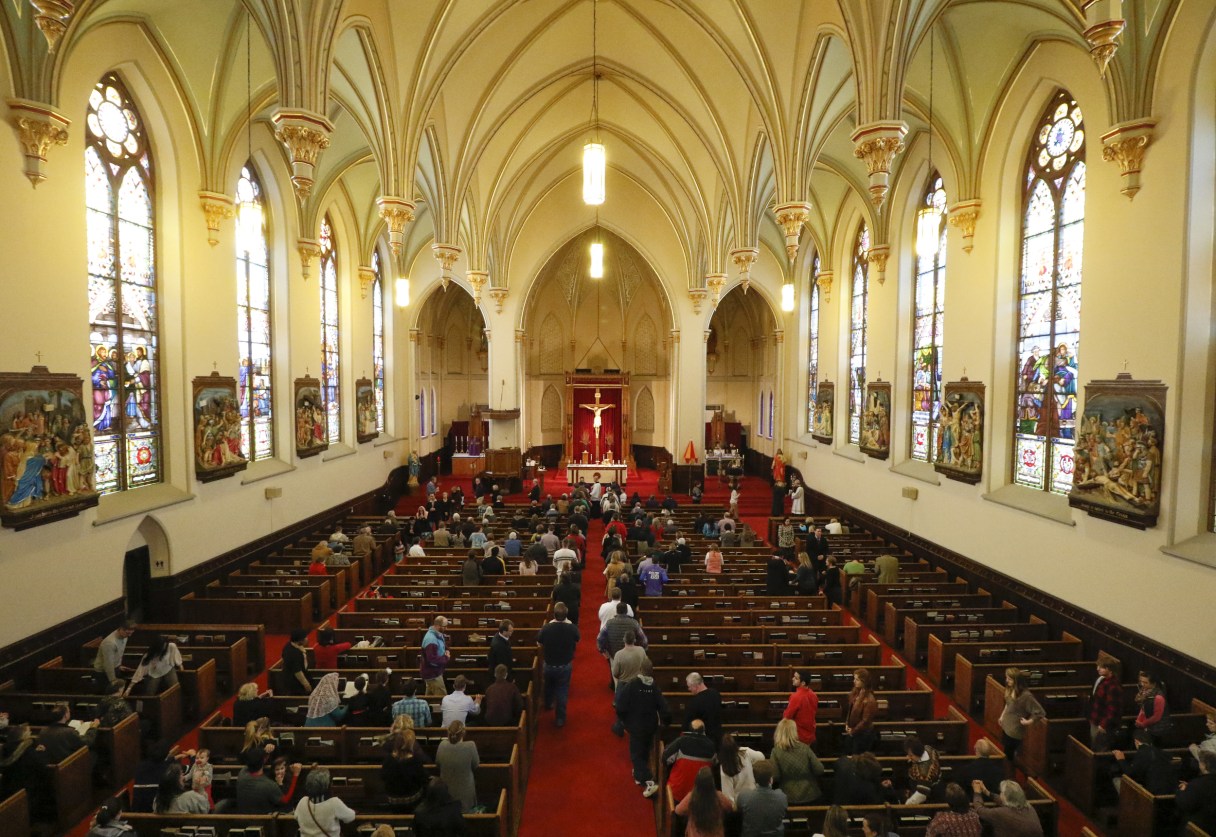
Among the nearly 1,800 who stayed was a Catholic priest assigned to Sts. Peter and Paul – Father Patrick J. Ryan.
He stayed to tend to the sick and dying and eventually was bitten by a mosquito that carried the disease. Only 33 years old, he died on Sept. 28, 1878, two days after first showing symptoms. He was buried on the grounds of the then-small church on Lindsay Street. The current basilica on Eighth Street was dedicated in 1890.