
Friday, October 30, 2026Oct 30

This story is free to read.

Winsett: How to be more secure with your ID

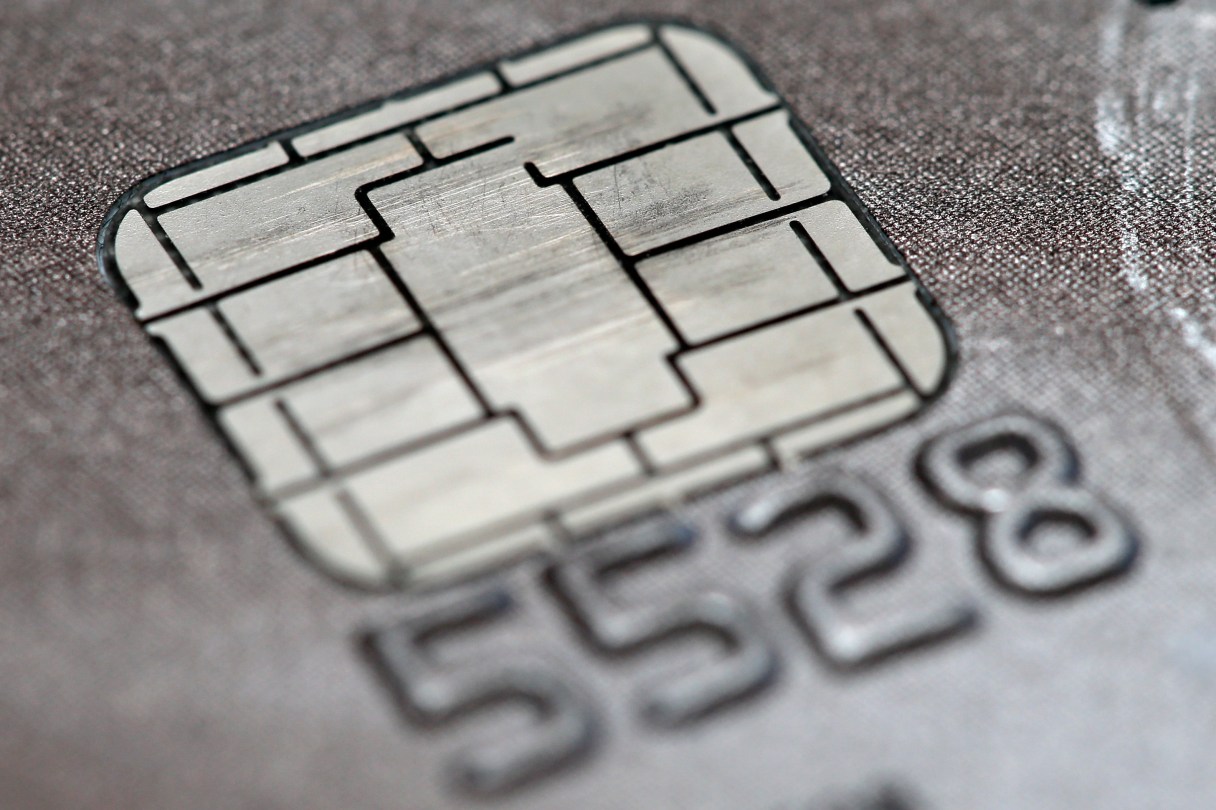
FILE -This June 10, 2015 photo shows a chip credit card in Philadelphia.   Visa says its improving its smart chip-embedded cards, which have been the source of grumbling from businesses and customers forced to wait for transactions to go through. The company said Tuesday, April 19, 2016 that Quick Chip for EMV will let customers dip and remove cards, usually in two seconds or less, without waiting for purchases to be finalized. (AP Photo/Matt Rourke)
FILE -This June 10, 2015 photo shows a chip credit card in Philadelphia. Visa says its improving its smart chip-embedded cards, which have been the source of grumbling from businesses and customers forced to wait for transactions to go through. The company said Tuesday, April 19, 2016 that Quick Chip for EMV will let customers dip and remove cards, usually in two seconds or less, without waiting for purchases to be finalized. (AP Photo/Matt Rourke) FILE -This June 10, 2015 photo shows a chip credit card in Philadelphia. Visa says its improving its smart chip-embedded cards, which have been the source of grumbling from businesses and customers forced to wait for transactions to go through. The company said Tuesday, April 19, 2016 that Quick Chip for EMV will let customers dip and remove cards, usually in two seconds or less, without waiting for purchases to be finalized. (AP Photo/Matt Rourke)

Q. What action, individually, may I take to protect personal and financial information?

A. Jan. 28 was “Data Privacy Day,” sponsored by the National Cyber Security Alliance. The signature event on this day is a greater privacy awareness and education effort highlighting that consumers own their online presence and showsing organizations how privacy is good for business.

To your question, here at the beginning of the New Year, it is the perfect time to resolve to take proactive steps to ensure the privacy of your personal and financial information. BBB offers some simple tips to help consumers stay secure in 2017.

Even this week, BBB has encountered a high level of scam activity based on a caller with the question “Can You Hear Me”? The goal is to get you to answer “Yes.” In turn, the fraudster is recording your conversation and that “Yes” answer later may be edited to make it sound like you authorized a major purchase. Simply hang up the telephone if you receive this type of call. Make a note of the number and report it to bbb.org/scamtracker to help warn others.

These are basic things people can do to limit their exposure to potential fraud and schemes. Any steps a person takes to reduce that risk may save them in terms of privacy and potential fraud.