
Monday, November 16, 2026Nov 16

Indigenous Bolivians have some of the healthiest hearts

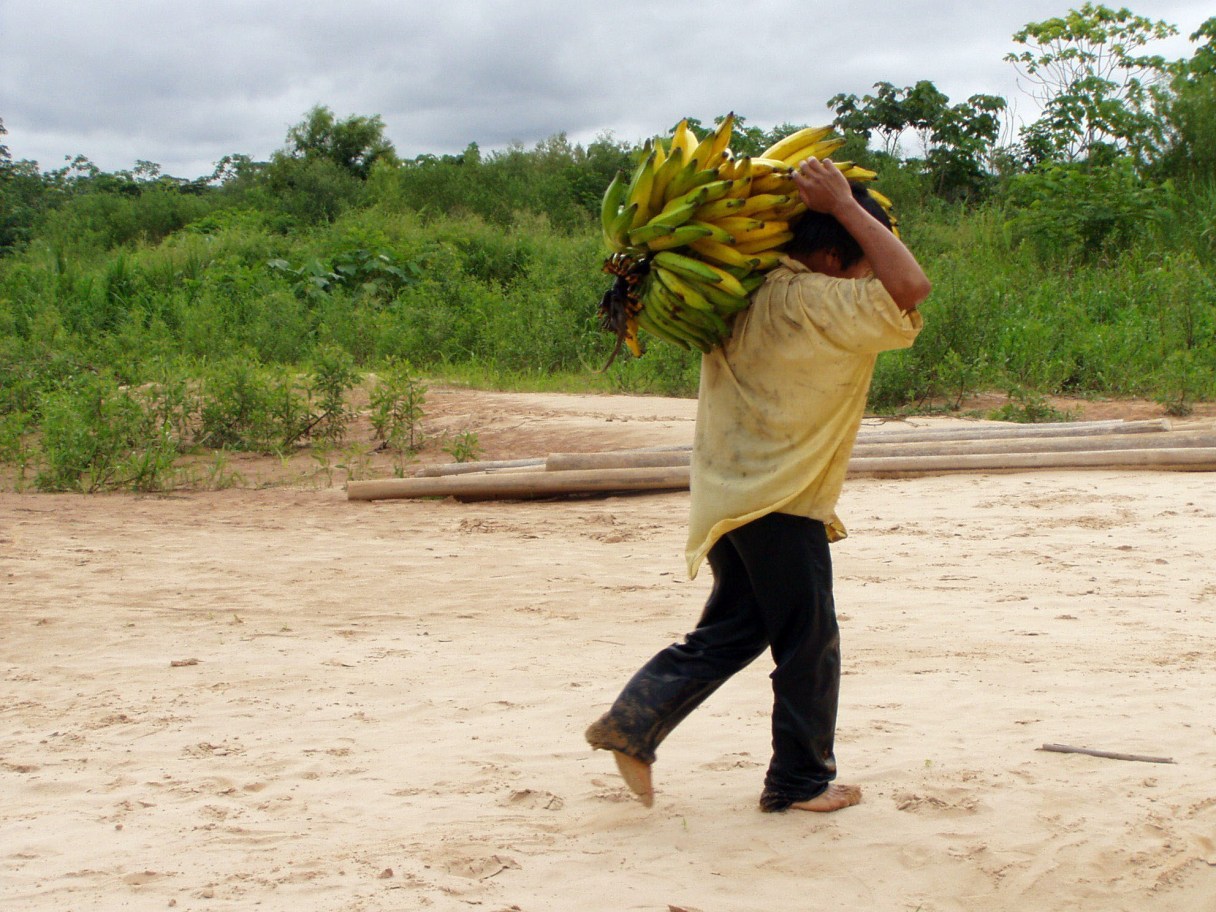
A Tsimane man carried bananas, among a group of indigenous people with a traditional lifestyle deep in the Bolivian Amazon, and according to a new study released Friday March 17, 2017, they have some of the healthiest hearts on the planet, according to Dr. Randall Thompson, a cardiologist at St. Luke’s Health System in Kansas City, Missouri, USA.  Scientists say the new findings underline the significance of lowering the traditional risk factors for heart disease, and like the Tsimane people, we should be physically active and have a low fat, low sugar diet. (Michael Gurven/St. Luke’s Health System Kansas City via AP)
A Tsimane man carried bananas, among a group of indigenous people with a traditional lifestyle deep in the Bolivian Amazon, and according to a new study released Friday March 17, 2017, they have some of the healthiest hearts on the planet, according to Dr. Randall Thompson, a cardiologist at St. Luke’s Health System in Kansas City, Missouri, USA. Scientists say the new findings underline the significance of lowering the traditional risk factors for heart disease, and like the Tsimane people, we should be physically active and have a low fat, low sugar diet. (Michael Gurven/St. Luke’s Health System Kansas City via AP)

LONDON (AP) – Deep in the Bolivian Amazon lives a group of indigenous people who spend their days hunting and farming. Researchers say this may be partly why they have some of the healthiest hearts on the planet.

The Tsimane, a society of hunter-gatherers, have the lowest-ever recorded levels of clogged arteries among any population studied, new research found.

Scientists say the finding points to the importance of reducing risk factors for heart disease: The Tsimane are physically active – exercising for about four to seven hours every day – and their diet is low in fat and sugar. They also don’t smoke or drink often.

“The average middle-aged Tsimane has arteries that are about 28 years younger than those of Westerners,” said Dr. Randall Thompson, a cardiologist at St. Luke’s Health System in Kansas City, Missouri, who helped lead the new work.

The study was published online Friday in the journal Lancet and presented at a meeting of the American College of Cardiology.