
More Info
Keep pets safe› Never leave an animal in a parked car under any circumstances. High temperatures can cause organ damage and even death.› Be aware of humidity levels. If high enough, animals will not be able to cool themselves off.› Provide your pet with protection from the sun that allows for airflow, like tree shade or tarps. Doghouses make the heat worse.› Keep animals hydrated with cold water, whether indoors or outdoors, and add ice during heatwaves.› Limit the amount of exercise your pet receives in hot weather and try to schedule it for the early morning or evening hours.› Prevent overheating by using cooling mats, body wraps or vests that can be soaked in water to stay cool for days.› Watch out for signs of heatstroke, which include rapid heartbeat, heavy panting, excessive thirst, dark red or purple tongue, dizziness, glazed eyes and unconsciousness.› Treat an animal with heatstroke by moving them to a shady, breathable area, applying cold towels or ice packs to their chest, head and neck, and running cool (not cold) water over their body. Allow them to drink small amounts of water or lick ice cubes. Take them directly to a veterinarian since consequences of heat stroke may not be visible for hours or even days.Sources: The Humane Society, American Red Cross
As two jaguars work to devour their chicken ice treats, Stacy Leberdee, general curator at the Chattanooga Zoo, feels comforted that the animals are staying cool as hot weather continues to roll into the Chattanooga area.
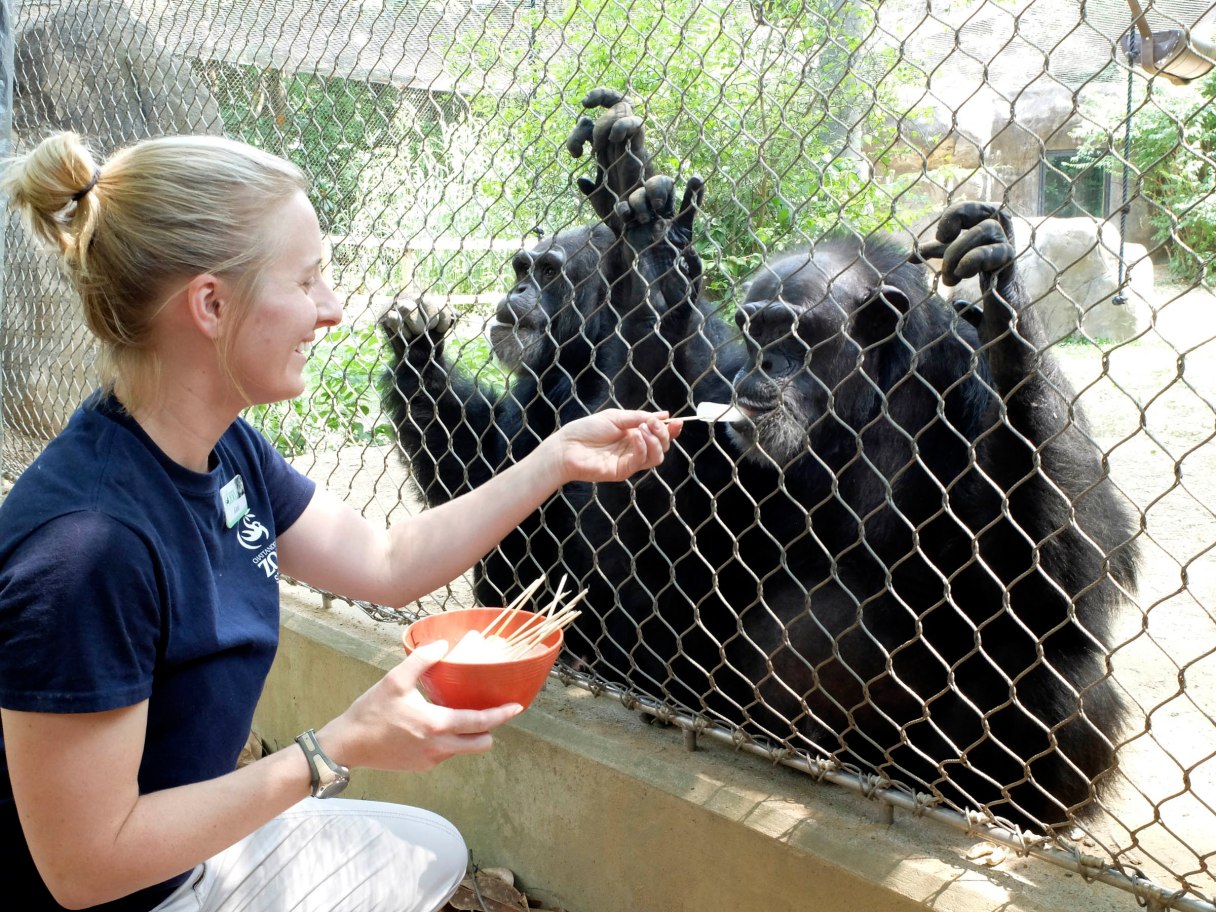
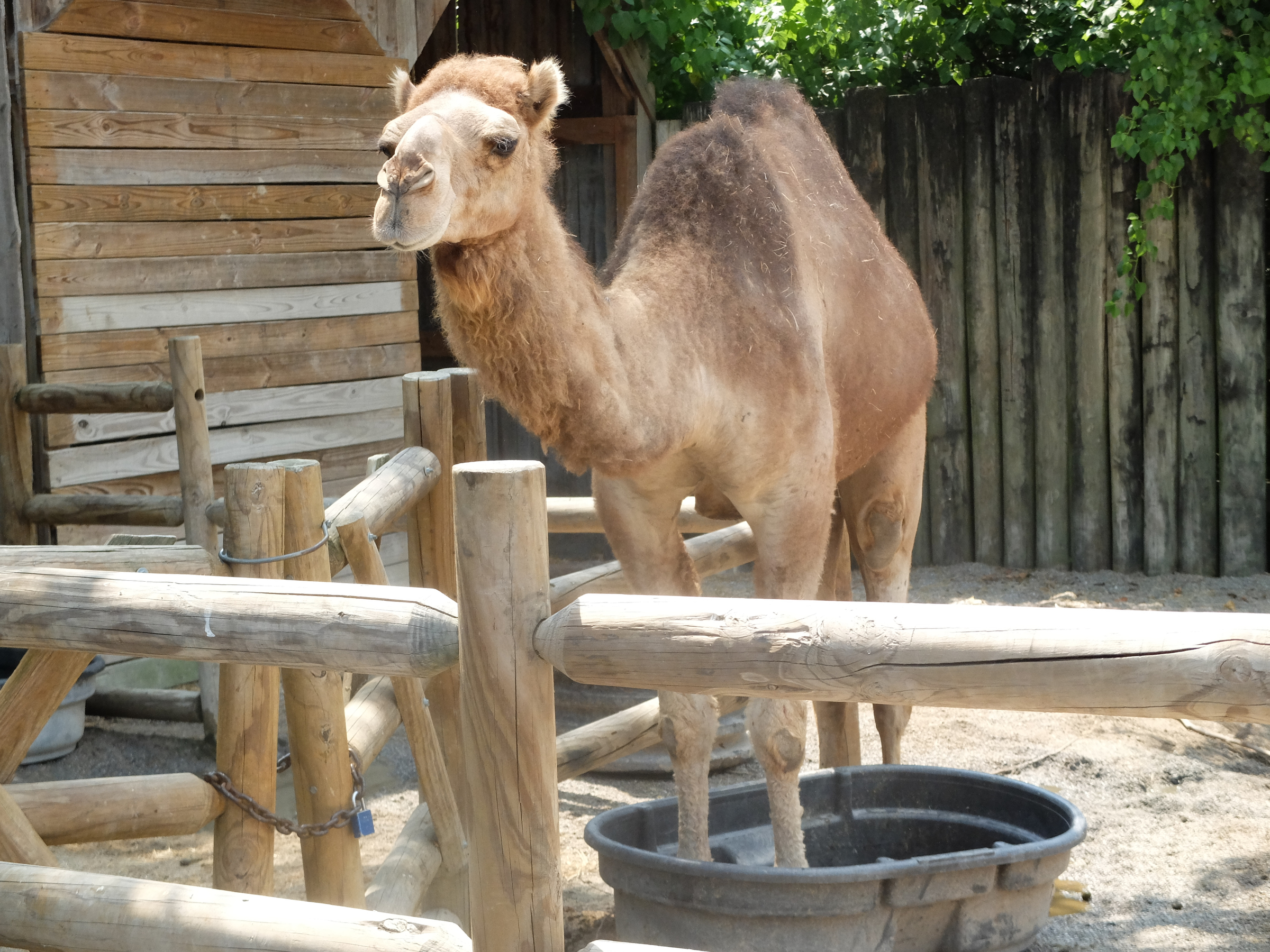
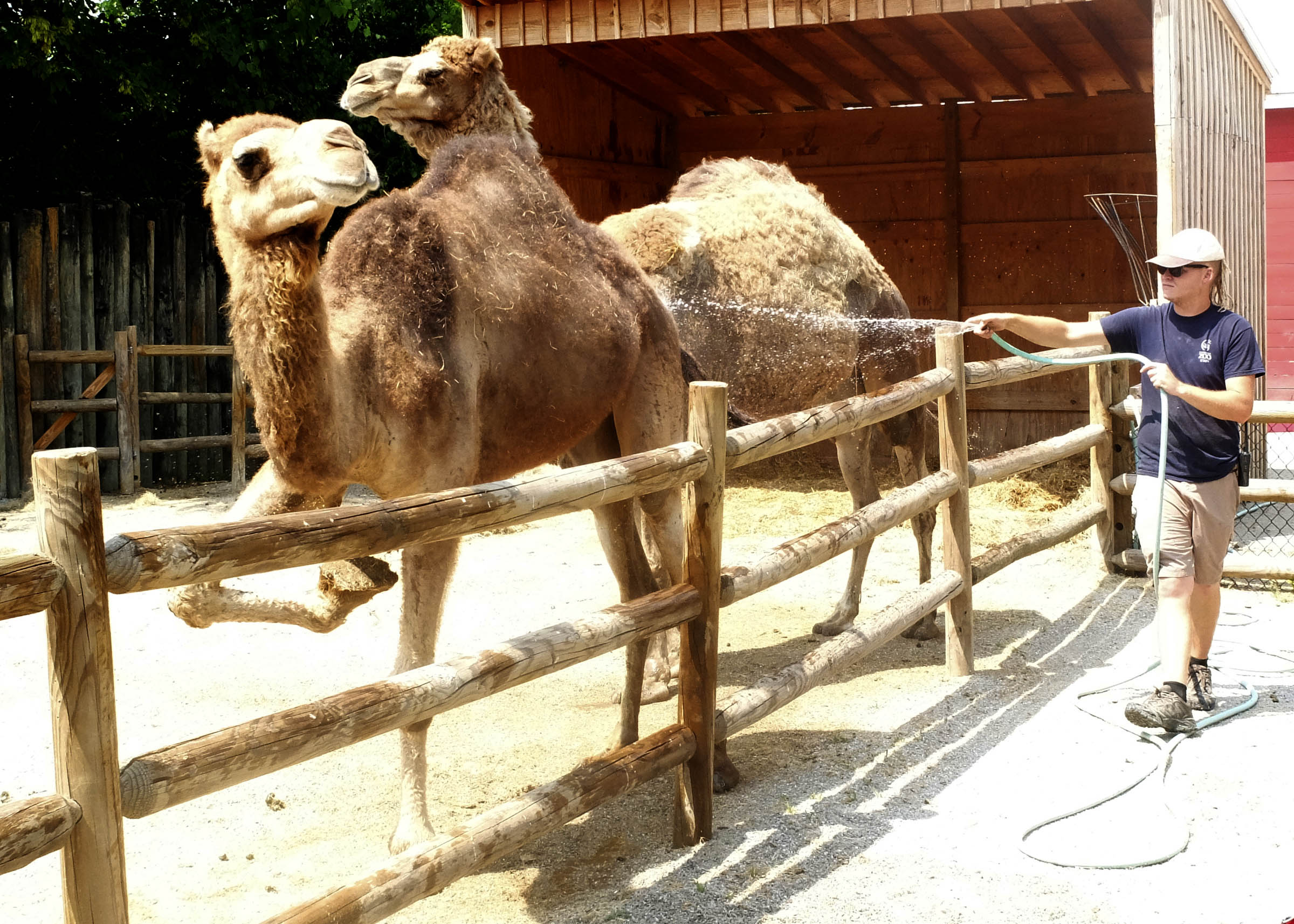
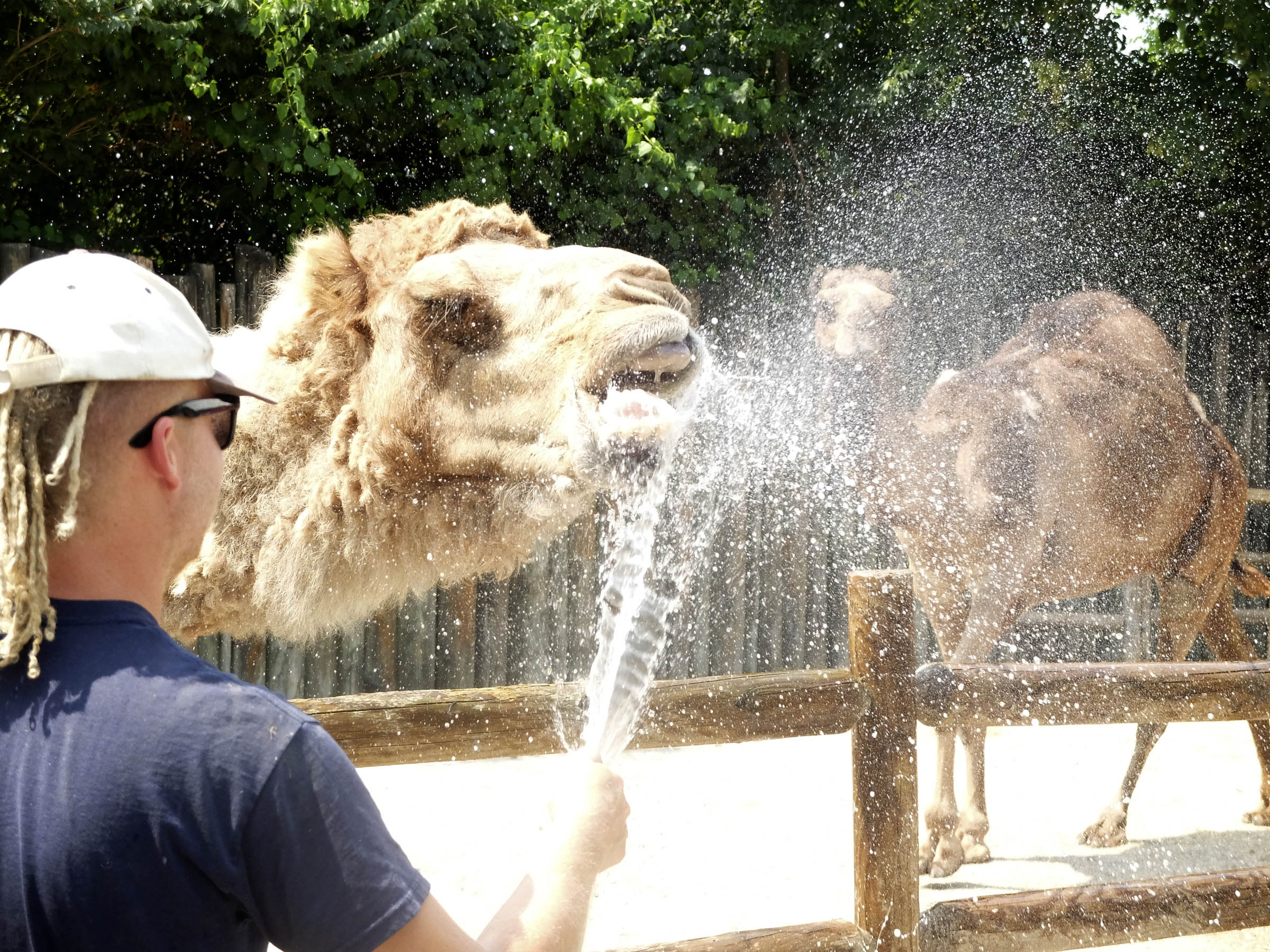
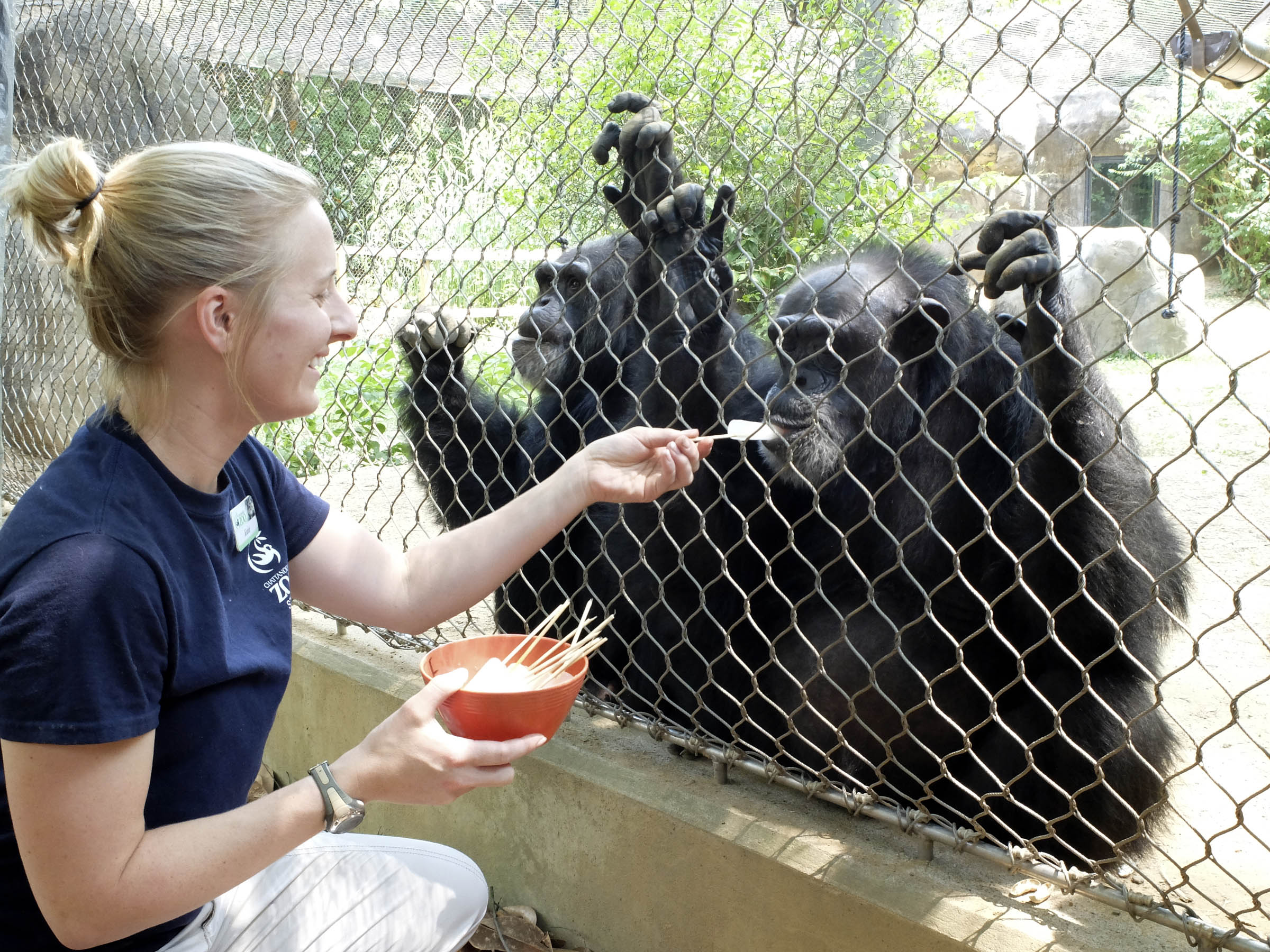
Leberdee said one of the zoo’s biggest jobs is keeping its residents healthy and happy, which includes spraying camels with water, giving juice popsicles to chimpanzees, and freezing other various foods to help the animals maintain comfortable body temperatures in the summer heat.
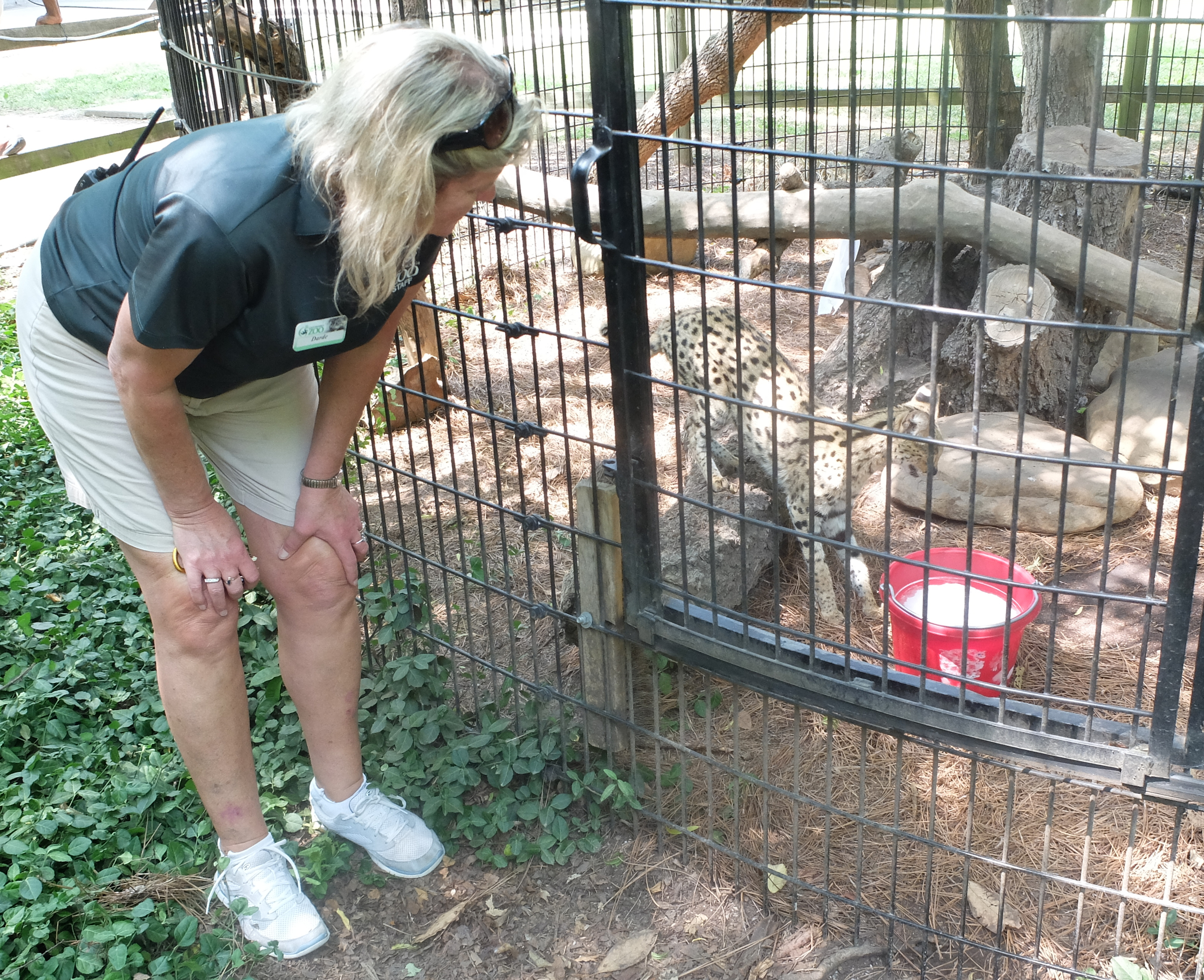
“We make the ice treats in advance, and we have a walk-in freezer to keep all the cool stuff in,” she said. “It’s enriching for the animals, it cools them down and it’s a lot of fun for the guests to watch.”
According to Leberdee, the provision of ice treats is common practice in many zoos and can be done with many animals, such as the snow leopard and red panda, that are not used to warmer temperatures. Although the zoo has not had any serious issues relating to animals getting overheated, employees closely monitor the temperature of each exhibit and are able to provide cooler spaces if needed.