
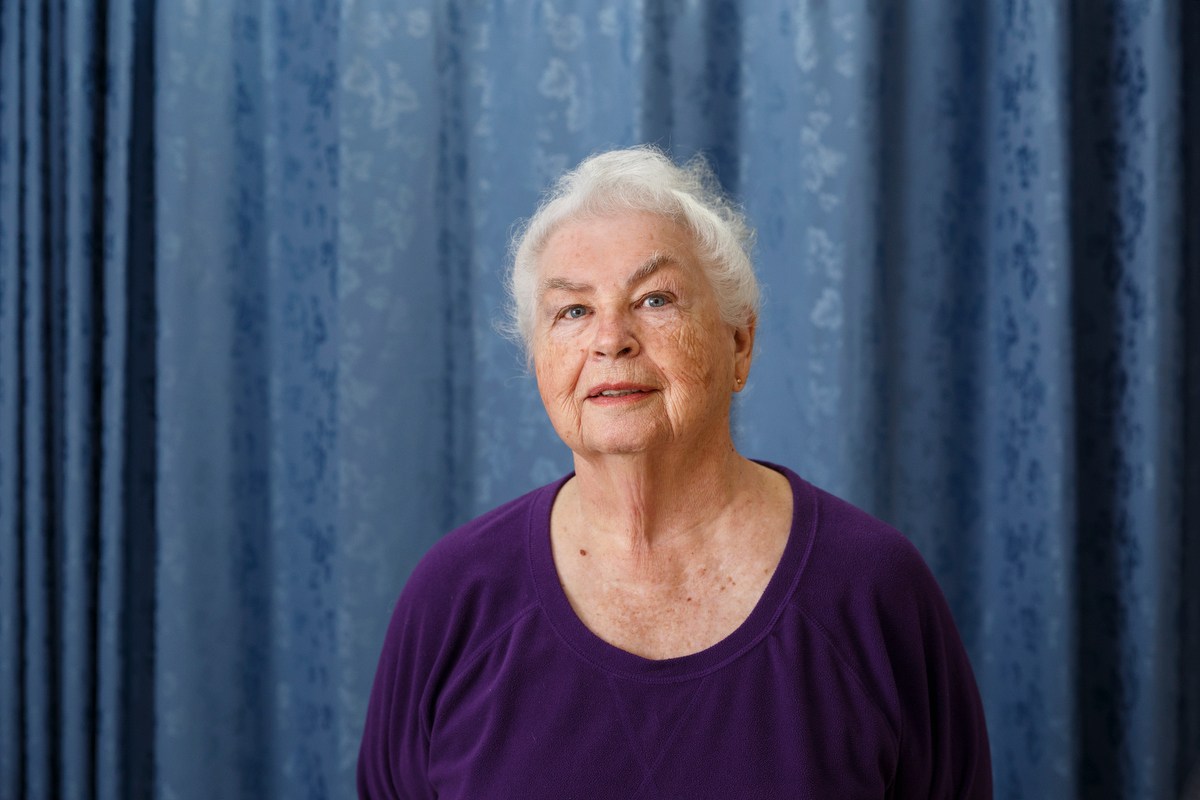
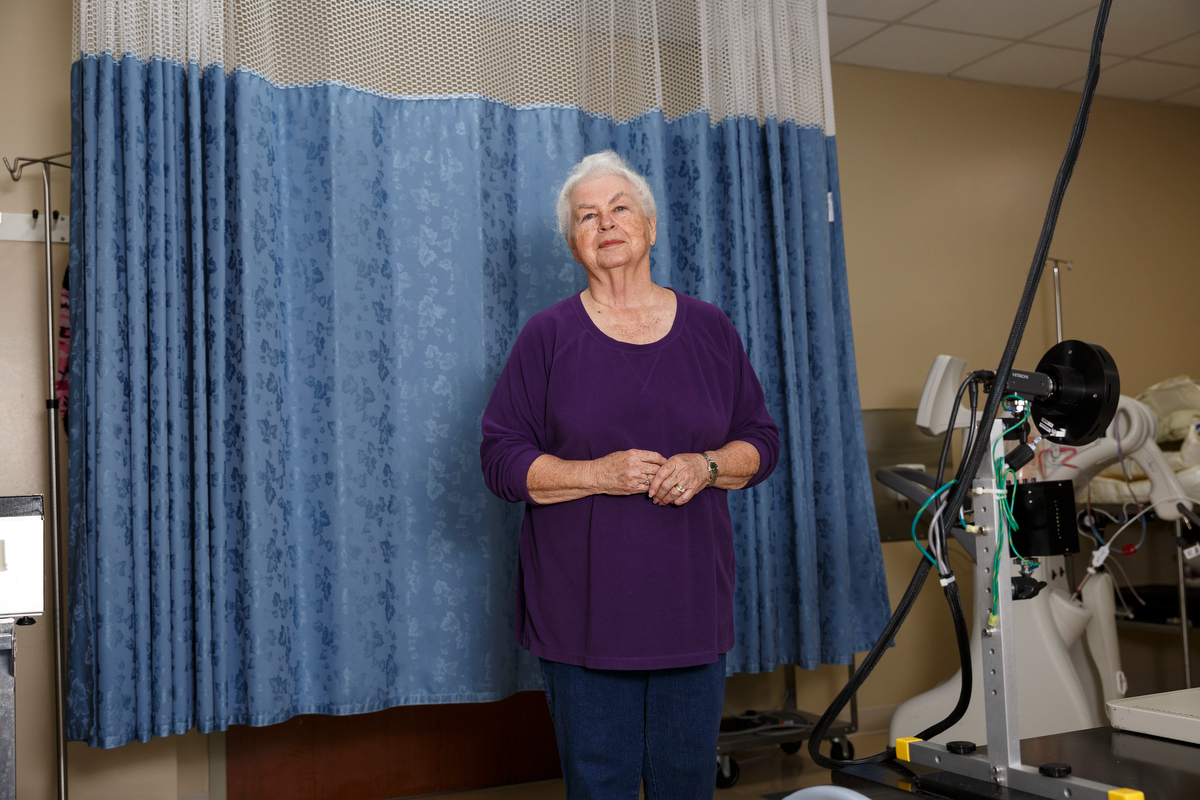
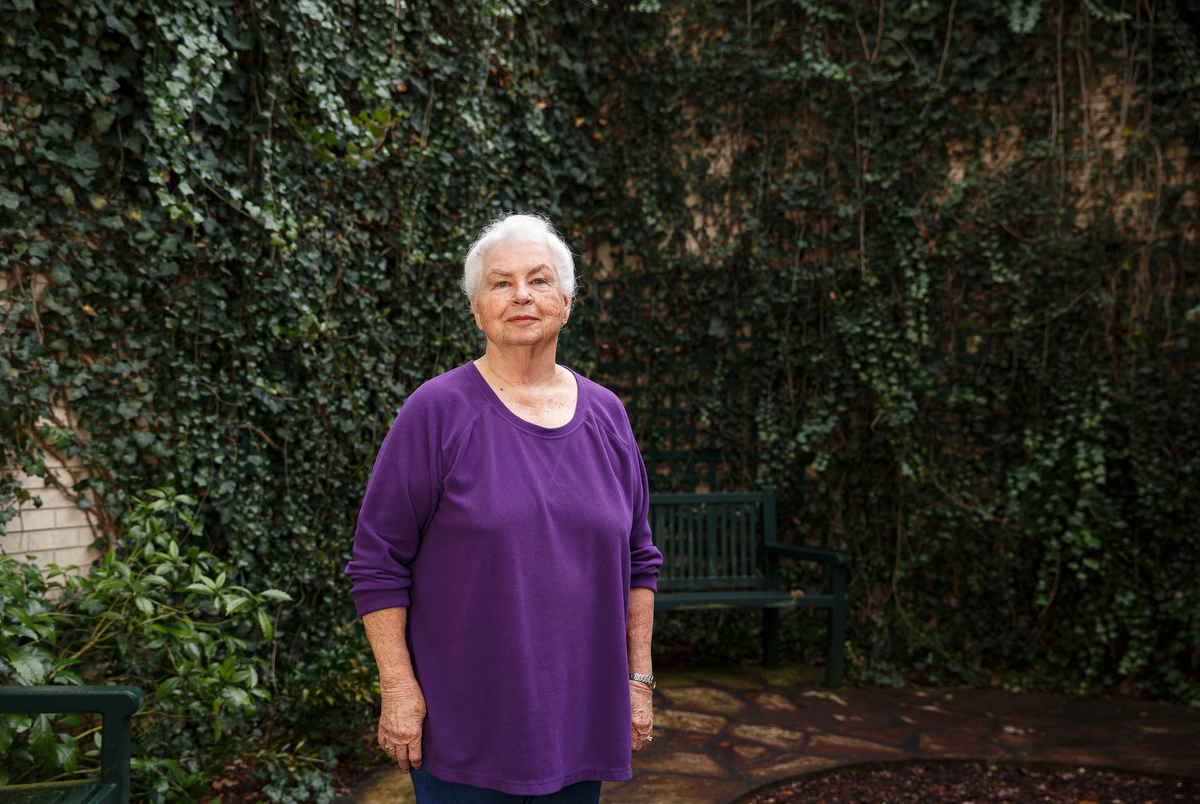
Eleanor Adicks was convinced a better treatment option was out there when she was diagnosed with breast cancer, but first she had to find it.
“I started digging online. I consider myself to be Dr. Google’s [physician’s assistant],” Adicks said.
The “C” word is always scary, she said, but luckily doctors caught her cancer early, and the tumor was small.
“If you have something as tiny as I had that was growing as slowly as mine, you don’t need a firetruck,” Adicks said. “Having watched other people go through radiation and chemo I just felt like there had to be a better option under the circumstances.”
After weeks scouring the internet, she learned there was a lesser-known treatment – intraoperative radiation therapy – for patients like her with stage 1 breast cancer.
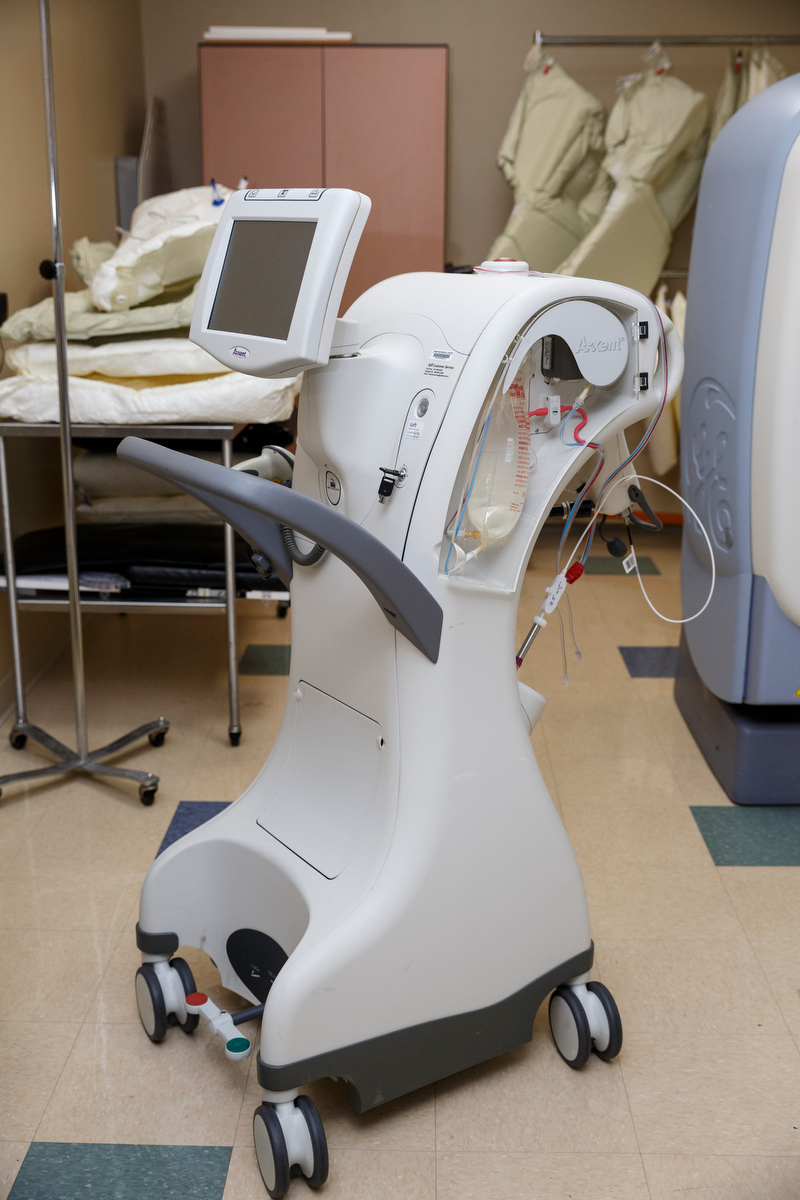
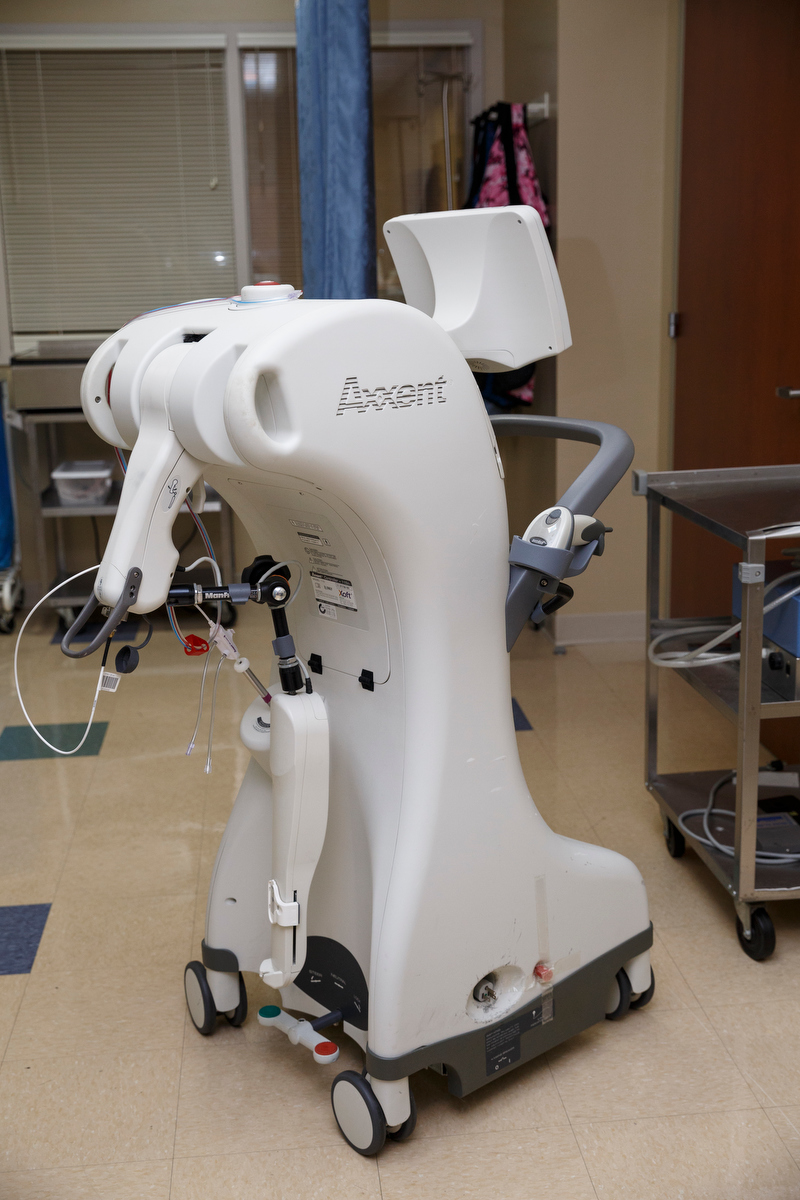
Intraoperative radiation therapy, or IORT, delivers intense radiation to the affected area during surgery, minutes after the tumor is removed.
The method works by targeting the tissue around the tumor bed, since the most likely place for the breast cancer to come back is within a short distance of the lumpectomy site. Using this method means that the breast tissue as a whole receives less dose.
Dr. Maikel Botros, medical director of Parkridge’s Sarah Cannon Cancer Institute, said studies show that the treatment works for a special group of patients: women over 50 years old with early stage, non-aggressive, small breast cancer tumors.
“These studies do show a minor increase in the risk of breast cancer recurrence within the same breast compared to whole breast radiation therapy, which is fathomable, because with this technique the whole breast is not radiated. However, statistical significance and clinical relevance are different concepts,” Botros said, adding that recurrence rates with IORT are “clinically close,” meaning within a few percentage points of the traditional radiation method.
“In some cases, it’s really warranted and very beneficial both to patients and the health care system [by shortening treatment time],” Botros said. “It does the job of what would conventionally be at least 16 treatments of radiation therapy on a daily basis, Monday through Friday.”
He said Parkridge is the only facility in the Chattanooga region offering IORT, and since it’s a one-time treatment usually done on an outpatient basis, it can be especially helpful for patients in rural areas – like Adicks – who may find traveling for daily radiation a barrier to treatment.
It takes more than 45 minutes one way to drive from her home in Dunlap, Tennessee, to Chattanooga, which was one of the factors that led her to seek out the treatment at Parkridge.
“There were a number of things that really appealed to me,” Adicks said. “One was the fact that it was done immediately, so there was no time for anything to wander Another was that it treated the tumor bed, right were the little booger had been.”
Adicks also liked that since the treatment was localized, she “could take a major zap” without radiation covering other parts of her body or burning her skin.
“What they were going to do with me – with the best of intentions – was do a lumpectomy, and then a period of time after that start radiation,” she said. “Doctors are very conscientious and they do what they think is the best procedure, and that’s great. That’s what you want. But, it’s your [body].”
Over two years later, Adicks is cancer free and wishing more people, including doctors, knew about the treatment.
“I have preached this from the rooftops – if you meet the criteria,” she said. “Be honest with yourself don’t let wishing get involved.”
Contact staff writer Elizabeth Fite at efite@timesfreepress.com or 423-757-6673.