

Years ago, I attended a book review given at the Public Library by the late George Connor. His subject was “Middlemarch,” the brilliant work of George Eliot. In a subsequent conversation, Connor urged me to read this weighty novel. I promised I would, duly bought a Modern Library edition – and forgot about it.
During recent summers, I’ve tried to catch up my reading by tackling works for which there was insufficient time in my years of full-time medical practice. This year my dusty, neglected copy of “Middlemarch” caught my attention. I found it to be a masterpiece I could not put down. In its 800-plus pages, Eliot provides character studies, insights into the early 19th century England – an uncertain time not unlike our own – and a captivating tale of life in a fictional English village. To an extent, Eliot anticipates the more clinical insights of Sigmund Freud into behaviors.
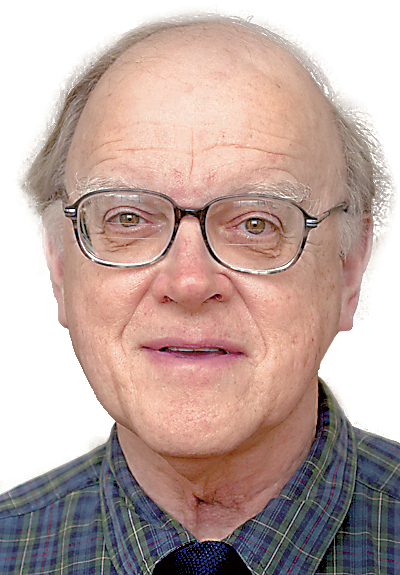 Clif Cleaveland
Among the many memorable passages is: “But what we call despair is often only the painful eagerness of unfed hope.”
What would a life without hope resemble?
If I were one of the millions of Syrians displaced by his nation’s civil war, the quest for hope would drive me from a refugee camp to North Africa, where I might spend my scant funds on a perilous journey across the Mediterranean Sea to an uncertain destination in Europe. If my craft did not capsize, I might find that I had traded one refugee camp for another. My prospects would remain grim.
If I were a resident of one of Africa’s failed states – Libya and Somalia for example – I would turn my fate over to smugglers of people who would pack me aboard unseaworthy vessels bound for Greece, Italy, France or Spain. Wherever I landed would be better than endless warfare and hunger.
If I were a resident of Central America, I would face similar, bleak prospects of ever getting a toehold in life. Better to escape unending poverty and zero prospects by turning my fate over to a smuggler or trying to make the journey to and across the Mexican-American border on my own.
If I were a poor, uneducated child of the streets in the U.S. I might join a gang to gain a sense of belonging to something that would offer me a certain security. I would surrender my identity for that of the gang or pack. Once in a gang, the lure of easy money by selling illicit drugs might make a criminal of me. My lack of hope might pull me into addiction, seeking escape from hopelessness in the sedated state of alcohol or the short-term highs of cocaine or heroin.
In extreme circumstances, hopelessness might drive me to end my life altogether, perhaps harming others in my final act of despair.
Hope is a driving force of our lives. It sustains us when we face a setback in our health, work or plans for the future. It allows us to fall asleep in a stressful time with a sense that the coming day may represent a fresh opportunity. Hope allows us to make short-term sacrifices for a greater goal.
Ours is a time of refugees, both internationally and in our own country and communities. We can dismiss those without hope, even blaming them for their plight. Or we can seek to understand what factors eroded their hope, and thereby determine if we can make a change in a life or a group of lives.
Our options for regenerating hope include donations to an international or local charity. We can volunteer time, energy and ideas to agencies working to restore hope. We can urge calm minds and compassionate policy of our elected officials. Finally, we must imagine ourselves in the shoes of a hopeless person to remind ourselves of the common bond of humanity that binds us.
All of this started with George Connor’s insistence that I read a great work of literature. Such works can reinvigorate our thinking and our ideals.
Contact Clif Cleaveland at cleaveland1000@comcast.net.