
Sunday, November 1, 2026Nov 1

This story is free to read.

Study: Ancient gene aids Tibetans with altitude

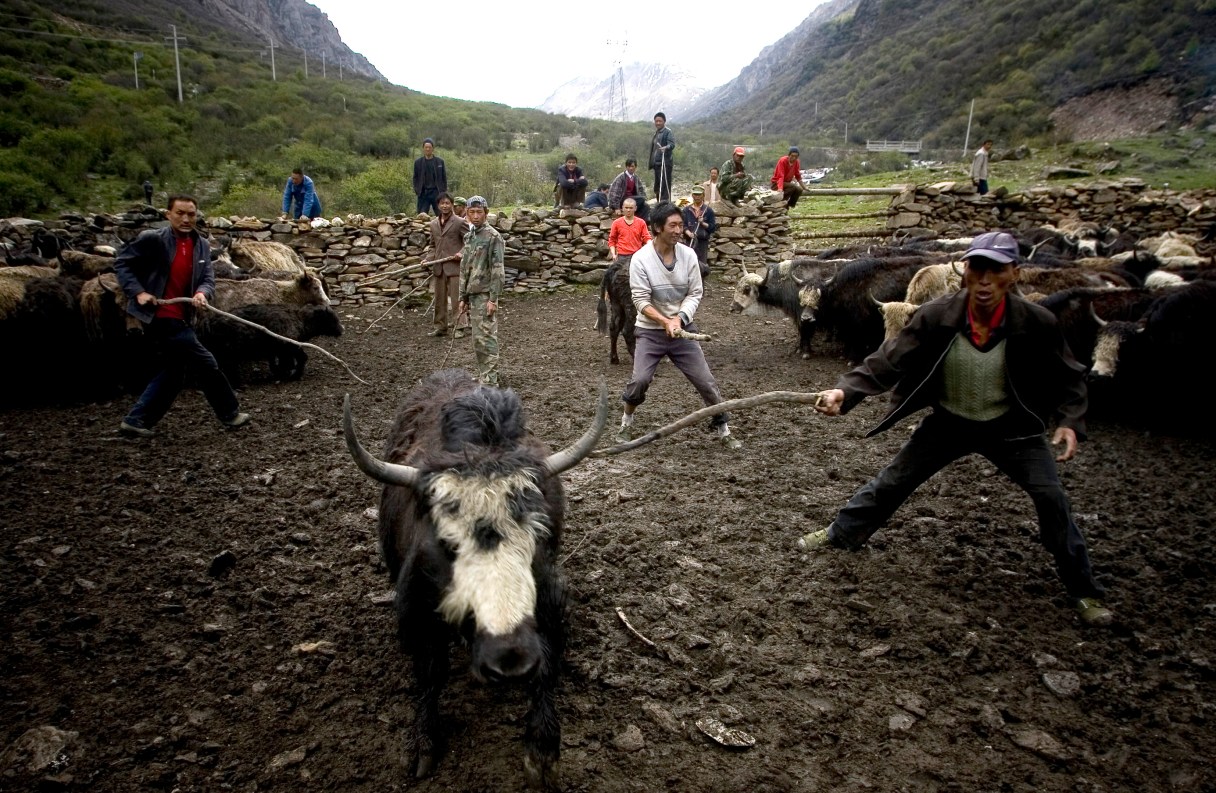
FILE - In this June 11, 2008  file photo, Chinese Tibetan ethnic herdsmen try to catch a yak for sale in Dengsheng of Aba, China's southwest Sichuan province. Tibetans can thank an extinct human relative for providing a gene that helps them adapt to the high altitude, according to a study released on Wednesday, July 2, 2014. (AP Photo/Alexander F. Yuan, File)
FILE - In this June 11, 2008 file photo, Chinese Tibetan ethnic herdsmen try to catch a yak for sale in Dengsheng of Aba, China's southwest Sichuan province. Tibetans can thank an extinct human relative for providing a gene that helps them adapt to the high altitude, according to a study released on Wednesday, July 2, 2014. (AP Photo/Alexander F. Yuan, File) FILE - In this June 11, 2008 file photo, Chinese Tibetan ethnic herdsmen try to catch a yak for sale in Dengsheng of Aba, China's southwest Sichuan province. Tibetans can thank an extinct human relative for providing a gene that helps them adapt to the high altitude, according to a study released on Wednesday, July 2, 2014. (AP Photo/Alexander F. Yuan, File)

NEW YORK (AP) – A new study says a gene that helps people in Tibet cope with the thin air there came from an extinct relative of humans.

Researchers say they found the Tibetan version of that gene in DNA from Denisovans (de-NEE’-soh-vens), a poorly understood group known only from 50,000-year-old fossils in a Siberian cave.

Other studies have found Denisovan DNA in modern populations, but the new study says the Tibetan high-altitude gene is virtually absent outside of Tibet.

Researchers believe the Denisovans passed it on by interbreeding with ancestors of today’s humans, but that it remained rare except in people who faced the high altitudes of Tibet. For them, it would confer a survival advantage, which would make it more common over time.

___

Online:

Nature: http://www.nature.com/nature