
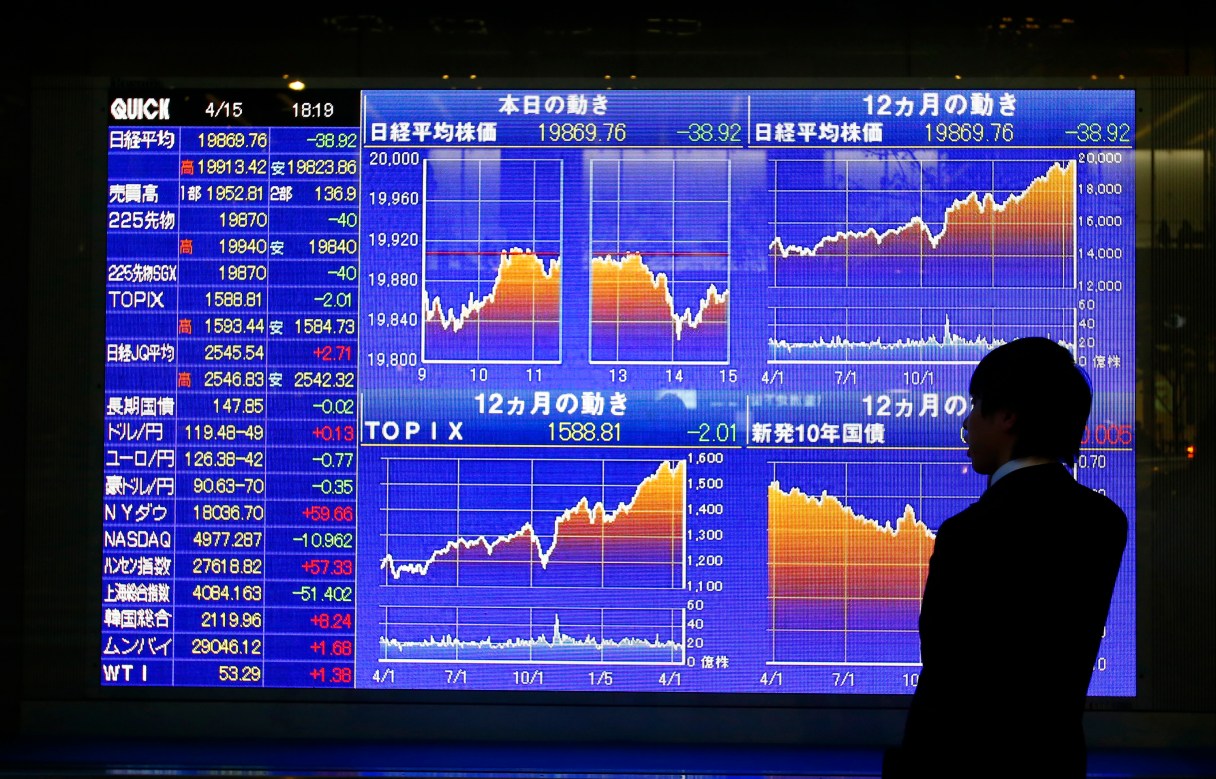
WASHINGTON (AP) – The U.S. dollar hasn’t been on a roll like this since Ronald Reagan sat in the White House and “Raiders of the Lost Ark” ruled the box office.
Since June 30, the greenback is up 28 percent against the euro, 18 percent against the Japanese yen and 40 percent against the Brazilian real. Not since 1981 has the dollar been so strong.
Some U.S. companies and investors wish it would take a breather. Delta Air Lines said Wednesday that the strong dollar is hurting ticket sales in some foreign markets and announced plans to pull back international service, primarily in Japan, Brazil, India, Africa and the Middle East. Johnson & Johnson on Tuesday blamed the dollar, in part, for dragging first-quarter earnings down nearly 9 percent.
Meanwhile, the International Monetary Fund downgraded the outlook for U.S. economic growth this year and next, citing the strong dollar’s damage to American exports.
The dollar is rising largely because the U.S. economy is outperforming most other developed economies and because U.S. interest rates are higher than those in Europe and Japan.