
TOPEKA, Kan. (AP) – Kansas won’t be issuing any report cards this year on how well its public school students performed on standardized reading and math tests after cyberattacks and other problems this spring, the state Board of Education decided Tuesday.
The board’s decision means there won’t be a report on how students scored overall statewide or how students in each school district or individual schools scored. The state typically releases such reports each fall to help the public judge how well Kansas’ schools are performing.
The University of Kansas center that designed the tests told the board last month that it should not release data for individual schools and districts because of problems administering the tests from March 10 to April 10. About two-thirds of the reading tests and one-third of the math tests were completed during the period, and state Department of Education officials concluded data wouldn’t be consistent across the state.
The U.S. Department of Education must sign off on Kansas’ decision because federal law requires states to administer annual tests and improve students’ results. But interim state Education Commissioner Brad Neuenswander said he’s confident federal officials will accept Kansas’ reasons for not reporting scores.
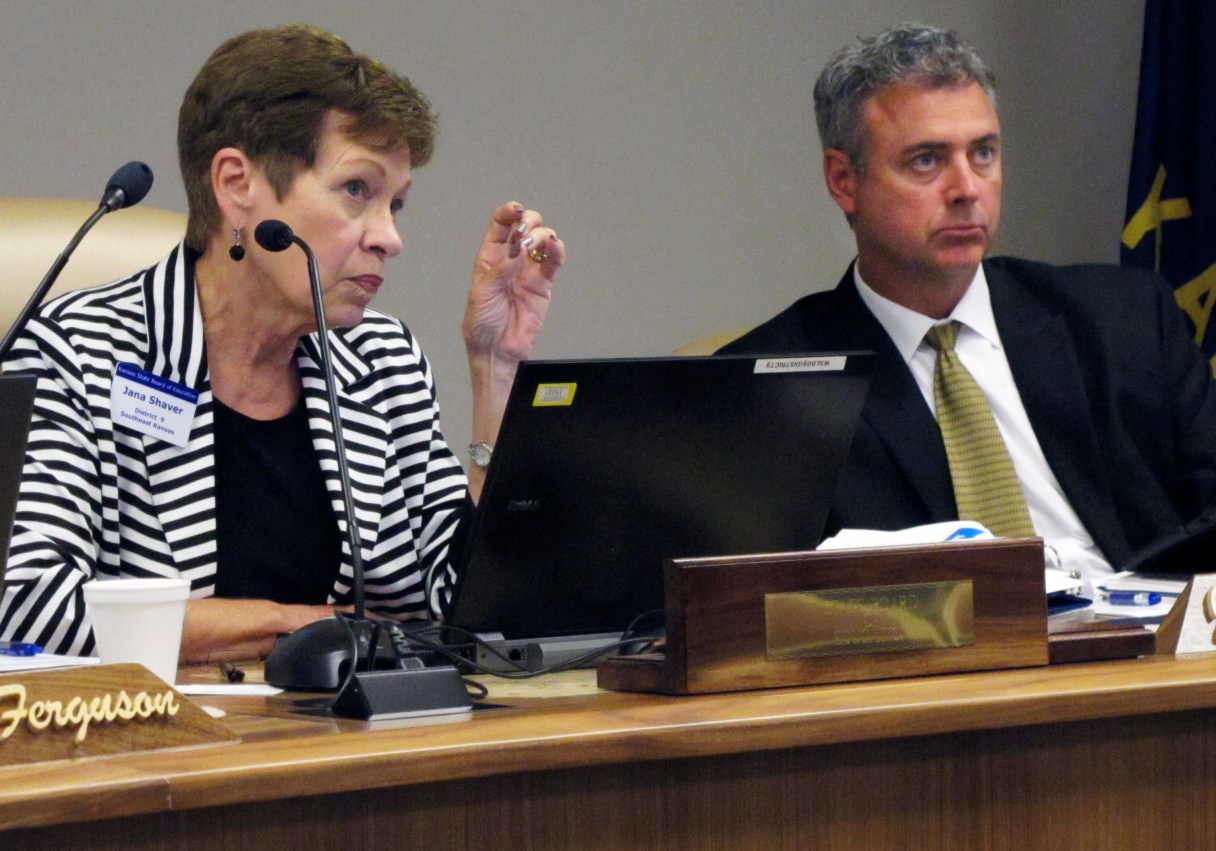
The board’s vote was 9-0. However, board member John Bacon, an Olathe Republican, expressed frustration with the problems and suggested the board review its contract with the Center for Educational Testing and Evaluation, which received $4.6 million during the 2013-14 school year.