
Friday, October 30, 2026Oct 30

This story is free to read.

Michael Brown’s legacy continues to evolve

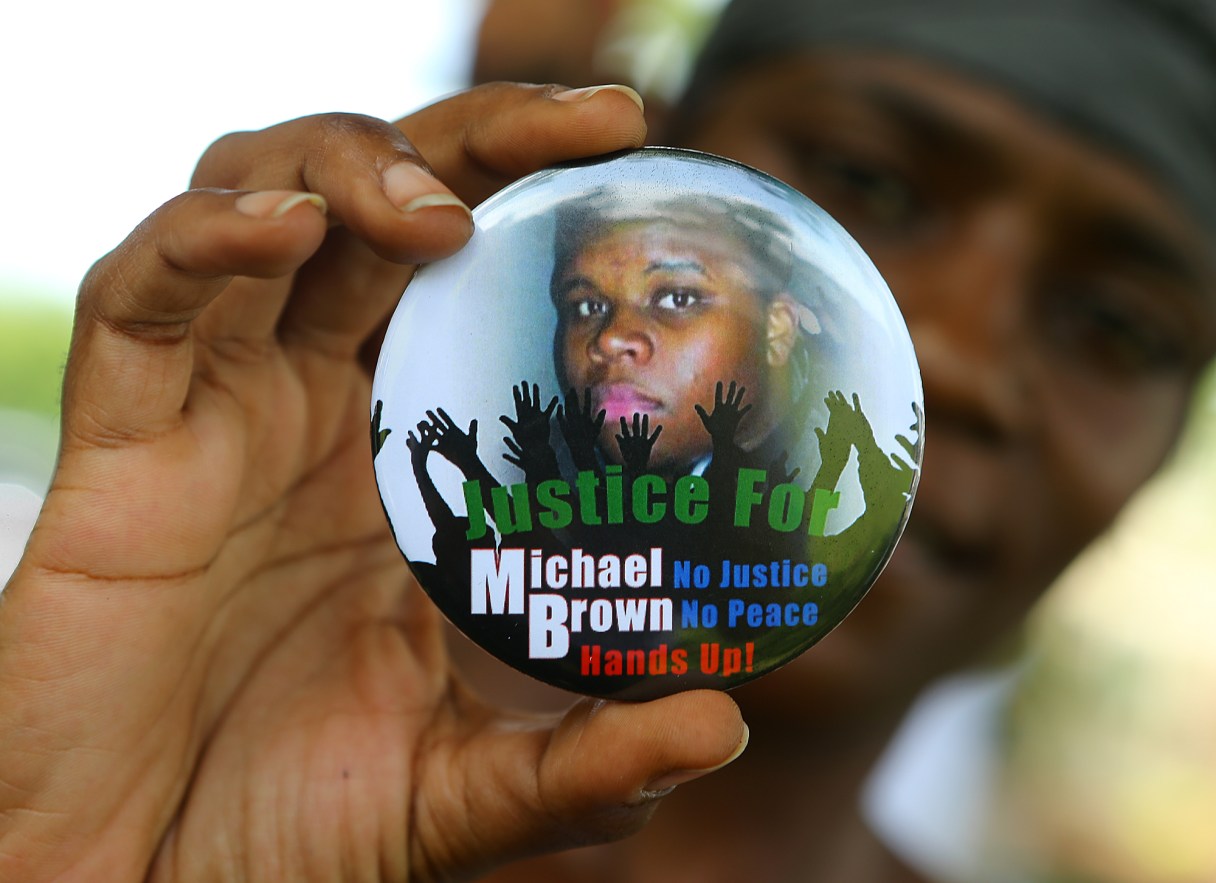
FILE - In this Aug. 21, 2014 file photo, Nikki Jones, of Spanish Lake, Mo, holds a button in support of Michael Brown while visiting the community in the apartment development near where he was fatally shot in Ferguson, Mo. After Brown's Aug. 9 shooting death at the hands of a white police officer his legacy continues to evolve. (AP Photo/Atlanta Journal Constitution, Curtis Compton, File)
FILE - In this Aug. 21, 2014 file photo, Nikki Jones, of Spanish Lake, Mo, holds a button in support of Michael Brown while visiting the community in the apartment development near where he was fatally shot in Ferguson, Mo. After Brown's Aug. 9 shooting death at the hands of a white police officer his legacy continues to evolve. (AP Photo/Atlanta Journal Constitution, Curtis Compton, File) FILE - In this Aug. 21, 2014 file photo, Nikki Jones, of Spanish Lake, Mo, holds a button in support of Michael Brown while visiting the community in the apartment development near where he was fatally shot in Ferguson, Mo. After Brown's Aug. 9 shooting death at the hands of a white police officer his legacy continues to evolve. (AP Photo/Atlanta Journal Constitution, Curtis Compton, File)

NEW YORK (AP) – For some Americans on opposite sides of a national debate, Michael Brown has become a symbol, epitomizing their polarized views on who bears the blame for the toll of young black men killed by police officers. Brown was a gentle giant, in one version. A defiant troublemaker, in another.

Yet as more details of the 18-year-old’s life and death emerge, his legacy in the eyes of many is more nuanced, reflecting the ups and downs and challenges faced by many young Americans.

“He was someone trying to come into his own, trying to grow up in a world that’s not that friendly to young people,” civil rights lawyer Barbara Arnwine said.

“Other young people see themselves in him. They’re not looking for someone who’s perfect. It’s his vulnerabilities that appeal to them,” said Arnwine, president of the Lawyers Committee for Civil Rights Under Law.

In the days after Brown’s Aug. 9 shooting death at the hands of a white police officer in Ferguson, Missouri, a warm, upbeat portrait emerged.