
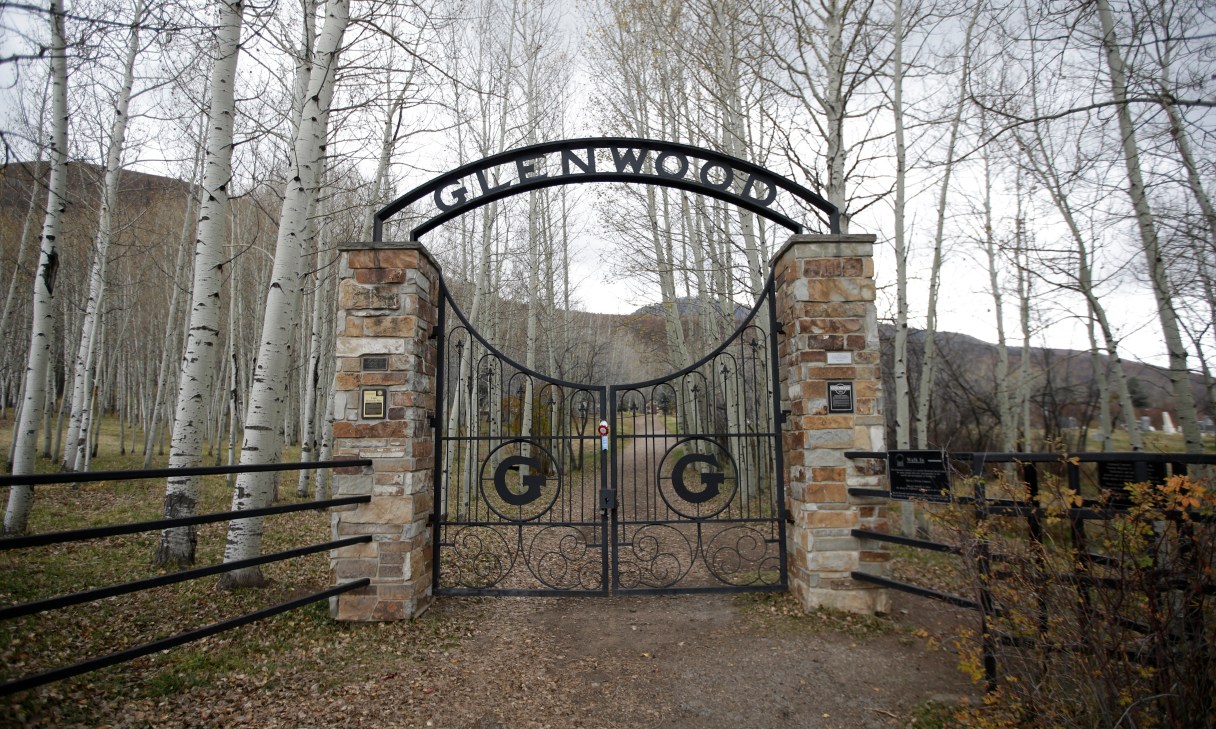
PARK CITY, Utah (AP) – A jury found that a Utah cemetery association was not negligent in the death of a 4-year-old boy who was crushed by a historic headstone, one of a handful of similar deaths around the country in recent years.
Jurors delivered their decision late Thursday night in a family lawsuit over the 2012 death of Carson Dean Cheney, who was hiding behind the 250-pound tombstone that fell while he took pictures with his family in Park City.
Lawyers for the boy’s parents argued that the Glenwood Cemetery Association allowed the 1889 stone to get dangerously weak with shoddy maintenance and failed to warn people about possible danger, including that headstones had fallen before. They sought between $2 million and $4 million in damages.
The association said its volunteers conducted frequent inspections of the cemetery and the headstone was stable until the boy started playing on it July 5, 2012.
Cemetery Association lawyer Paul Belnap said that while the group was sorry for the boy’s death, they appreciated the jury’s work in the case.