
Sunday, November 8, 2026Nov 8

This story is free to read.

Alaska’s Aleutian Islands brace for intense storm

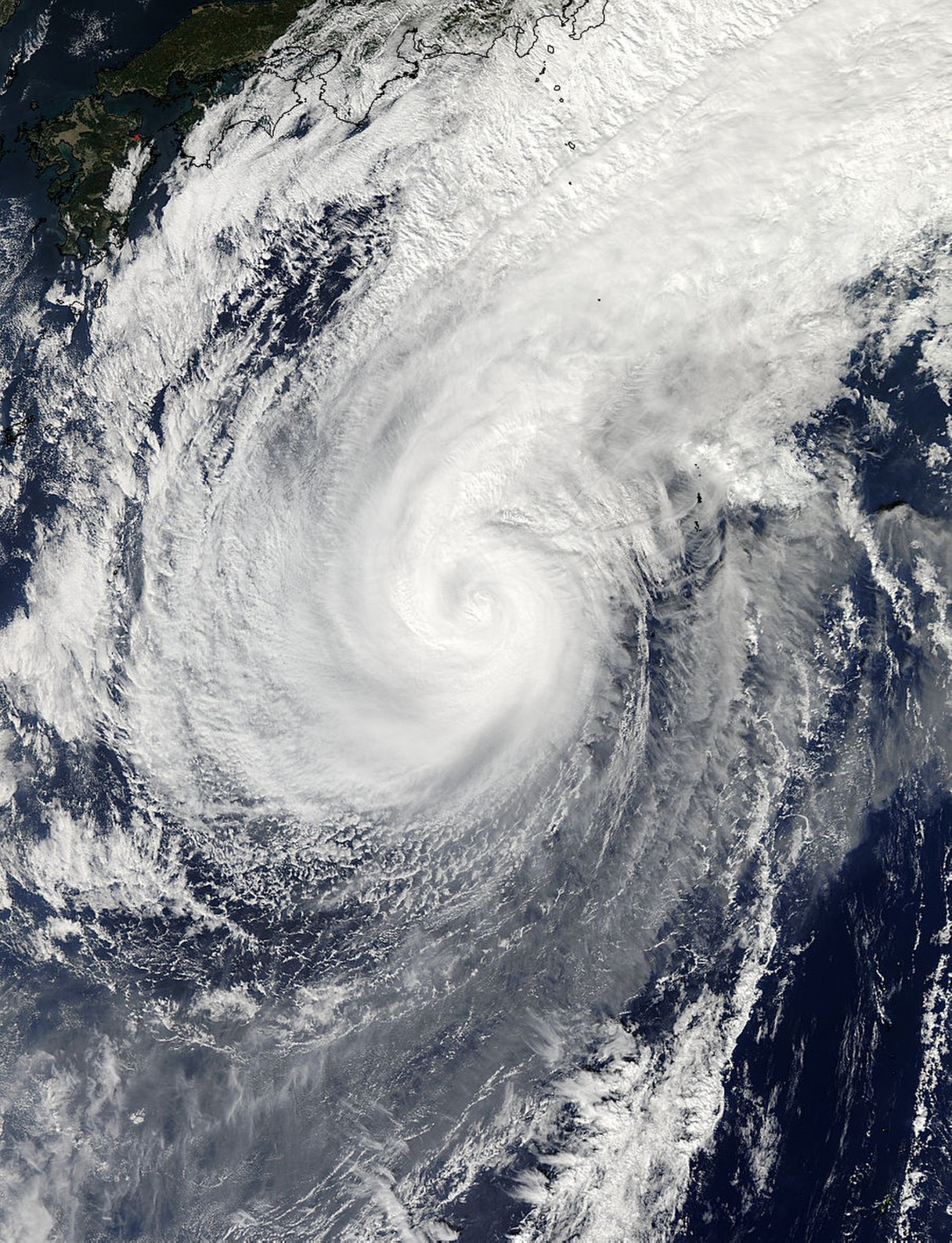
This Nov. 5, 2014 photo provided by NASA shows a picture captured by NASA's Aqua satellite of Typhoon Nuri. Weather forecasters say an explosive storm, a remnant of Typhoon Nuri, surpassing the intensity of 2012's Superstorm Sandy is heading toward the northern Pacific Ocean and expected to pass Alaska's Aleutian Islands over the weekend. (AP Photo/NASA)
This Nov. 5, 2014 photo provided by NASA shows a picture captured by NASA's Aqua satellite of Typhoon Nuri. Weather forecasters say an explosive storm, a remnant of Typhoon Nuri, surpassing the intensity of 2012's Superstorm Sandy is heading toward the northern Pacific Ocean and expected to pass Alaska's Aleutian Islands over the weekend. (AP Photo/NASA) This Nov. 5, 2014 photo provided by NASA shows a picture captured by NASA's Aqua satellite of Typhoon Nuri. Weather forecasters say an explosive storm, a remnant of Typhoon Nuri, surpassing the intensity of 2012's Superstorm Sandy is heading toward the northern Pacific Ocean and expected to pass Alaska's Aleutian Islands over the weekend. (AP Photo/NASA)

ANCHORAGE, Alaska (AP) – A rapidly intensifying storm is barreling toward Alaska’s western Aleutian Islands, signaling its pending arrival with hurricane-force gusts.

National Weather Service forecaster Bob Oravec says 74 mph gusts and 57 mph sustained winds were recorded Friday morning at Shemya Island, at the edge of the island chain.

The storm is expected to bring unseasonably frigid temperatures to much of the U.S. by next weekend.

Shemya Island is where the U.S. military operates Eareckson Air Station, which serves mainly as an early warning radar installation. Air Force officials say 120 people are on the island and they’ve been preparing for the storm.

What’s left of Typhoon Nuri is expected to surpass the intensity of 2012’s Superstorm Sandy. But Nuri’s target is a sparsely populated region where people are accustomed to severe weather.

___

AP Science Writer Seth Borenstein in Washington, D.C., contributed to this report.