
Most of the focus [nationally] is on fixing high-poverty schools and accepting that our schools are going to be racially and economically segregated. We don't have to accept segregation as inevitable and should look at creative ways, noncoercive ways, to desegregate our public schools.
Students born into poverty already have one strike against them, and they face another disadvantage when they are educated with other poor kids, according to an education expert.
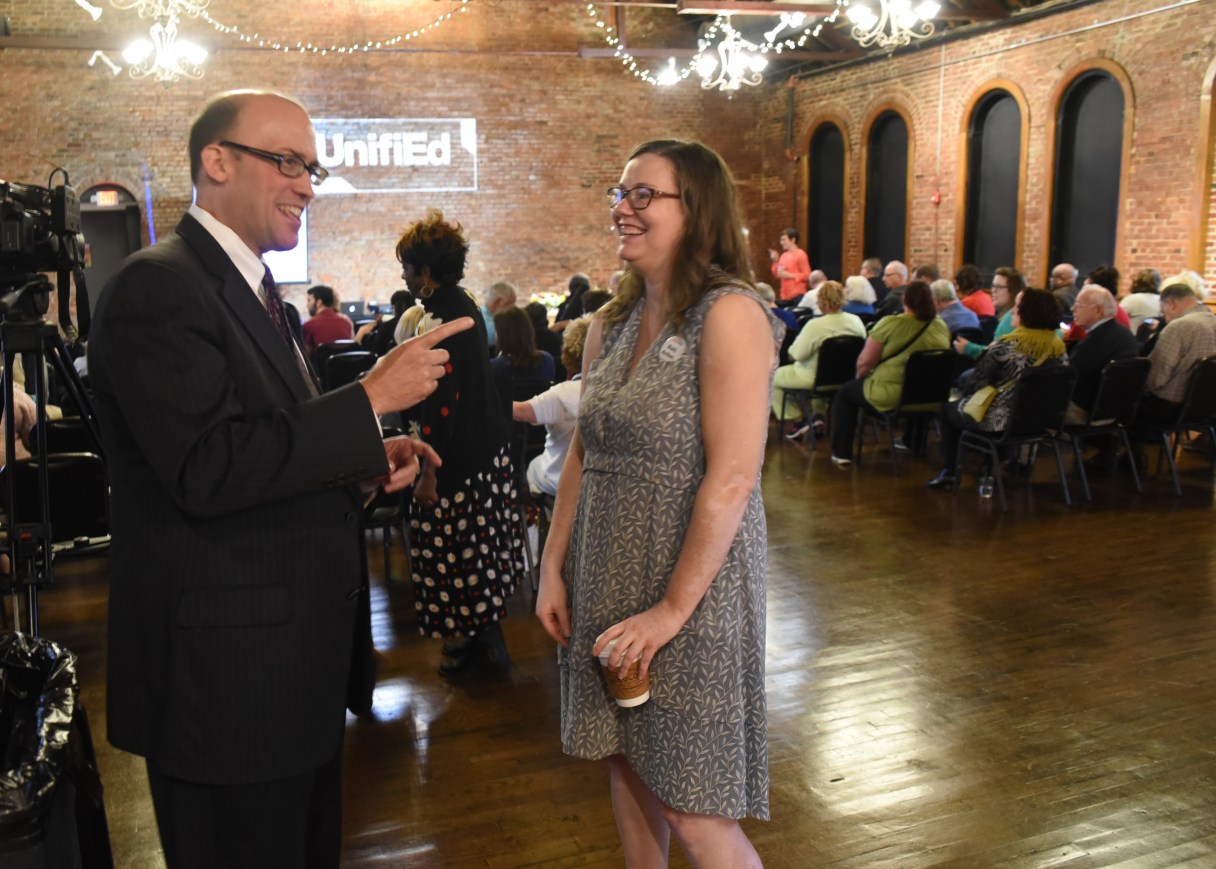
A variety of research studies and data prove that socioeconomically diverse schools outperform segregated ones, Richard Kahlenberg, a senior fellow at the Century Foundation, told a crowd of about 100 people gathered at the Church on Main Thursday night.
“Poor kids can learn if given the right environment,” Kahlenberg said.
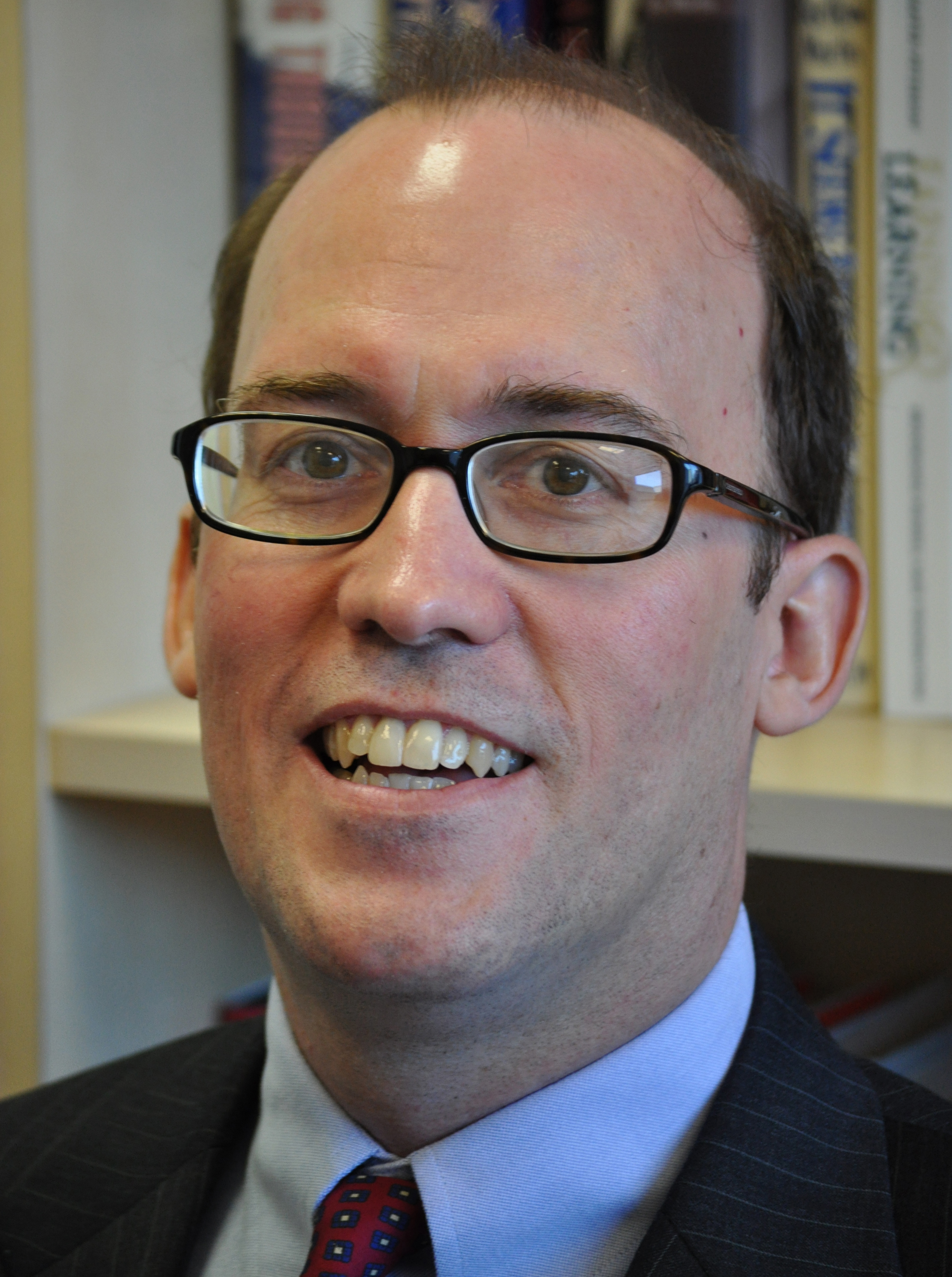 Richard Kahlenberg, a leading proponent for economic integration in public schools, is a senior fellow at The Century Foundation.
Too often, low-income students are trapped in schools segregated by economic class, said Kahlenberg, a leading thinker in the economic integration movement in K-12 schools.