
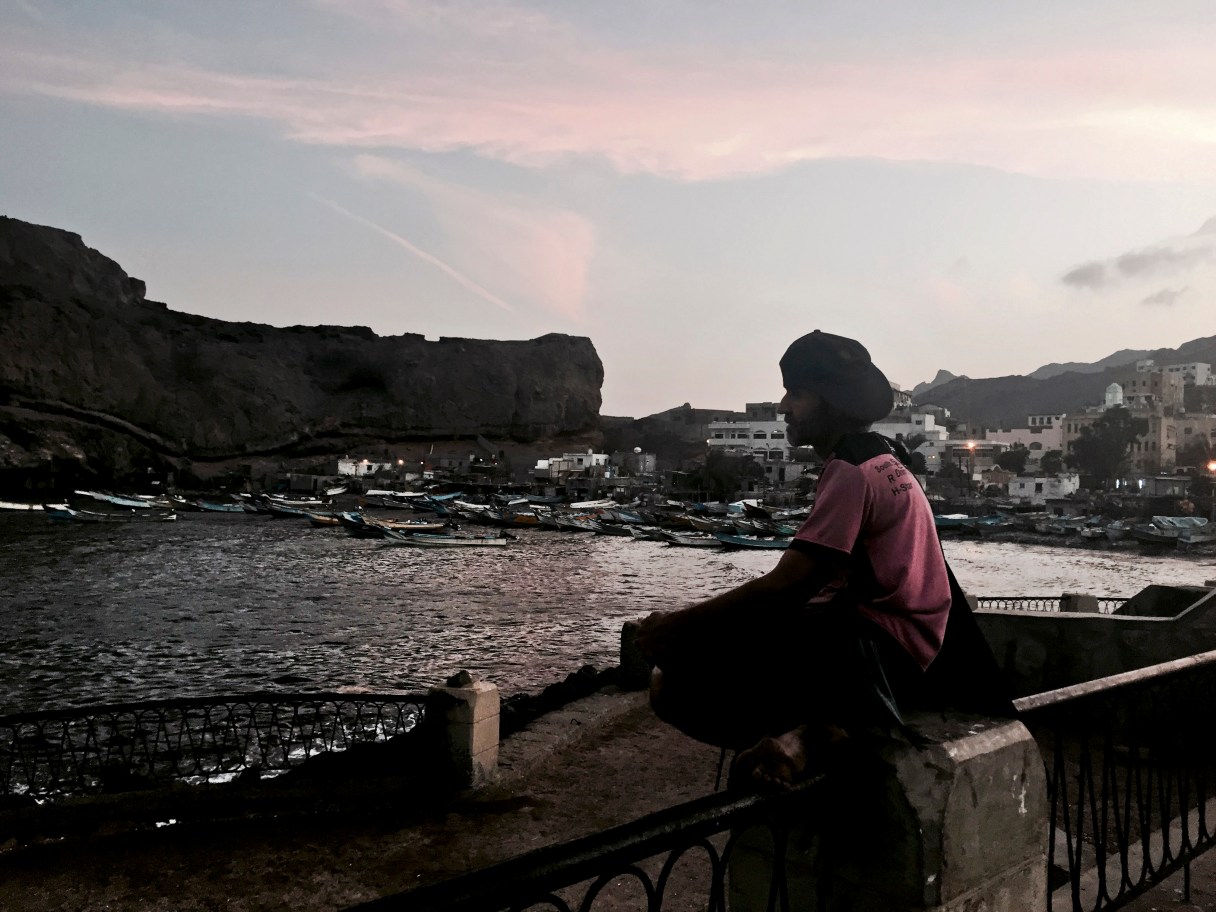
ADEN, Yemen (AP) – The flag of once-independent South Yemen is visible everywhere around this port city, once the country’s capital. The banner – red, white, black and blue with a red star – is painted on walls, flown from homes, and flutters from the vehicles and checkpoints of militiamen in the streets.
“We want freedom,” declares an English-language slogan spray-painted on a wall on a main road. Another proclaims: “The Free South.”
Calls among southern Yemenis to break away once more are accelerating as the country collapses into conflict. Shiite rebels known as Houthis have taken over the capital, Sanaa, and much of the north, and are storming south in a bid to secure their hold on the country. President Abed Rabbo Mansour Hadi was first driven out of Sanaa, then tried to make a last stand in the southern city of Aden. But on Wednesday, he fled the city – and the country.
On Thursday, Saudi Arabia began launching airstrikes in Yemen in a bid to oust the Houthi rebels from their strongholds.
Hadi’s supporters remain behind, including army units loyal to him and militiamen. But many in the south are likely to fight not so much to try to restore Hadi’s rule but to carve out their independence. Fueling the separatist sentiment in the almost completely Sunni south is the widespread belief that the Houthis are proxies for Shiite powerhouse Iran to dominate the country. Moreover, the Houthis’ top ally is Yemen’s former autocratic leader, Ali Abdullah Saleh, who ruled for nearly 40 years until his ouster in 2011 and was widely hated in the south.