
I will admit that I am kind of a news junkie. I want to hear the latest about COVID-19 as well as everything else that is going on. I hear the numbers, listen to interviews with Dr. Fauci, Dr. Birx and others. I see the never-ending lines of cars waiting to pick up food at food banks; I hear about job loss, farmers throwing out crops because they have nowhere to send them; people who are quarantining by themselves and are lonely; marriages and families struggling because they are spending so much time together and more stories.
Day after day I am filling my mind with all of this, and I realize that the intensity of this is impacting me in so many ways, and we are nowhere near the end. Honestly, it’s straight-up depressing, and I am mentally feeling the impact of it all.
Honestly, it’s hard for any of us to go through the level of emotional, social and financial trauma we are experiencing and not be impacted. The environmental and adjustment stress we are all feeling can be overwhelming, so much so that some of us may find ourselves in a place we’ve never been before when it comes to our mental health.
You may also be feeling a bit different these days and wondering what in the heck is going on. Maybe it’s hard to get out of bed in the morning, your energy level is nonexistent, you aren’t hungry or you eat all the time, your nerves seem frazzled or it’s hard to think clearly because your brain feels like it’s in a fog. Believe it or not, all of these things are normal responses to a severe crisis, which is what we are in the middle of. The thing we have to ask ourselves is: What can I do to feel better?
Crisis help
› Substance Abuse and Mental Health Services Hotline: 800-662-HELP (4357)› National Suicide Prevention Lifeline: 800-273-TALK (8255)
How about trying these things out?
* Go for a walk or get some other type of exercise. Doing some sort of physical activity on a daily basis can make a major difference in the way you feel and function. There are lots of free workout apps and online options.
* Spend time in the sun soaking in vitamin D. This is one of the most powerful ways to boost your mood. The fresh air will be good for you, too.
* Get yourself on a schedule. Even though you may not be working or leaving the house, staying on your normal sleep schedule, getting up in the morning, taking a shower, getting dressed, eating at consistent times and then doing something constructive can help your brain function better.
* Phone a friend. While we need to physically distance ourselves from others, socially isolating ourselves is not a good thing. Technology allows us to connect with the ones we love face-to-face. Talking with neighbors across the fence or street can also be helpful. We are made for relationships and need them to thrive.
* Watch movies or shows that make you laugh. Believe it or not, laughter can actually protect you from the damaging effects of stress and help you feel better. Humor helps us release anger, have hope and be more focused and alert.
* Watch what you eat and drink. Do your best to eat balanced meals. Try to avoid overeating or not eating enough. That can be difficult given the circumstances, but fresh/frozen fruit and vegetables are great choices if you can buy them. Drinking water has tons of health benefits, too.
* Limit your alcohol, sugar and caffeine intake. If you are struggling with feelings of depression and anxiety, these things can make you feel worse.
* Limit your news intake. Same reason.
* Make time to journal. Writing down your feelings, fears, thoughts and emotions can help you take control of all that is running through your head. Sometimes what appears overwhelming in your mind doesn’t seem so much so when you actually look at it on paper.
* Ask for help (see box). Don’t let pride or fear keep you from seeking help to get past this moment in time. What we are going through is hard. If you are having trouble navigating through this time, ask for what you need. Plenty of doctors and counselors are seeing people through Zoom and other ways.
This is not easy. It’s normal for all of us to be feeling unsettled about this COVID-19 thing. It is highly likely that none of us will come through this unscathed in some way. If you get to a place or you are already in a place where how you are feeling is impacting your ability to function and accomplish simple daily tasks, that’s when you know it’s time to get some help.
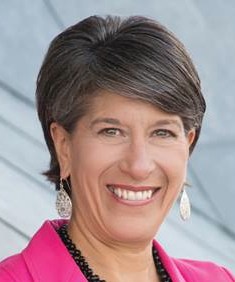
Julie Baumgardner is president and CEO of family advocacy nonprofit First Things First. Email her at julieb@firstthings.org.
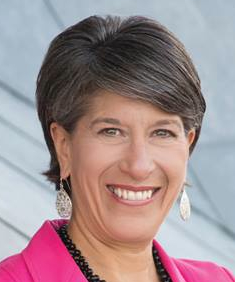 Julie Baumgardner