
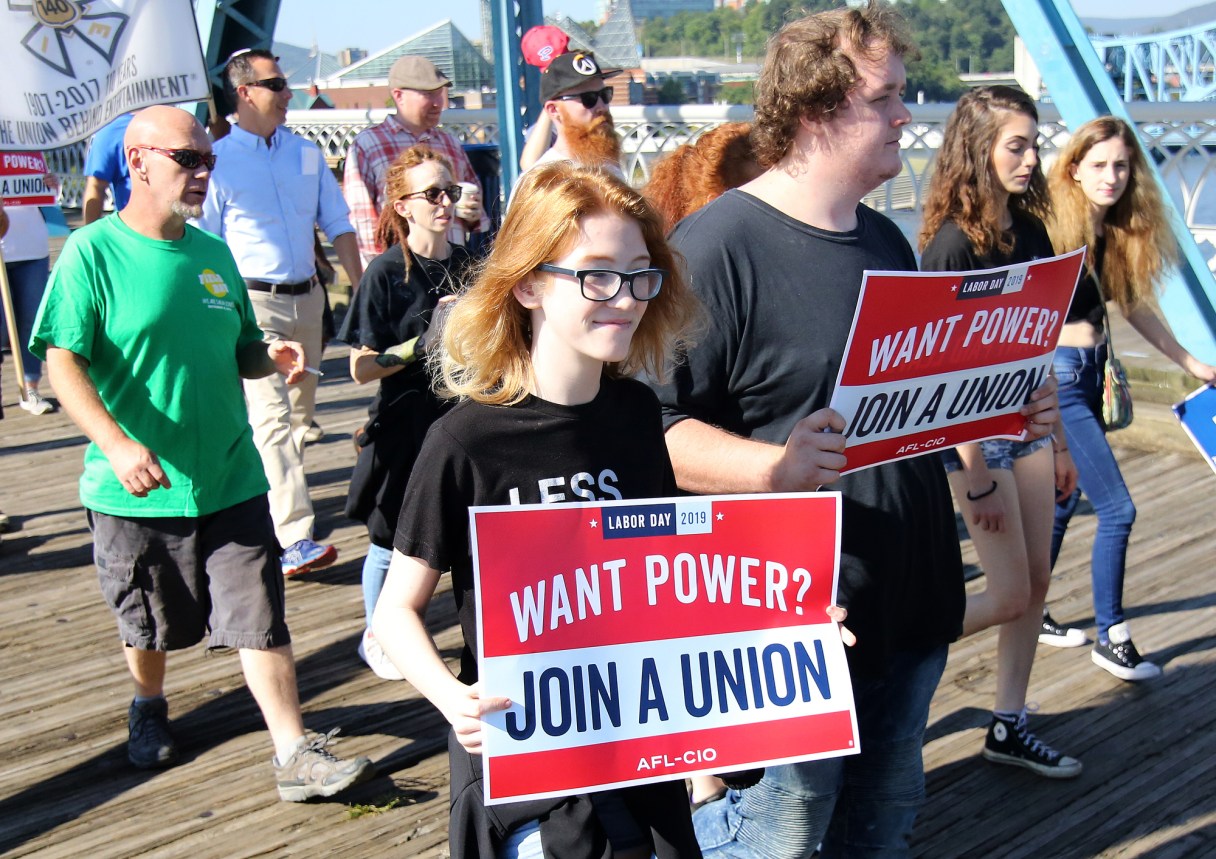
The Labor Day holiday, dating to the early 20th century, was envisioned as a public celebration of “the strength and esprit de corps of the trade and labor organizations” of the community.
This year’s commemoration may seem strained with social distancing and much uncertainty about the future of jobs and opportunity, but the situation is less dire than feared at the start of the COVID-19 crisis. Americans are resilient and are finding ways to cope. We should all take pride in that. It’s also possible the disruption will have some positive side effects, like shaking up the status quo about labor unions.
It is unlikely work life will revert to the way it was before the COVID-19 crisis. Many workers have learned to clock in from home – and found they prefer it. Big companies are rethinking large offices now that they know workers can do things remotely. Service-oriented businesses like restaurants have switched over to delivery as the primary means of reaching customers. City populations will thin if offices go empty, and the ancillary businesses that relied on the white-collar workers – like dry cleaners, delis and parking lots – will thin out, as well.
Parents who hadn’t considered home schooling have been forced to try it or other alternate education models. Some parents will prefer the alternatives, meaning smaller classes and fewer teachers at traditional schools. Doctors learned how to practice telemedicine, when possible, limiting their need for offices and support staff. And so on, across the economy.
That’s “creative destruction” happening, and it’s a necessary if sometimes painful sort of change. We must cope and adjust.