
If you go
› What: “Wild Africa 3D.”› When: Daily screenings (see schedule).› Where: Tennessee Aquarium’s Imax Theater, 201 Chestnut St.› Admission: Nonmembers $11.95 adults, $9.95 children 3-12; members $8 adults and children; free for Imax Club pass holders.› Phone: 1-800-262-0695.› Website: www.tnaqua.org/plan-your-visit/ticket-information.Screening schedule› Nov. 11-Dec. 1: 11 a.m., 1, 3 and 5 p.m. Sunday-Thursday; 11 a.m., 1, 3, 5, 7 and 9 p.m. Friday-Saturday.› Dec. 2-Jan. 5: 1, 3 and 5 p.m. Sunday-Thursday; 1, 3, 5, 7 and 9 p.m. Friday-Saturday.› Jan. 6-12 (during Imax Film Festival): 1 p.m. daily.
‘Wild Africa 3D’ by the numbers
* 573: Days of filming required to capture the 3D footage.* 30: The number of locations (in 13 countries) that produced the on-screen scenes, including the first-ever 5K-resolution underwater footage using a specially designed camera housing.* 125: Porters needed to carry camera equipment up to the base camp on Mount Kenya at an elevation of 14,500 feet.* 14: Temperature (in degrees Fahrenheit) endured on Mount Kenya, although Africa is often thought of as a hot continent.* 1,000: Feet of cable used for one shot over Victoria Falls.Source: Tennessee Aquarium
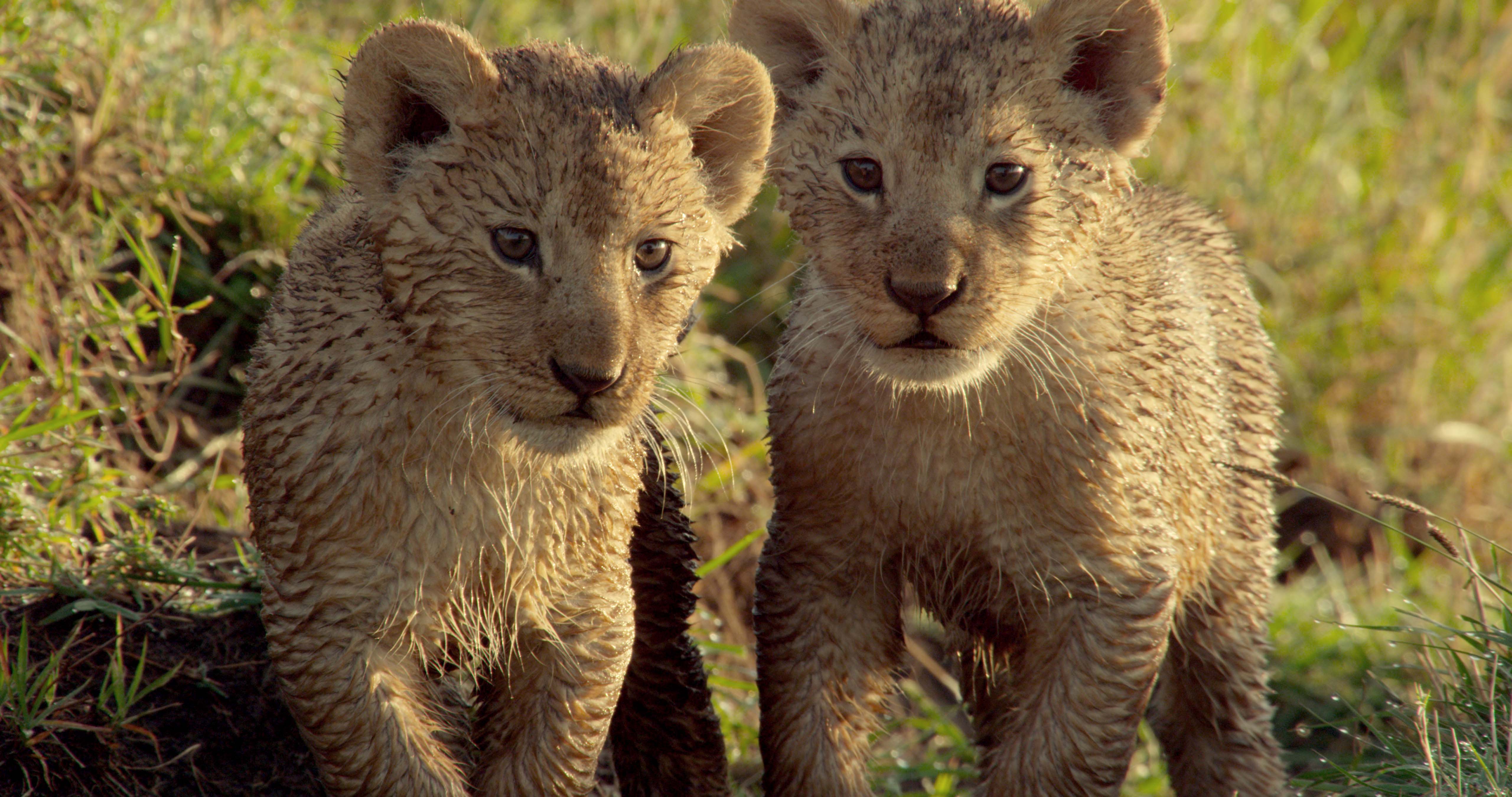
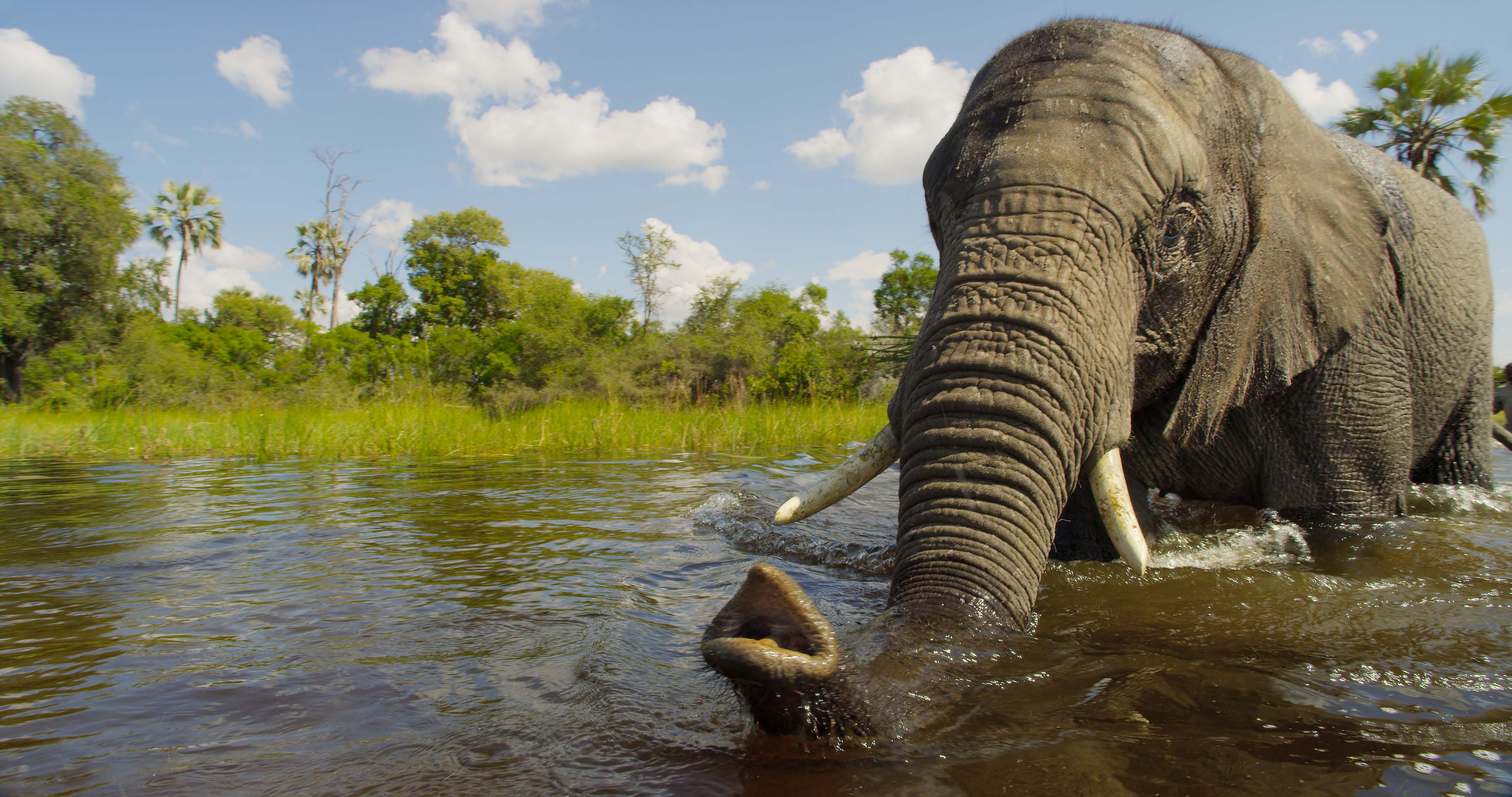
The new film at the Tennessee Aquarium’s Imax 3D Theater will take viewers on a virtual safari across, over and through some of the wildest places remaining on the planet.
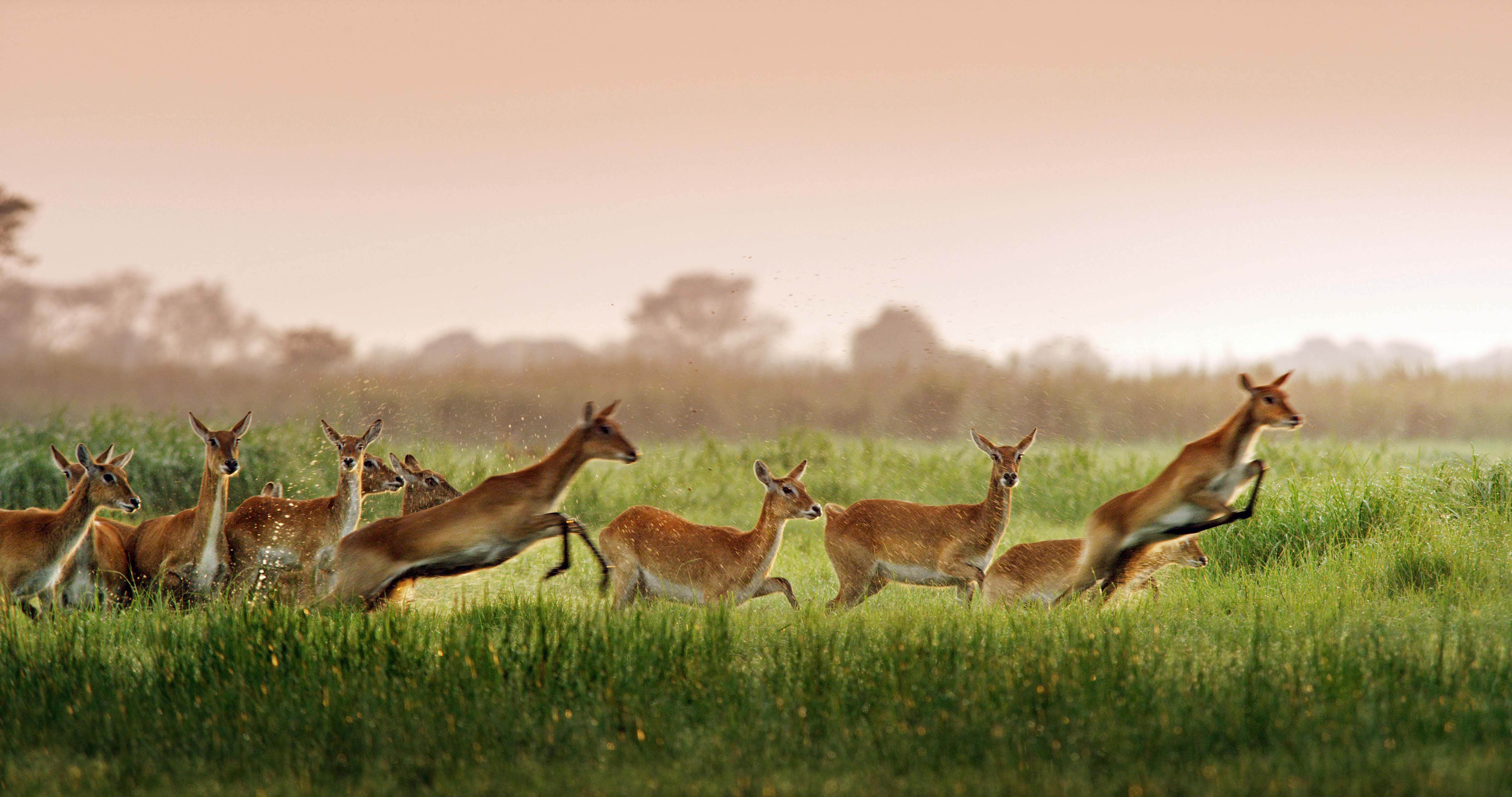
Set to open Friday, Nov. 11, “Wild Africa 3D” travels atop the highest snow-covered mountains in Kenya, along great rivers, into steamy rainforests and wide-open savannahs, revealing the striking contrast of stunning deserts beside wild oceans and the sunlit abundance of the coral reefs, producers say.
Although terrestrial environments appear in plenty of the documentary’s marquee moments, water is a constant presence in the film, shaping the landscape and conjuring up life everywhere along its path.
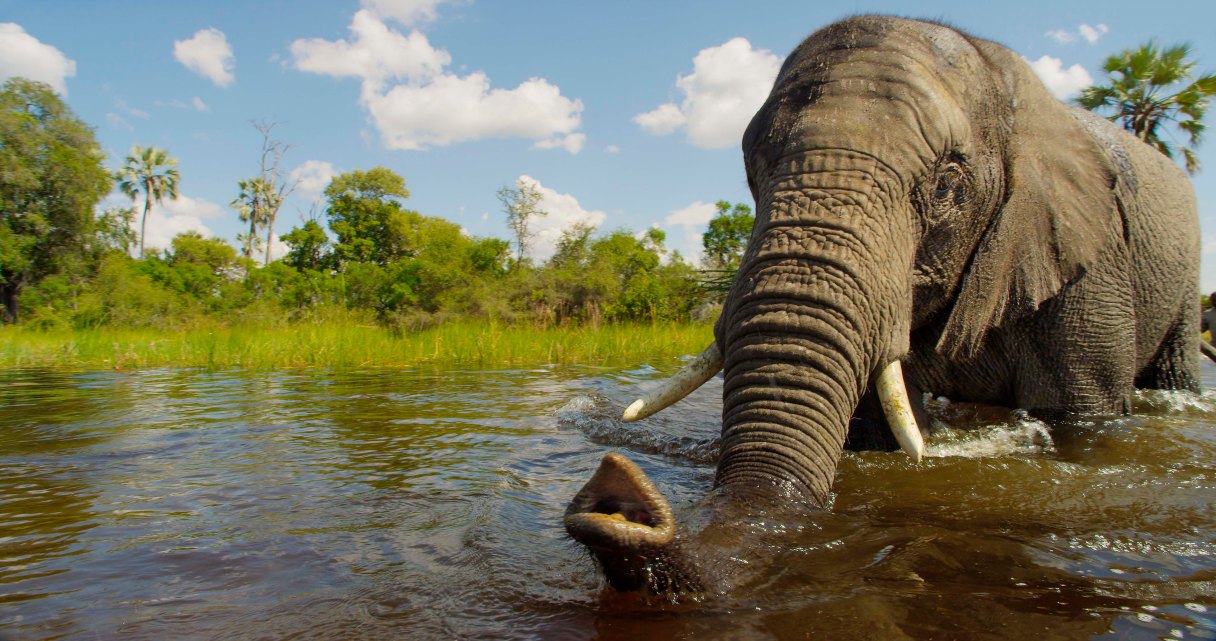
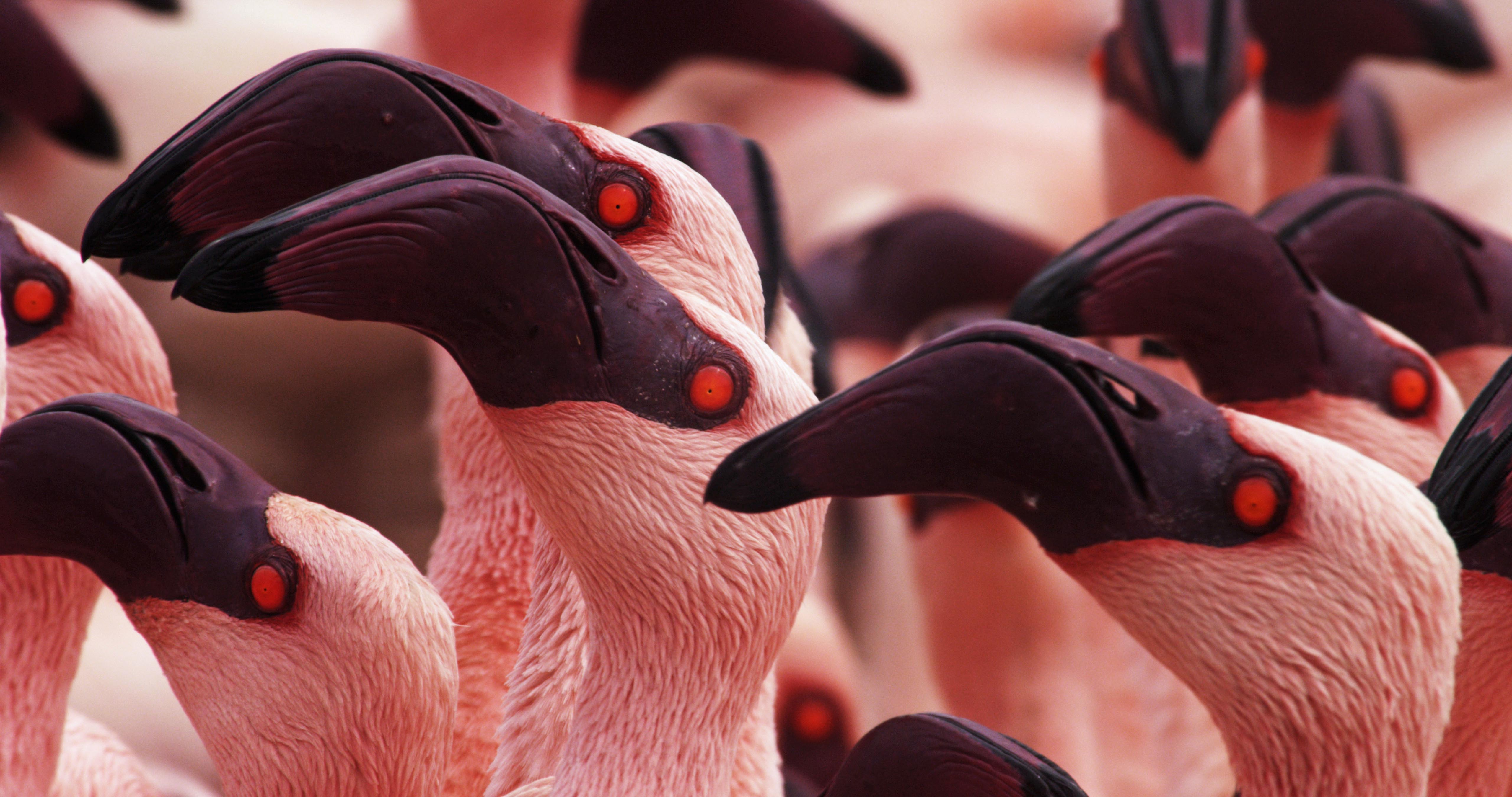
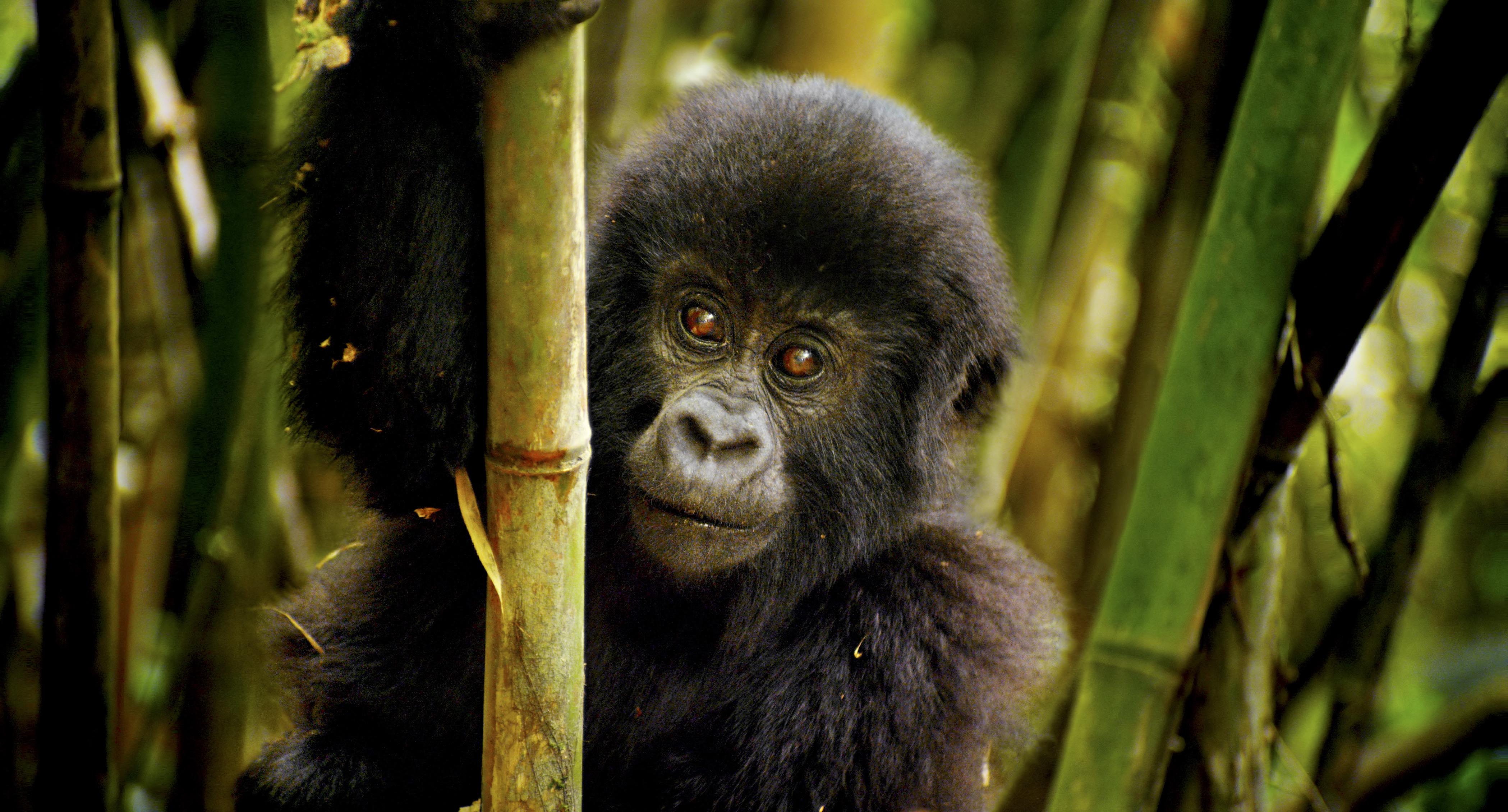
Through the magic of 3D technology, the audience will explore the twisting rivers of the Great Rift Valley to discover a family of elephants on their epic search for water, encounter hungry crocodiles as they wait at water holes for the annual wildebeest migration on the savannahs of the Serengeti, peek in on a family of mountain gorillas in the misty forests of Rwanda and be awed by an extraordinary mating display by thousands of flamingos along the shores of the volcanic Lake Bogoria.
In a final epic giant-screen experience, the movie chases the great rains of the African summer storms that annually bring life to the continent.
The crew captured footage in 30 locations, transporting tons of camera equipment across 13 countries, over the course of nearly two years.
“Our aim with ‘Wild Africa’ was the most ambitious ever 3D wildlife photography for the giant screen,” says co-director and producer Neil Nightingale. “We want to transport audiences on a thrilling journey through Africa to discover how water shapes all life. We filmed in the toughest wild locations using a whole range of photographic techniques to put giant-screen audiences right in the heart of some of the most awesome landscapes and dramatic wildlife on Earth.”
Just as the aquarium illustrates to guests the vast network of animals and environments impacted by the path of a single drop of water, “Wild Africa 3D” will offer a similar journey showing how life flourishes wherever fresh water exists.
“We live in one of the most biodiverse areas on the planet because of the geology and climate of the watersheds across the Southeast,” says Dr. Anna George, director of the Tennessee Aquarium Conservation Institute. ” This film affords us an opportunity to view how fresh water, moving from the mountains to the sea, has also shaped the ecological communities on another continent.”