
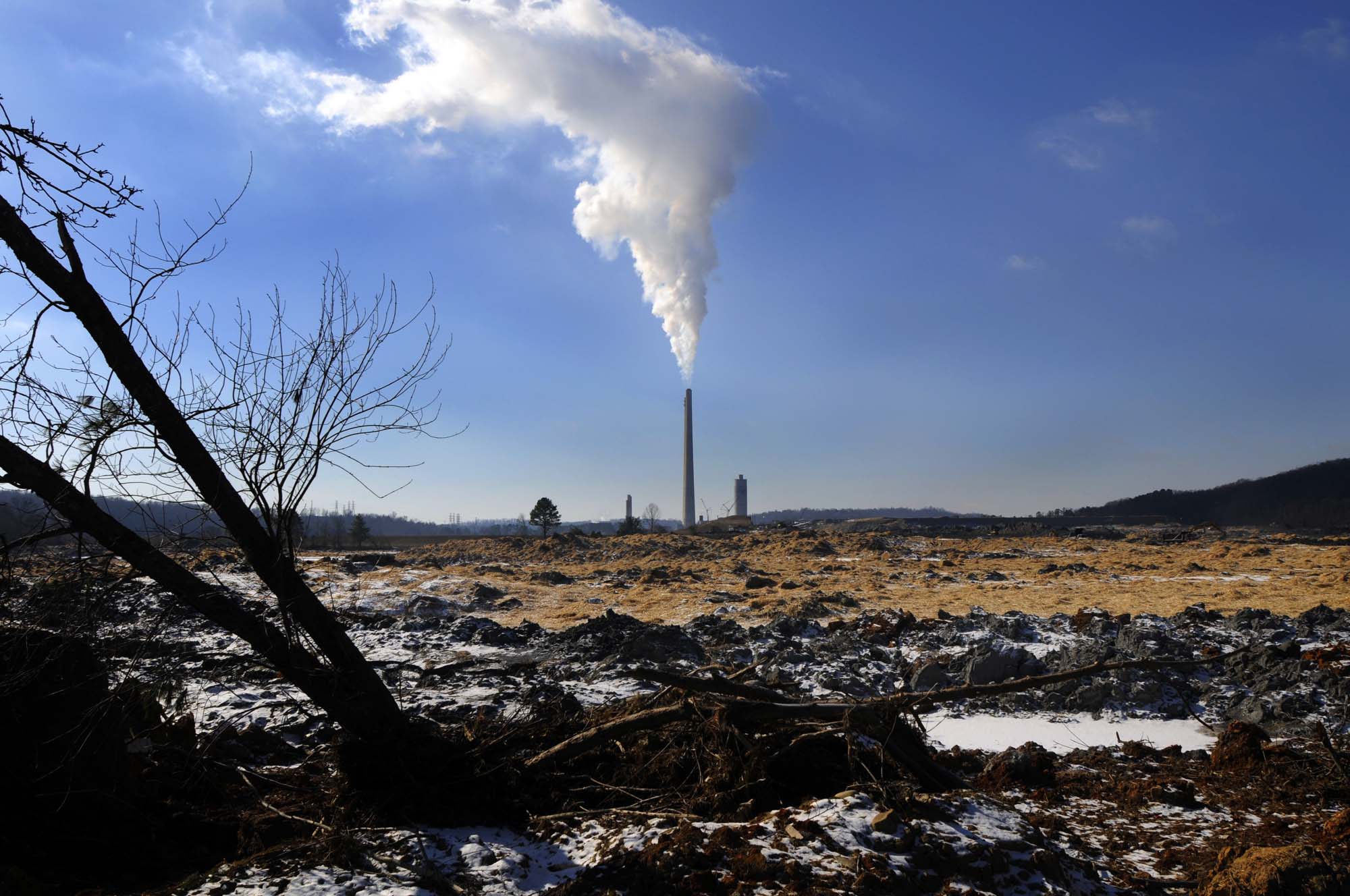
The 1.1 billion gallons of toxic sludge that flowed into the Emory and Clinch rivers from a ruptured coal ash pond at the Kingston Fossil Plant in 2009 has been cleaned up and most of it removed to a landfill in Alabama.
But in the wake of America’s worst coal ash spill, the Tennessee Valley Authority and other utilities still are having to clean up other coal ash sites to meet new federal regulations adopted after the Kingston disaster.
TVA, which was forced to spend more than $1 billion to clean up the ash spill at its Kingston coal plant, plans a cheaper alternative to closing coal ash ponds at its other coal facilities.
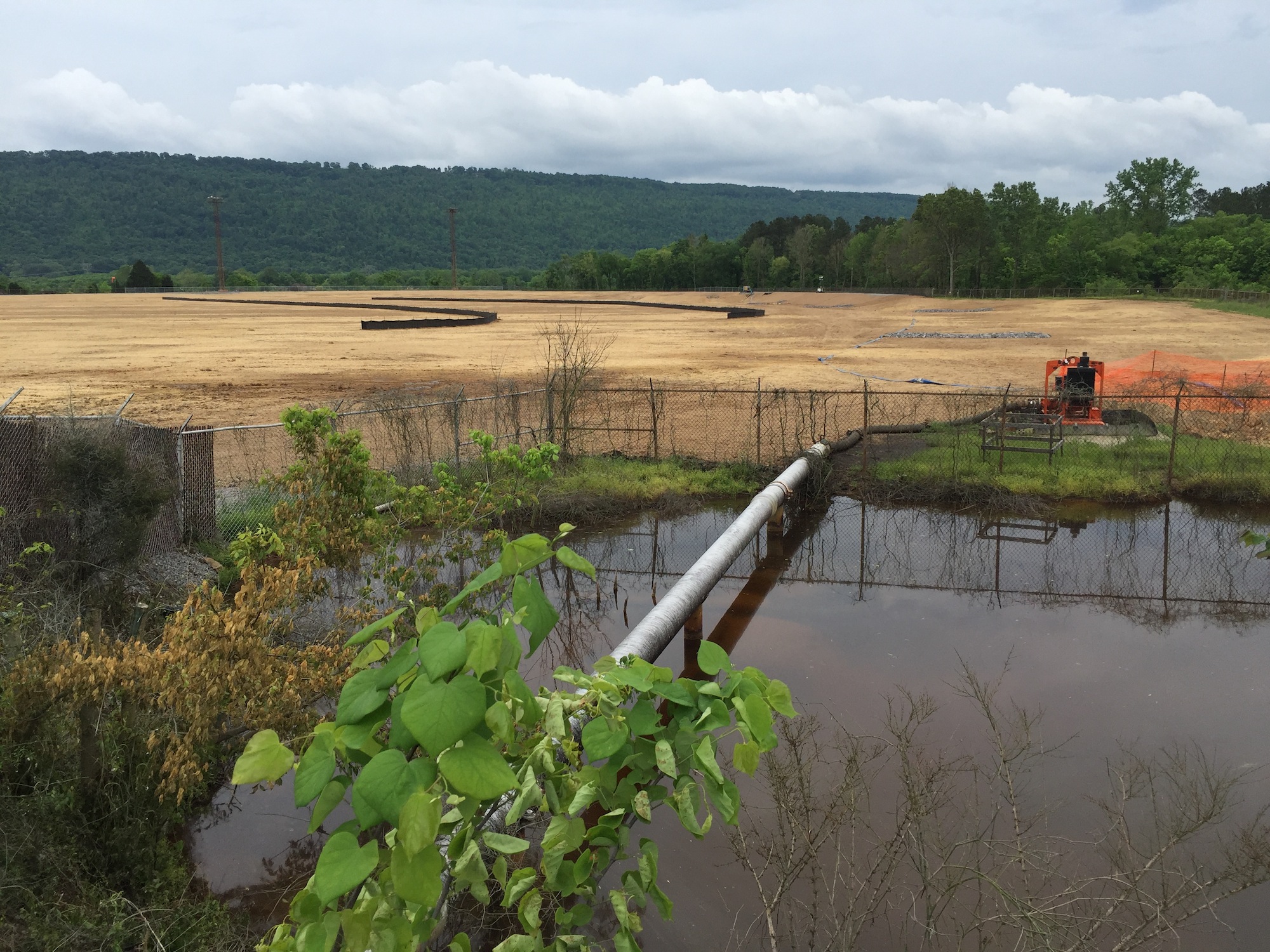
In its final environmental impact study released this week, TVA said it plans to spend $280 million and take up to 2.7 years to close and cap 10 coal ash ponds at a half dozen of its coal plants where the utility used wet ash storage.
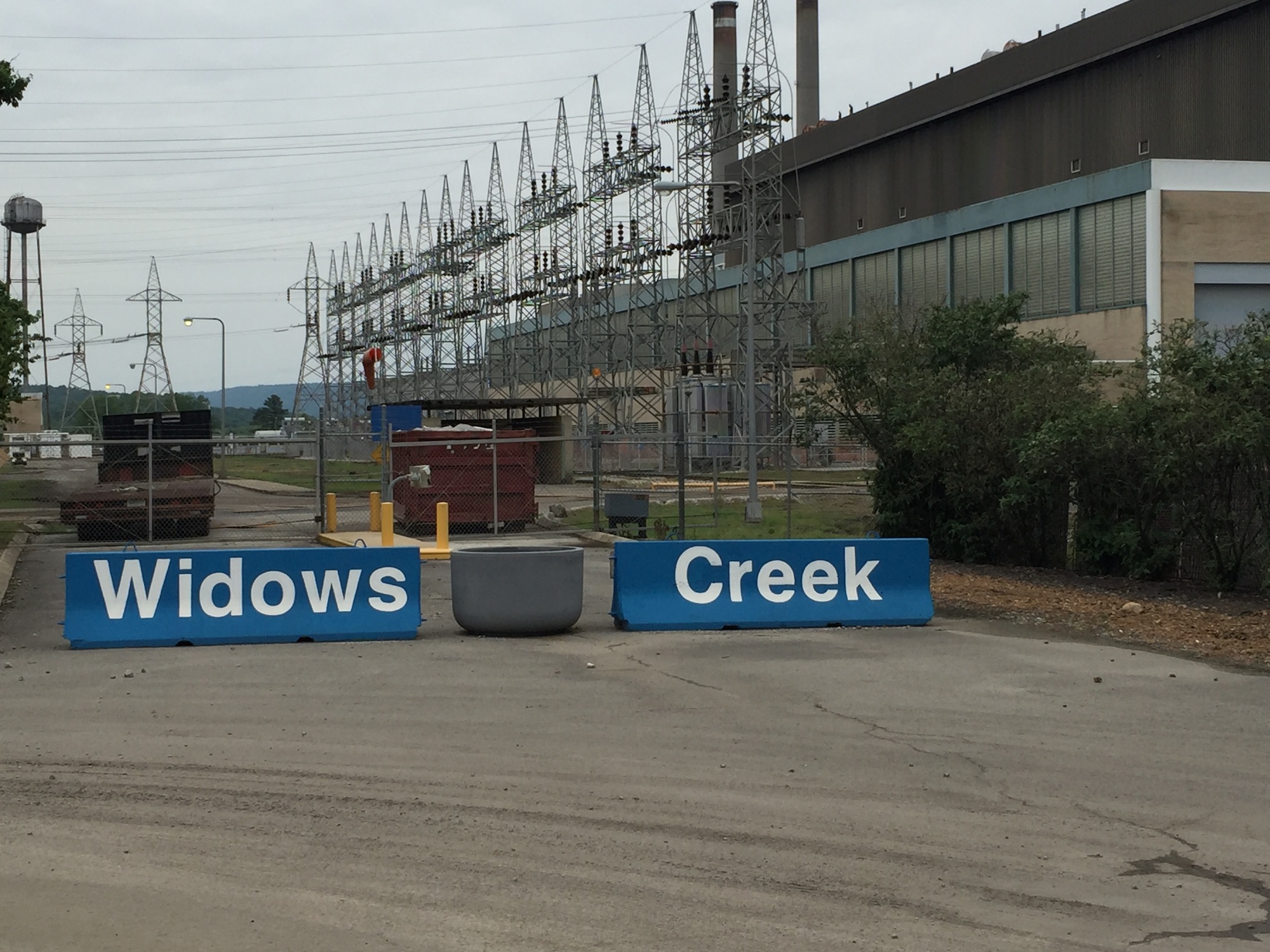
TVA estimates closing and removing the coal ash from those sites would be more than 10 times as expensive, costing more than $3 billion and likely raising TVA electric rates to cover the expense. TVA’s study projects it would take 84 years to remove all the coal ash from Widows Creek by rail and more than 170 years to remove the ash from the shuttered Widows Creek coal plant by truck.