
Friday, October 30, 2026Oct 30

This story is free to read.

Study: ‘Obamacare’ repeal-only would make 30M uninsured

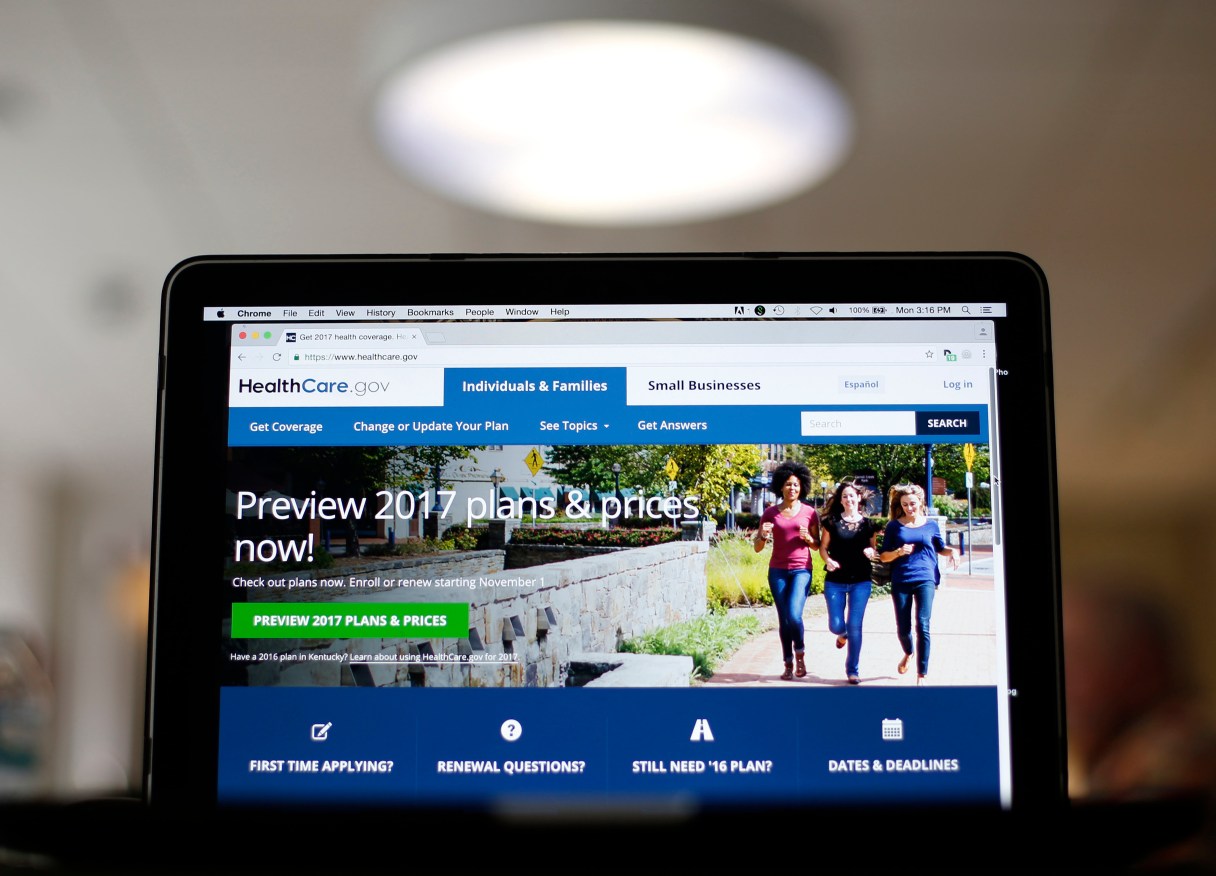
FILE - In this Oct. 24, 2016, file photo, the HealthCare.gov 2017 web site home page as seen in Washington. Repealing President Barack Obama’s health care law without a clear replacement risks making nearly 30 million people uninsured, according to a study released Dec. 7. Republicans say that won’t happen because they are working on replacement legislation for a President Donald Trump to sign. Nonetheless, the complex two-stage strategy the GOP Congress is contemplating has raised concerns.(AP Photo/Pablo Martinez Monsivais, File)
FILE - In this Oct. 24, 2016, file photo, the HealthCare.gov 2017 web site home page as seen in Washington. Repealing President Barack Obama’s health care law without a clear replacement risks making nearly 30 million people uninsured, according to a study released Dec. 7. Republicans say that won’t happen because they are working on replacement legislation for a President Donald Trump to sign. Nonetheless, the complex two-stage strategy the GOP Congress is contemplating has raised concerns.(AP Photo/Pablo Martinez Monsivais, File) FILE - In this Oct. 24, 2016, file photo, the HealthCare.gov 2017 web site home page as seen in Washington. Repealing President Barack Obama’s health care law without a clear replacement risks making nearly 30 million people uninsured, according to a study released Dec. 7. Republicans say that won’t happen because they are working on replacement legislation for a President Donald Trump to sign. Nonetheless, the complex two-stage strategy the GOP Congress is contemplating has raised concerns.(AP Photo/Pablo Martinez Monsivais, File)

WASHINGTON (AP) – Repealing President Barack Obama’s health care law without a clear replacement risks making nearly 30 million people uninsured, according to a study released Wednesday.

Republicans say that won’t happen because they are working on replacement legislation for a President Donald Trump to sign. Nonetheless, the complex two-stage strategy the GOP Congress is contemplating has raised concerns.

The plan is for Congress to first use a special budget-related procedure to repeal major portions of the Affordable Care Act, or ACA, next year. The effective date of that repeal would be delayed by months or years to give lawmakers time to write replacement legislation.

The replacement law would presumably do many of the same things that “Obamacare” does, such as subsidizing coverage and protecting people with health problems. But it would not involve as much federal regulation, and it would eliminate a highly unpopular requirement that most Americans get health insurance or face fines.

Wednesday’s analysis from the nonpartisan Urban Institute looks at a scenario where “repeal” goes through, but “replace” stalls. It predicts heavy collateral damage for people buying individual health insurance policies independent of government markets like HealthCare.gov. Though nonpartisan, the Urban Institute generally supports the goal of extending coverage to all Americans. Previously it has criticized some of the subsidies provided under Obama’s law as insufficient.