
FREEDMEN’S TOWN, Texas (AP) – When Afghanistan War veteran Joseph Smith saw NFL players take a knee or raise a fist during the playing of the national anthem last month, he wasn’t offended – he was proud. Where some saw it as disrespectful, he saw it as patriotic.
“It’s not an insult against the flag. It’s a stand up of your beliefs,” said Smith, 32, a black community activist in Houston’s historic Freedmen’s Town, a neighborhood settled by emancipated slaves after the Civil War.
A silent protest against police brutality, started last year by then-San Francisco 49ers quarterback Colin Kaepernick, has evolved into a statement about patriotism and the nation’s symbols, drawing some heated responses – including from President Donald Trump, who referred to an NFL player making a gesture during “The Star-Spangled Banner” as a “son of a bitch” who should be fired.
But for some people of color, patriotism goes beyond standing up for an anthem or a pledge and encompasses many feelings – including protest. Criticism of that expression of patriotism, they say, is sometimes cloaked in racism.
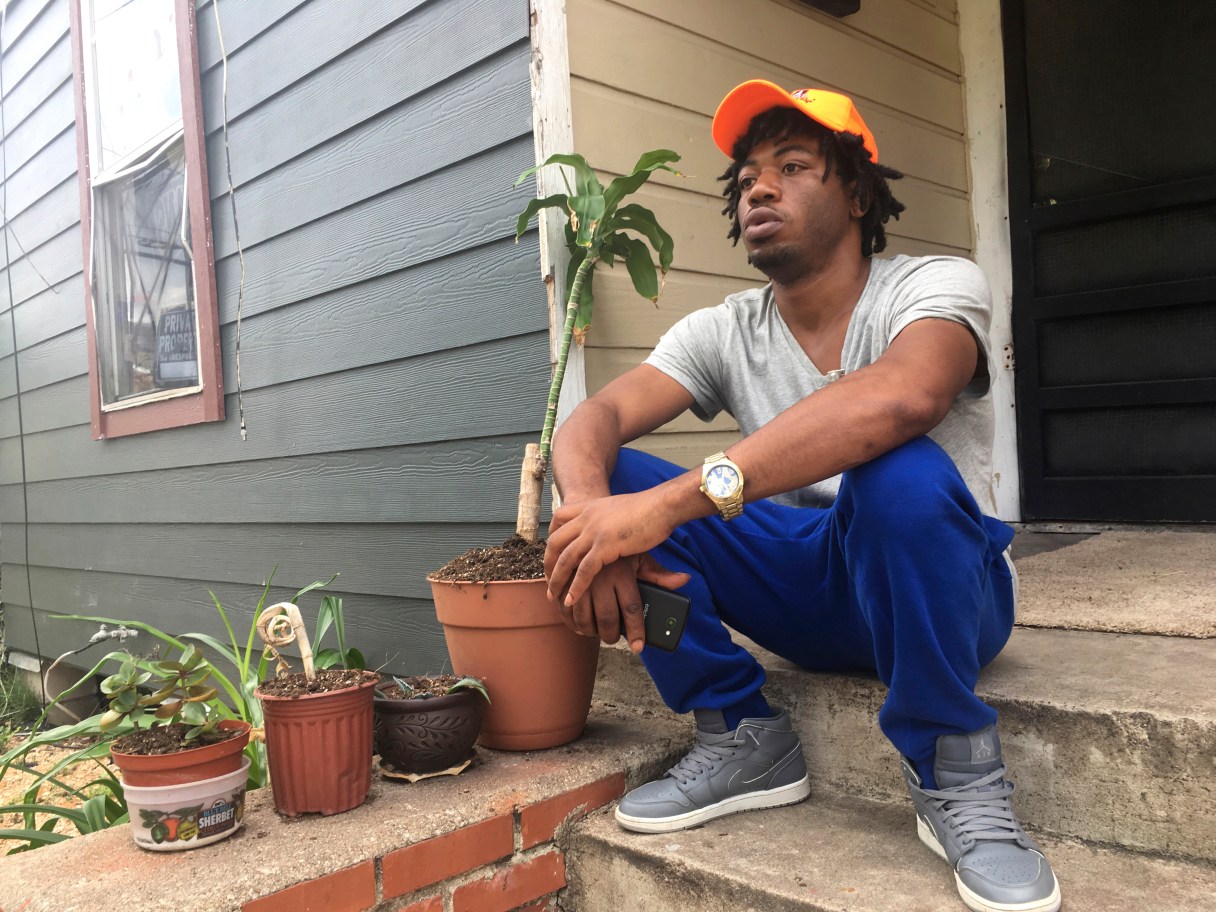
“By Colin Kaepernick taking a knee for the purpose that he’s taking a knee for … if the president doesn’t respect that then he doesn’t respect our people at all,” said J. Cain, 25, a black Freemen’s Town resident.