
CLEVELAND, Tenn. – Bradley County leaders are weighing legal options on a claim that the City of Cleveland owes the county school system nearly $1 million in previously distributed liquor tax revenues.
In July, Chancellor Jeri S. Bryant ruled in favor of Cleveland in a Bradley County Schools lawsuit seeking a portion of the liquor-by-the-drink revenues the city has allocated solely to Cleveland City Schools for more than 30 years.
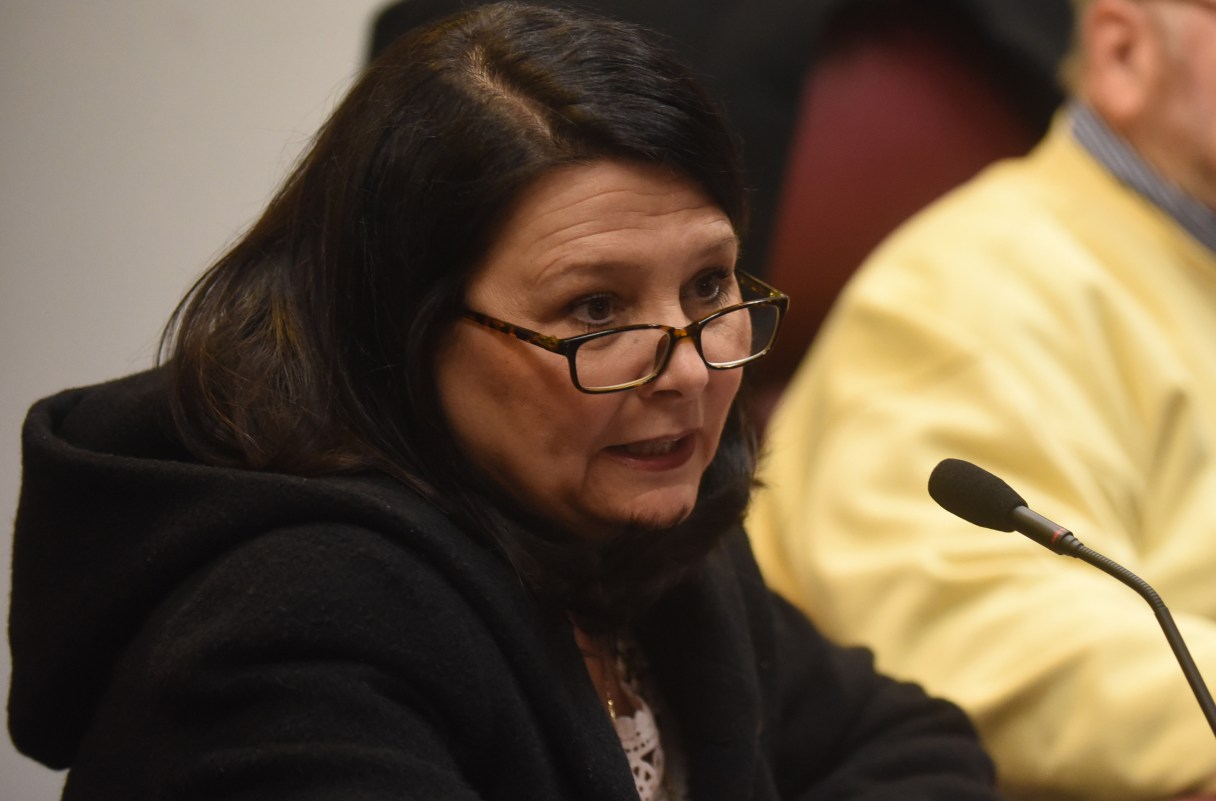
In an Oct. 19 meeting with Bradley County commissioners, school board member Dianna Calfee said the Bradley County Board of Education would consider whether to appeal the chancery court decision on Nov. 10.
During that meeting, the Bradley County Commission voted 8-6 to postpone a proposal by Commissioner Thomas Crye to appeal Bryant’s ruling. Bradley County is a party to the original lawsuit initiated by the Bradley County Board of Education in 2014.
Before the vote, Calfee expressed support for allowing the school board to make the next move.
“I would appreciate if there is any possible way for you to wait until after Nov. 10, because we do want to work in collaboration on this,” she said.
Commissioners Milan Blake, Terry Caywood, Bobby Goins, Mark Hall, Johnny Mull, Charlotte Peak, Dan Rawls and Bill Winters voted to delay consideration of an appeal.
“I think it would be prudent that we first make sure that the school board is going to move forward,” Rawls said. “I don’t think that until we have confirmation from them that they want to move forward that we need to even address this issue.”
Bradley County Commission Chairman Louie Alford, Commission Vice Chairman Jeff Yarber and commissioners Crye, Mike Hughes, Robert Rominger and Howard Thompson voted against delaying the matter.
Thompson recommended getting the issue “up front,” while Yarber asked commissioners to vote to appeal the court ruling contingent upon the school board’s approval.
In a related issue, an official ruling is pending on whether liquor revenues collected before a 2002 Cleveland referendum to allow liquor sales by the drink might be awarded to the county school system.
These revenues, generated by sales at private clubs over a 20-year period, account for less than 20 percent of the total liquor consumption revenues in question.
The litigation is fueled by conflicting interpretations of a state code governing the distribution of revenues collected for the sales of liquor consumed on premises.
The code states that 50 percent of liquor consumption proceeds allocated to the local government body must be “expended and distributed in the same manner” as county property tax is expended and distributed for schools.
Cleveland has held the position that since it operates a school system separate from the county, it does not owe those revenues to the county school system.
Paul Leach is based in Cleveland. Contact him at paul.leach.press@gmail.com.