
Here’s a hypothetical question: Suppose Congress, in it’s new $1.9 trillion coronavirus stimulus law known as the American Rescue Plan, included a $350 billion pot of money to help cash-strapped cities, counties and states pay for pandemic costs. And suppose congressional lawmakers added a provision restricting states from using these funds in other ways – like tapping them to finance local tax cuts.
Actually, you don’t have to “suppose.” These things are already enshrined in the newly passed and signed American Rescue Plan.
Now suppose some states – read here 21 Republican controlled states – decided they didn’t like that guardrail and already are scheming to use the virus relief money in another way. Suppose they didn’t plan to pay for extra health department costs to distribute vaccines or for extra unemployment benefits for tens of thousands who lost jobs and income, or even for health care expansions under Medicaid when those lost jobs also meant lost private insurance. Suppose they instead still want to use the charity intended to benefit us to bolster state general funds so they might curry future election favor by saying they lowered state and local taxes?
Actually you need not “suppose” this either. These GOP states want the money, but not the rules.
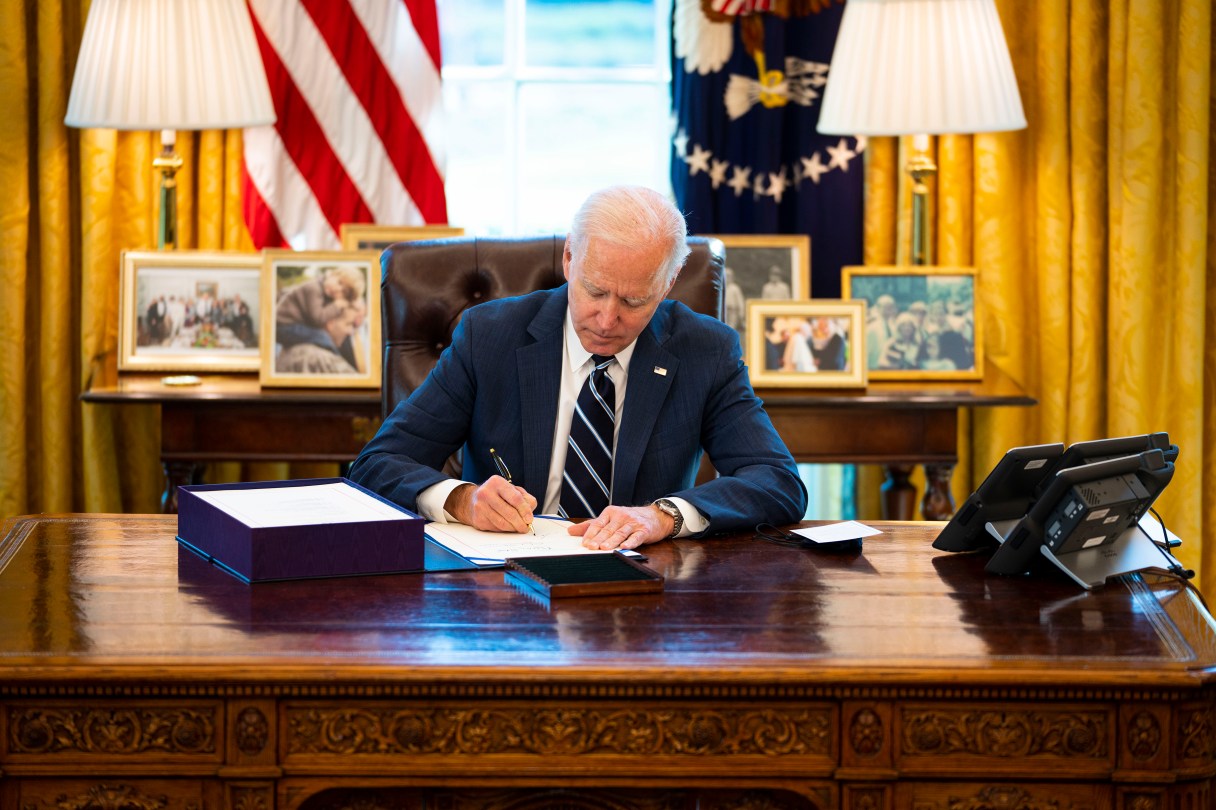
On Tuesday, just five days after President Biden on March 11 signed the relief/stimulus bill into law, 21 Republican state attorneys general threatened to take action against the Biden administration, claiming it imposes “unprecedented and unconstitutional” limits on their states’ ability to lower taxes.