
Monday, November 16, 2026Nov 16

Gang violence, fears for children fuel rush to US

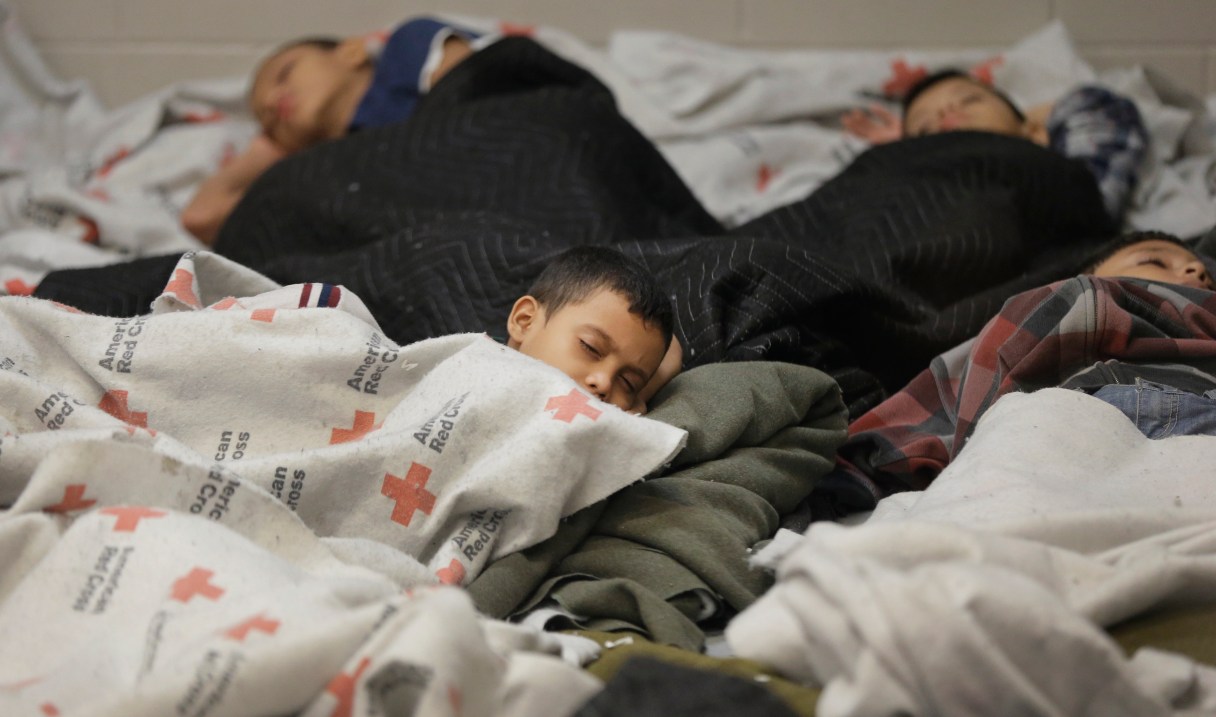
FILE - In this June 18, 2014, file photo, detainees sleep in a holding cell at a U.S. Customs and Border Protection, processing facility in Brownsville,Texas. Many of the immigrants recently flooding the nation’s southern border say they’re fleeing violent gangs in Central America. These gangs were a byproduct of U.S. immigration and Cold War policies, specifically growing from the increase in deportations in the 1990s. With weak dysfunctional governments at home, U.S. street gang culture easily took hold and flourished in these countries. (AP Photo/Eric Gay, Pool, File)

LOS ANGELES (AP) – Many immigrants flooding across the southern border of the U.S. say they’re fleeing violent gangs in Central America.

Experts, however, say those gangs are actually a byproduct of U.S. policies in the 1990s that sent many immigrants back to Central America after they had been indoctrinated into gang culture in this country.

The violence they took with them easily took hold and flourished in El Salvador, Honduras and Guatemala – countries with weak, dysfunctional governments.

A few things to know:

WHERE DO CENTRAL AMERICAN GANGS COME FROM?