
 Jig.
So, you’ve decided to cast a line and see what gets hooked (fish-wise). Great! However, the world of fishing is vast, and sometimes difficult to navigate. What kind of rod is suited for you? What style of fishing are you interested in? What are the differences between lures? What are the benefits to live bait?
These are just a few of the dozens of questions you might be asking yourself before diving in, metaphorically. Chattanooga’s fishing scene is one of the most vibrant in the Southeast, so you’ve picked a great place to start. We’ve loaded this guide with tips, gear and more to help get you started in the wide, open sea of fishing.
A Way to Wade In
While fishing can be just a matter of patience, your chances of success are greater as you develop your skills.
If you’re looking for more personalized help than could be contained in these pages, there are a number of local guides willing to show you the ropes.
Chattanooga State is even offering a new Introduction to Fly Fishing course this April open to the community at large.
Check out:
* chattanoogafishingguides.com
* chattanoogastate.edu/community-education
Another way to get more individualized help is simply joining the community conversation at chattanoogafishingforum.com/index.asp.
At the End of Your Line
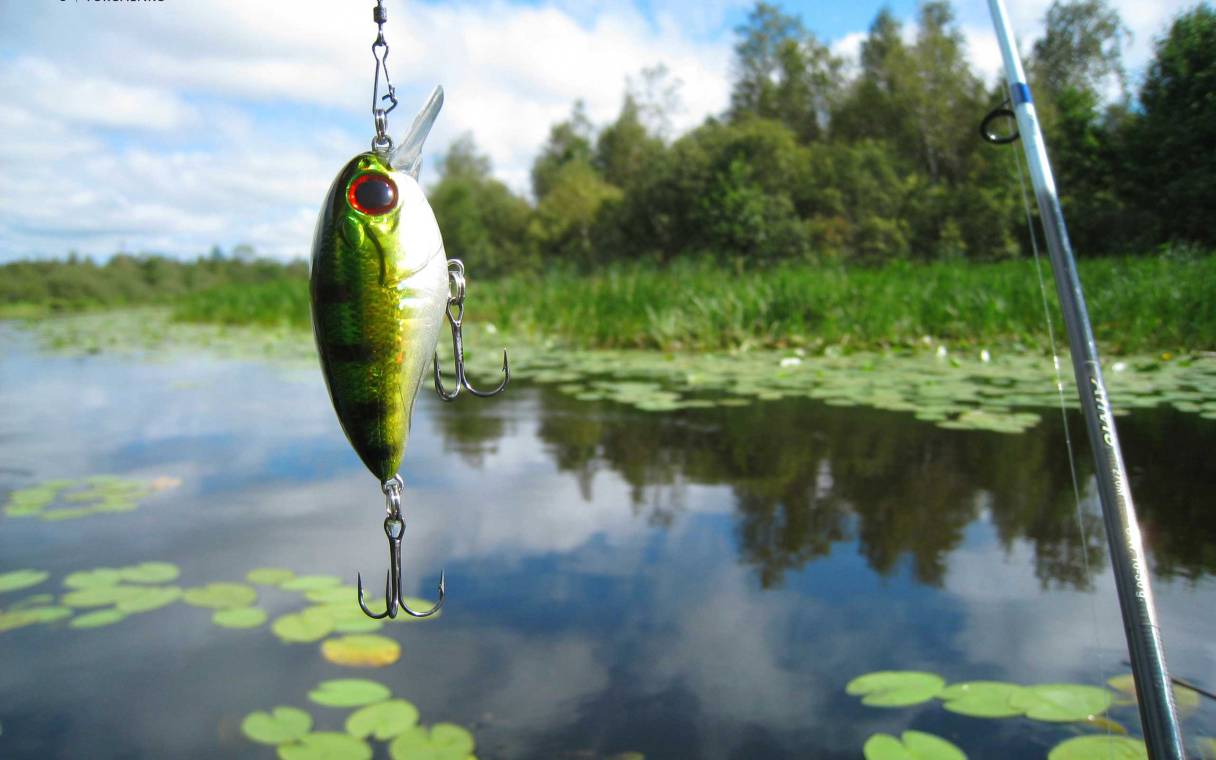
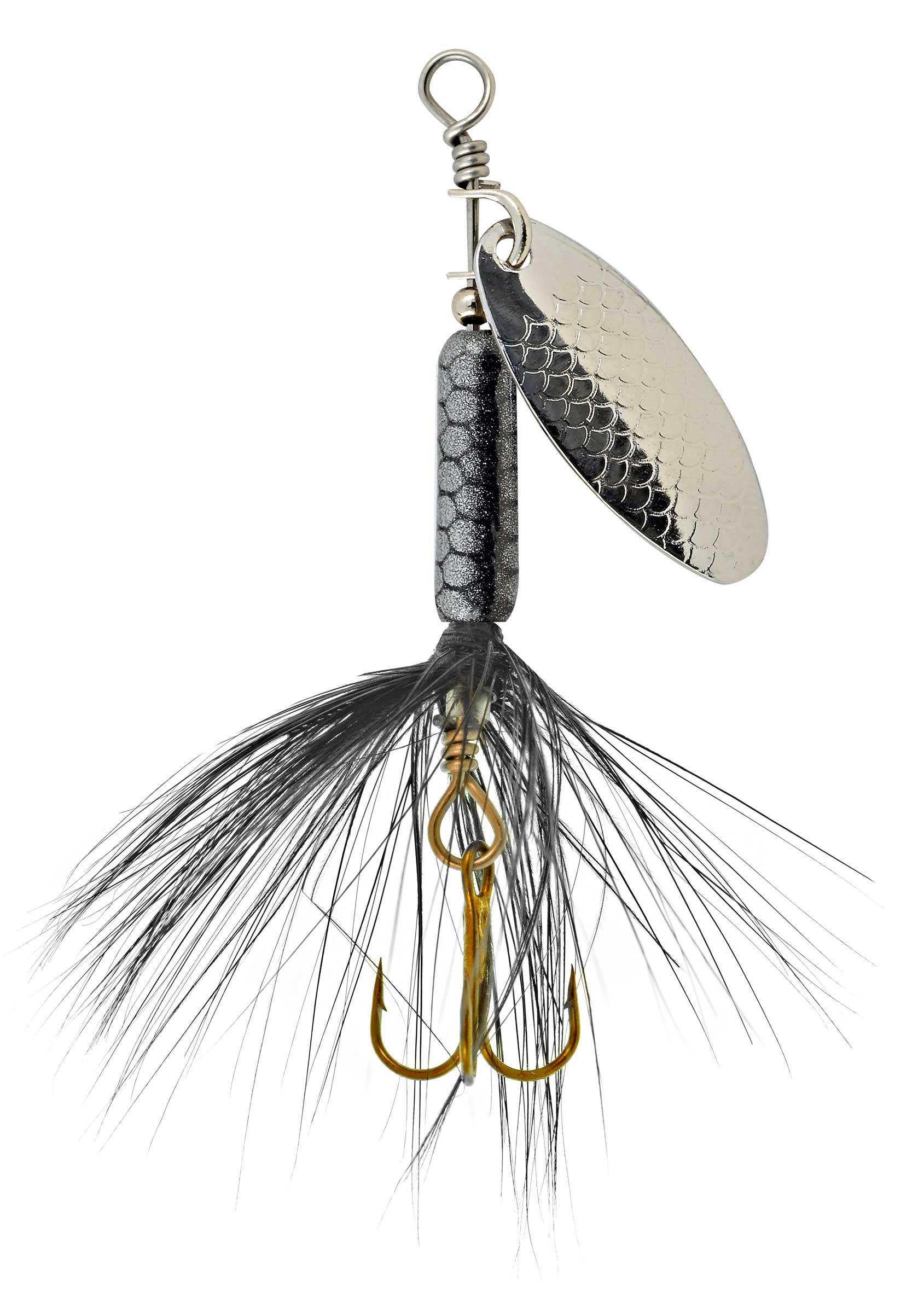
One of the most important parts of a day spent fishing is deciding on your lure. Venturing into a tackle shop, the sheer number and variety of different lures can be intimidating. Thankfully, they’re all fairly straightforward, and it’s easy to determine what you need based on what you’re hoping to catch and the conditions or time of day. Here’s a quick rundown of the different kinds. With these, you won’t necessarily need to add the expense of bait.JIGSBest when: Fish are at the bottom during the heat of the day or when they’re otherwise inactiveThe jig is a classic for a reason: It’s easy to use successfully, while still offering a challenge as you gain experience, it’s inexpensive and works for a variety of fish. A jig can be used to catch just about any type of fish you’re after, provided you’re skilled enough with it to make it mimic the movements of prey. The way a jig works is simple. Jigs feature a small, weighted head at the front and something flashy at the back, whether that’s string, feathers or even live bait. They come in a rainbow of colors and a variety of weights and sizes.Using a jig expertly takes time and experience. When casting a jig, let it sink to the bottom, then slowly and repeatedly jerk it back toward you. This is known as the presentation. The size and speed of the jerk are completely dependent on you, and should change to reflect what’s working and what isn’t. Actually landing a bite will require your full attention: A nibble could be a subtle twitch in the line. Practice will make perfect with this lure. Figuring out what style or size best fits your needs and the fish you’re after are what makes this lure anything but simple.SPINNERSBest when: Fishing in murky, muddy waterWhile jigs are straightforward to use but can pack a sea of complexity depending on your skill, with spinners, what you see is what you get, making them perfect for new anglers. Spinners feature a plastic host, a hook and a thin metal blade which spins while it is dragged through the water. You can opt to bait the hook or leave it bare. With spinners, the presentation couldn’t be easier. Just cast and reel back. The spinning of the metal blade creates noise and vibrations through the water which help direct the fish to your line.Keep in mind, different fish are attracted by different sizes of the metal blade on the spinner. The larger the blade’s size, the more distortion and noise it will create in the water, simulating larger and larger bait. For example, bass prefer a medium-sized blade, while large fish like pike and muskies would go after a large spinner. Ask your local bait shop or inquire online about what kind of spinner the type of fish you’re after would prefer.SPOONSBest when: Water visibility is highSpoons are similar to spinners in their simplicity, though they differ in their application. Spoons are, like the name implies, shaped like spoons, with a concave piece of metal with a hook attached to one end. While spinners are designed to create noise and vibration when reeled in, spoons are designed to wobble in the water, as well as reflect light toward potential predators, mimicking an injured bait fish. Their effectiveness falls off in murky water.To use this style of lure, just cast and reel it in at a brisk pace. Varying your speed can be helpful, just make sure you don’t go too fast or the spoon will start to spin, a dead giveaway to whatever you’re hunting that this is no bait fish. Because spoons are trying to imitate small fish, they are particularly effective at catching larger predatory fish, such as largemouth bass. If the lake or river you’re aiming to fish in is particularly weeded or heavy with vegetation, look into weedless spoons, which are designed to reduce snags on greenery.PLUGSBest when: Fish are active and hungry (dawn and dusk)Plugs have been around for decades. The first plugs were carved from wood to replicate the look and feel of a bait fish swimming near the surface of the water. Since then, plugs have become incredibly diverse. There are plugs designed to mimic frogs, snakes, small rodents, insects and anything else that predatory fish might find appetizing. There are plugs designed for deeper water or subsurface fishing, but the most common plugs are designed to be quickly reeled in while at five or fewer feet under the water. Surface plugs work best when the fish are active and moving, so look for water that is warm and calm. Lightweight minnow plugs that float when not moving are very common, and are perhaps the first you should look to add to your tackle box. They come in a wide array of colors, but you can’t go wrong with black. Black is visible when the water is clear and the sun is up, but also provides a silhouette for the fish to notice when it’s darker out.____________With all these lures, remember that one single method of casting will never be sufficient. Make sure you mix things up if nothing is biting. Perhaps throw a small twitch or pause when reeling in your spinner, or vary speeds when bringing in a plug. Innovation isn’t just the mother of invention, it’s also related to landing a great catch.____________LIVE BAITDespite a veritable smorgasbord of different lure types, using live bait on a simple hook can still be more than sufficient. There’s a reason running through the grass looking for grasshoppers or digging through the mud on the shore looking for worms are common memories of fishing as a youngster, as evidenced in yellowing photos of a fish on a line held up next to a smiling young face. While every live bait type has its own advantages and disadvantages, the most useful tip is to use something native for the fish you’re after. Bait shops are usually stocked with local bait, but it never hurts to check. All fish are much more inclined to go after bait they’re familiar with, so hooking your line with something foreign to the area is rarely a good call.
When it comes to rods, there are a few things that make some better than others, but for getting started, your primary concern should be your budget. While they’re not one size fits all, the fishing you can do around Chattanooga doesn’t require anything out of the ordinary in this department. Just go with what you feel most comfortable.
Reels are similar in this regard, but there are a few more considerations. Don’t worry: While they may look complicated, they’re not, especially once you familiarize yourself with them.
SPINCASTER REELS
This is the reel with which people are perhaps most familiar. If you ever went fishing as a child, your rod probably featured one of these. Spincast reels have a closed face; all the important bits are inside the case. The reel rests on top of the rod, and although many kids learn on this reel, in no way is it entirely for children. Spincasters are designed to be easy to use: Just press the button on the top of the reel as you pull back, and release as you cast. Reel in once to re-engage the line and you’re good to go. The downside to the simplicity spincasters offer is less control and accuracy with your casts. However, as you’re learning, spincasters are a fine choice.
SPINNER REELS
Any time you go out on the water, there’s a good chance you’ll see a lot of these open-faced reels. Spinner reels are affixed below the rod, and have a bail which controls whether you can cast or reel in. To cast, open the bail and hook the line with your index finger next to the rod. As you go through the overhead casting motion, release the line that was held by your finger and the weight of the lure will pull the line out. To reel your line back in, just close the bail and start reeling. Spinners offer more control with your line, and work better with heavier lures than spincasters. They’re also capable of holding quite a bit of line, so consider using this reel when several hundred feet of line might be needed. Since there is more of a trick to casting spinners, taking some time to practice casting might be a good idea before heading out on the water.
BAITCASTER REELS
Baitcasters are the most challenging of the traditional reel setups, but offer unparalleled control and accuracy with your casts. Designed for optimal use with heavy lures and lines, a baitcaster will give you the most distance out of any reel and let you land bigger fish than its counterparts. Baitcasters are positioned above the rod similarly to spincasters, but have an opening at the top for your thumb. The control of the line is entirely on you; the spool moves as the line is being cast, so stopping the line with your thumb right as the lure hits the water is paramount. Forgetting to stop the line can (and will) lead to a messy tangle of loose line around your reel, but stopping it too early will leave you short of your target. Practice makes perfect with these reels, so don’t get frustrated if you find them to be a challenge at the beginning.
______________
CONVENTIONAL REELS
If you’re just starting out, you probably don’t need to worry about conventional reels for a while, but if the opportunity to go ocean fishing arises it will help to know about them. They’re not too different from baitcasters aside from their size and weight — a conventional reel is basically just a baitcaster that’s been scaled up at least 50 percent. Able to hold several hundred yards of heavy-duty line, conventional reels are most often used to haul in the biggest of the sea, such as marlin, tuna or shark. These reels have a lever that, once engaged, puts the reel into free-spin to enable casting. Like baitcasters, the weight of the lure and line are what pulls it to your target. Due to conventional reels’ weight, you may have to apply some pressure with your thumb as the line is in the air. Then, right before the lure hits the water, firmly press down with your thumb to stop the reel and flip the lever to pull the reel out of free-spin mode. Conventional tackle is by far the most challenging reel to use properly. Unless you’re aiming to land the big one out on the open ocean, you shouldn’t really need one.
Finding the Spot
If you feel like you’re ready to get out on the water, you’ve got a multitude of spots from which to choose. Chattanooga and Southeast Tennessee have some of the most diverse waters in the world.Between all our rivers, streams, lakes and tributaries, it may be a little difficult to figure out where the best spots in the area are. Here’s a quick rundown of some of the prime real estate for anglers, from the Cumberland Plateau down to the Georgia border.LAKE CHICKAMAUGALake Chickamauga, due in no small part to the dedicated restocking and environmental protection projects by local Chattanoogans, has grown into a famed spot for bass fishing. People come from all over the country and even overseas to fish its waters. If you get more interested in the sport side of fishing, local and national tournaments are routinely held on the lake. Bass aren’t the only fish you can expect to find here. Keep an eye out for blue and channel catfish, crappie and sauger. Regardless of what you’re aiming to land, the lake is healthy and the fish plentiful, so it makes an excellent spot for newer anglers.CHICKAMAUGA DAMThe rough, churning man-made rapids below the lower half of the Chickamauga Dam keep the fish alert, active and hungry, making it a perfect spot to cast out a line. Bass are especially present here, so casting a jig lure with their favorite local minnows as bait should result in some bites. However, just like with the similarly named lake, bass aren’t the only fish to keep an eye out for. Walleye is also a relatively common find in the dam’s waters, and trophy-sized blue catfish prowl the lower depths where the water has calmed down. Anytime you get a bite on your line by the dam, there’s a chance you’ve hooked a 50-pound monster catfish or bigger, so treat every nibble like it counts.SEQUATCHIE RIVERThe Sequatchie River winds down from Crossville until it flows into and merges with the Tennessee River, and provides an excellent first foray into wading and fishing or small-craft fishing. There are dozens of put-in spots throughout the length of the river, so if you’re a paddler and want to give fishing a try, the Sequatchie has you covered. Bass, bluegill and crappie are the common finds here, although you may find yourself with the occasional channel catfish or even trout on your line, so stay vigilant. Putting in north of where the river spills into the Tennessee will let you cruise downstream and makes for quite the relaxing afternoon. Keep in mind that some of the river is only accessible by private property, so plan out your route ahead of time.NICKAJACK LAKEThe Nickajack Reservoir and the Tennessee River Gorge offer some of the most beautiful scenery Appalachia has to offer, and feature some incredible fishing. The gorge has dozens of small islands and outflows that dot the waters of the river, providing plenty of spots for anglers to find a fishing spot all their own. The reservoir and gorge feature several different species of bass and panfish, as well as blue catfish similar in size (big!) to those found at the Chickamauga Dam. Guided bass and catfishing tours are commonplace along the waters, giving would-be anglers the ability to fish with and learn from an expert for a day. If fishing from a boat is more your speed, there are plenty of put-in spots along the shores of the lake and river, giving you ample opportunities to take in the sights while you land the big one.