
Sunday, November 1, 2026Nov 1

This story is free to read.

Panel recommending changes to military health care, benefits

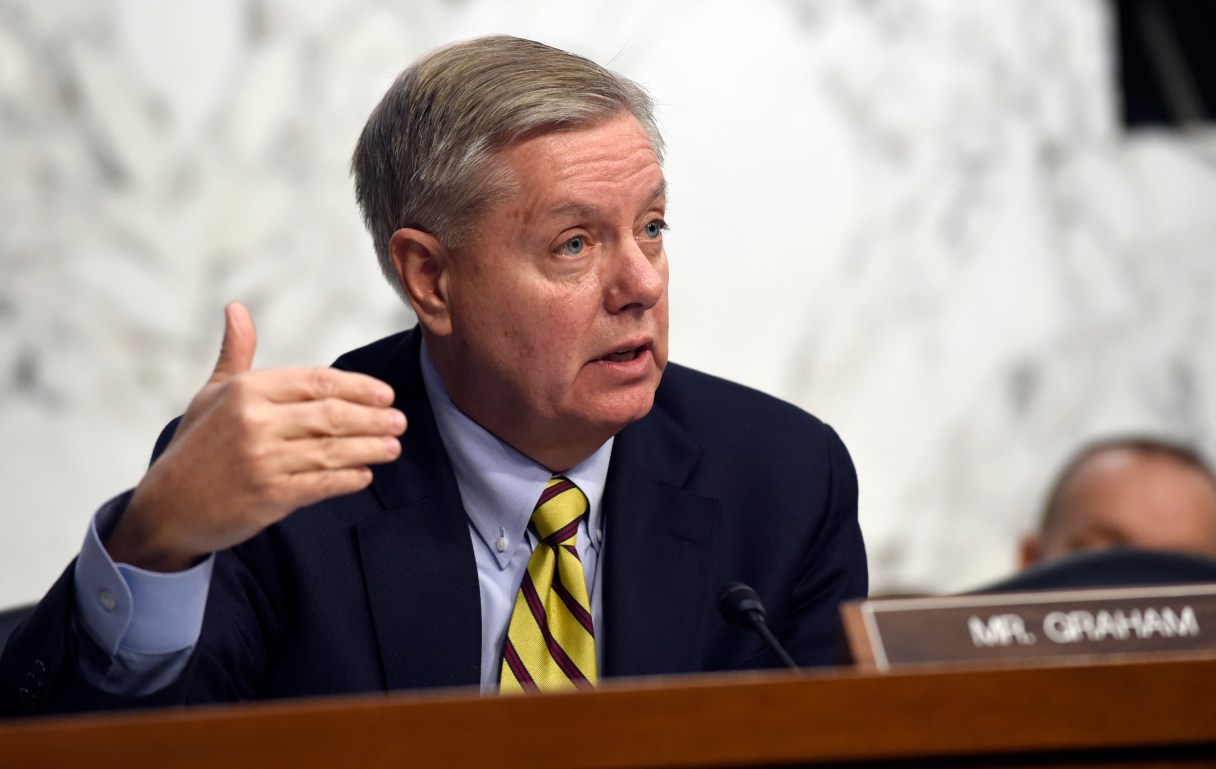
In this Jan. 28, 2015, photo, Sen. Lindsey Graham, R-S.C., on Capitol Hill in Washington. U.S. officials say an independent commission is recommending broad changes to the military’s retirement and health care systems that could save more than $20 billion over the next four years.  Graham told military leaders during a hearing that "we need to look at reforming pay and benefits, be generous but sustainable." (AP Photo/Susan Walsh)
In this Jan. 28, 2015, photo, Sen. Lindsey Graham, R-S.C., on Capitol Hill in Washington. U.S. officials say an independent commission is recommending broad changes to the military’s retirement and health care systems that could save more than $20 billion over the next four years. Graham told military leaders during a hearing that "we need to look at reforming pay and benefits, be generous but sustainable." (AP Photo/Susan Walsh) In this Jan. 28, 2015, photo, Sen. Lindsey Graham, R-S.C., on Capitol Hill in Washington. U.S. officials say an independent commission is recommending broad changes to the military’s retirement and health care systems that could save more than $20 billion over the next four years. Graham told military leaders during a hearing that "we need to look at reforming pay and benefits, be generous but sustainable." (AP Photo/Susan Walsh)

WASHINGTON (AP) – U.S. officials say an independent commission is recommending broad changes to the military’s retirement and health care systems that could save more than $20 billion over the next four years.

The proposals would allow some of the programs to operate more like existing federal employee systems. But they are likely to face an uphill battle from lawmakers who vigorously protect military benefits and have so far resisted change.

Officials familiar with the report say the panel is recommending that the military’s TRICARE health care system be largely replaced, giving families the ability to choose from a wider menu of insurance plans, similar to those used by federal employees.

Officials described the recommendations on condition of anonymity because they were not authorized to discuss them publicly before the report’s release Thursday.