
Saturday, November 14, 2026Nov 14

Loosen Up: NFL to allow some flair in celebrations

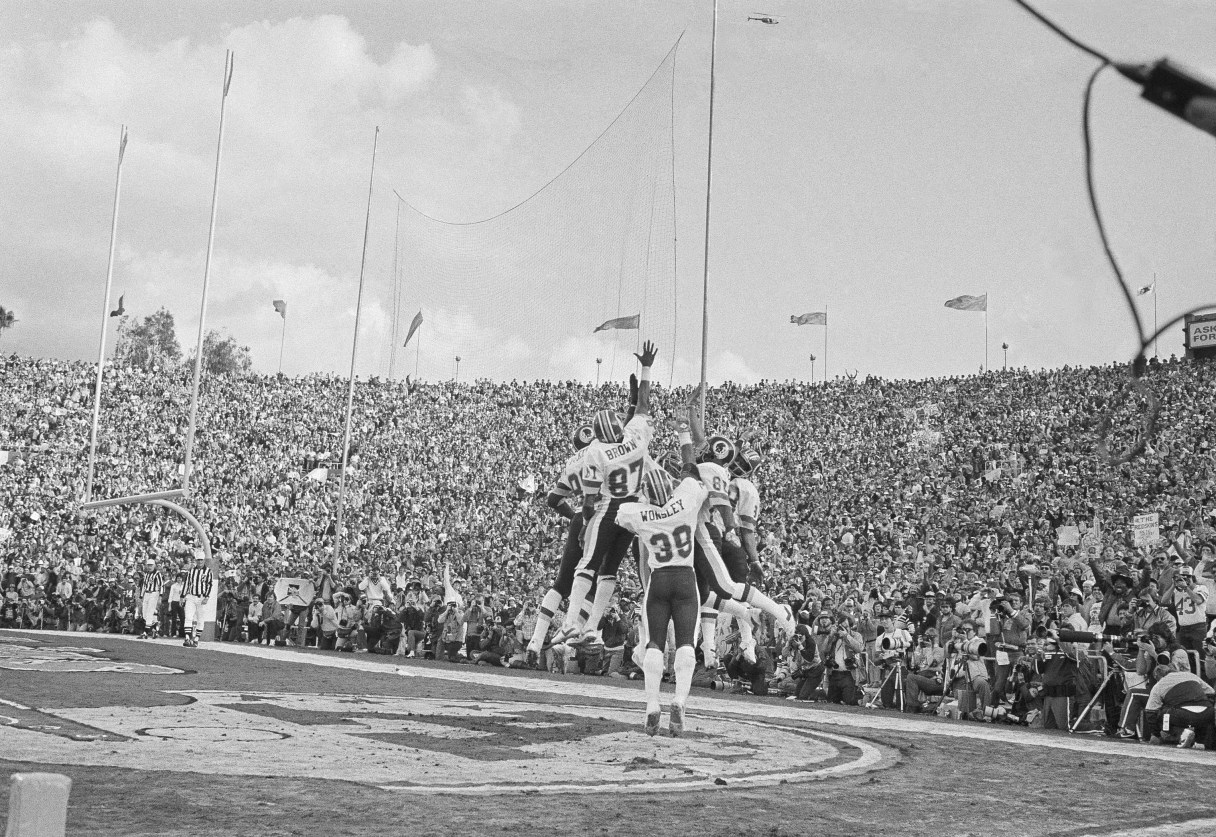
FILE - In this Jan. 30, 1983, file photo, Washington Redskins get together in the end zone to do their trademark high five to celebrate the first half touchdown against the Miami Dolphins in Super Bowl XVII at the Rose Bowl inPasadena, Calif. Jubilant Redskins include, from left, Rick Walker (88), Charlie Brown (87), Otis Wonsley (39), Virgil Seay (80) and Alvin Garrett (89). The NFL wants to put some flair back into celebrations, allowing players to use the football as a prop, celebrate as a group and roll around on the ground again if they choose. (AP Photo)

CHICAGO (AP) – The NFL wants to put some flair back into touchdown celebrations, allowing players to use the football as a prop,celebrate as a group and roll around on the ground again if they choose.

In an email from Commissioner Roger Goodell sent to fans in an effort to deliver “a more exciting game experience,” the commissioner said the new guidelines came after conversations with more than 80 current and former players.

The league, however, will continue to penalize any celebration deemed offensive, including those that embarrass opponents or mimic the use of weapons.

“Players have told us they want more freedom to be able to express themselves,” Goodell wrote.

That freedom had been stripped in many cases, with fans and media criticizing the NFL as being the “No Fun League.” A 15-yard penalty often was the price paid for excessiveness.