
NEW YORK (AP) – Novelist Charles Portis, a favorite among critics and writers for such shaggy dog stories as “Norwood” and “Gringos” and a bounty for Hollywood whose droll, bloody Western “True Grit” was a best-seller twice adapted into Oscar nominated films, died Monday at age 86.
Portis, a former newspaper reporter who apparently learned enough to swear off talking to the media, had been suffering from Alzheimer’s in recent years. His brother, Jonathan Portis, told The Associated Press that he died in a hospice in Little Rock, Arkansas, his longtime residence.
Charles Portis was among the most admired authors to nearly vanish from public consciousness in his own lifetime. His fans included Tom Wolfe, Roy Blount Jr. and Larry McMurtry, and he was often compared to Mark Twain for his plainspoken humor and wry perspective. Portis saw the world from the ground up, from bars and shacks and trailer homes, and few spun wilder and funnier stories. In a Portis novel, usually set in the South and south of the border, characters embarked on journeys that took the most unpredictable detours.
In “Norwood,” an ex-Marine from Texas heads East in a suspicious car to collect a suspicious debt, but winds up on a bus with a circus dwarf, a chicken and a girl he just met. “The Dog of the South” finds one Ray Midge driving from Arkansas to Honduras in search of his wife, his credit cards and his Ford Torino. In “Gringos,” an expatriate in Mexico with a taste for order finds himself amid hippies, end-of-the-world cultists and disappearing friends.
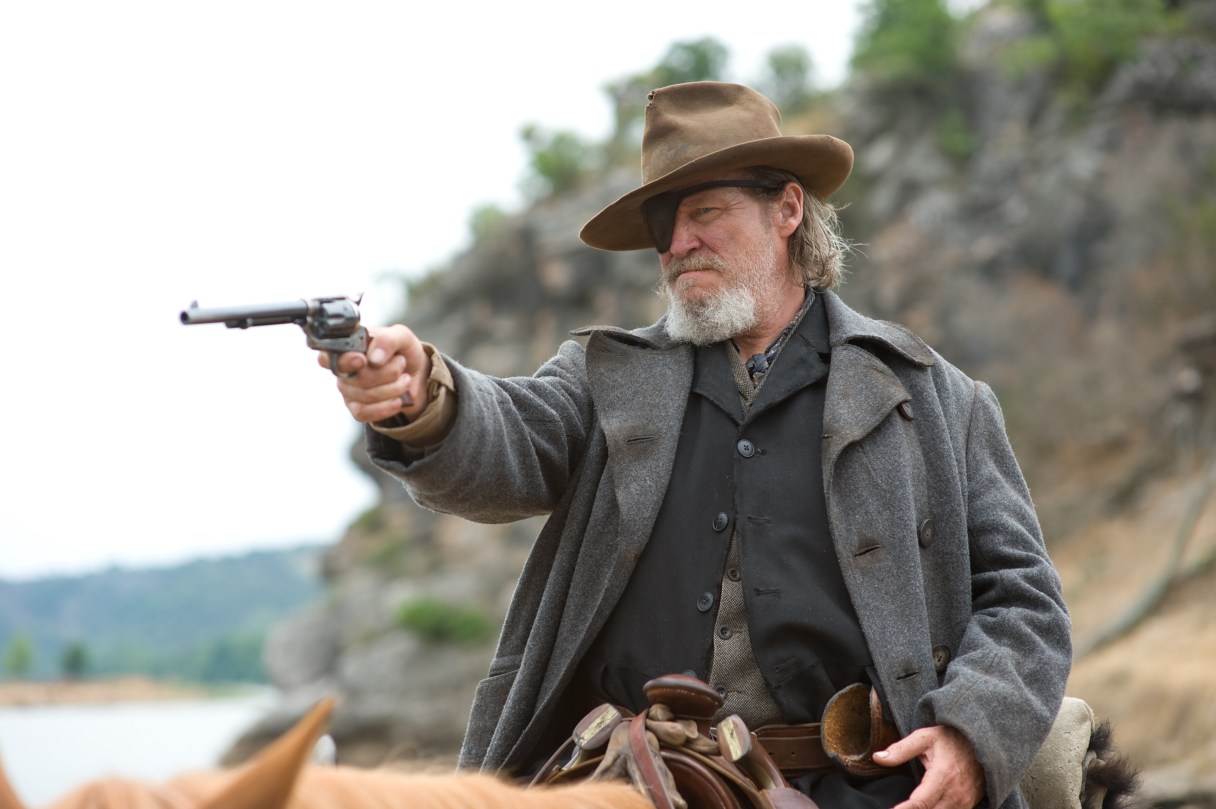
The public knew Portis best for “True Grit,” the quest of Arkansas teen Mattie Ross to avenge her father’s murder. The novel was serialized in the Saturday Evening Post in 1968 and was soon adapted (and softened) as a film showcase for John Wayne, who starred as Rooster Cogburn, the drunken, one-eyed marshal Mattie enlists to find the killer. The role brought Wayne his first Academy Award and was revived by the actor, much less successfully, in the sequel “Rooster Cogburn.”