
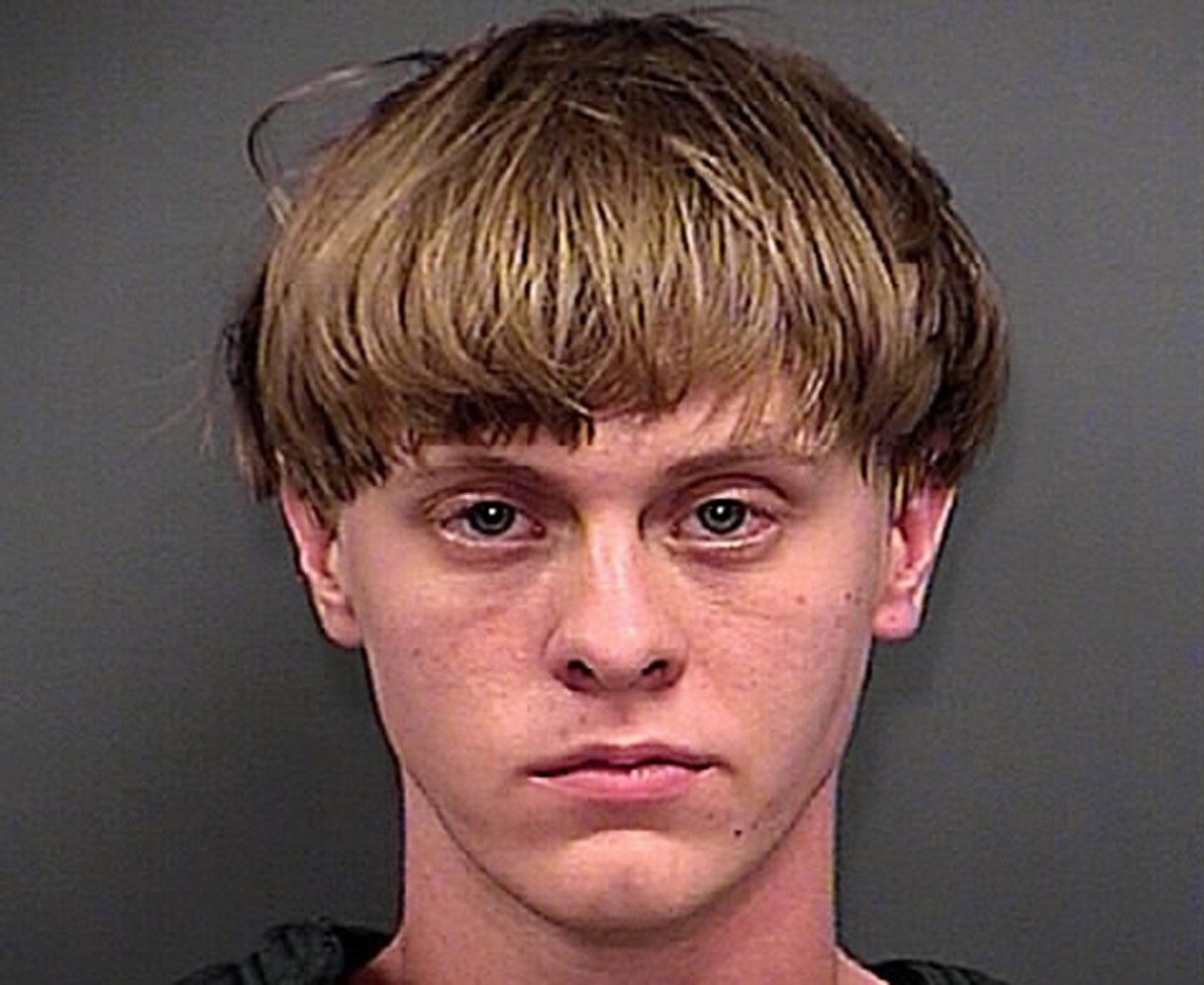
CHARLESTON, S.C. (AP) – The laborious process of juror qualification moves into a second day Tuesday for the white man accused of fatally shooting nine black parishioners at a South Carolina church, with the defendant slowly easing into his role as his own attorney.
In the latest twist in the case, Dylann Roof on Monday was allowed to begin representing himself in his federal death penalty trial on dozens of charges including hate crimes and obstruction of religion. Against his attorneys’ advice, Roof sought to act as his own attorney, giving no reason except the constitutional provision governing defendants’ right to a speedy trial.
The move came as potential jurors began reporting to Charleston’s federal courthouse. So far, seven people – all of them white – have been deemed qualified to serve on the panel that will decide Roof’s fate. Once 70 are qualified – a process expected to take several weeks – attorneys, and now, Roof himself, will whittle that pool down to a jury of 12, plus six alternates.
Qualification initially began three weeks ago but was halted after Roof’s legal team questioned his ability to understand the case against him. After a hasty two-day competency hearing, U.S. District Judge Richard Gergel last week ruled Roof could stand trial. The judge said Monday that Roof filed his motion to represent himself around midnight, before Monday’s court session.
During juror qualification, Roof sat at the defense table occasionally conferring with death penalty attorney David Bruck, sometimes looking at papers spread out before him. He initially registered few objections, agreeing with Gergel about a man’s statements that the crime being in a church made it more worrisome to him and also saying a woman’s death penalty views made her a good juror.