

Two drugs, Revlimid and Gleevec, illustrate the unchallenged power of drug companies to raise prices.
Revlimid (Lenalidomide), produced by Celgene Corp., represents a breakthrough in treating the bone marrow malignancy, multiple myeloma, and two other malignant diseases. Revlimid is derived from thalidomide, an over-the-counter product from the late 1950s, which was withdrawn from the market after it was linked to severe birth defects.
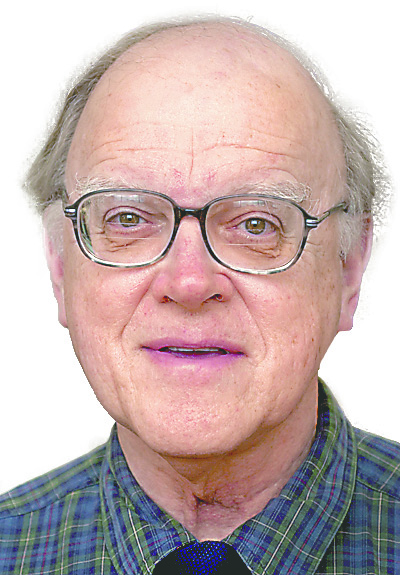 Dr. Clif Cleaveland
Revlimid is usually given in combination with high doses of steroids and other medications. Revlimid-based therapy is credited with sustained remissions in patients suffering from multiple myeloma. Following FDA approval in 2007, Celgene was granted exclusive marketing rights in the U.S. until 2027.
The retail price of Revlimid in the U.S. increased 50 percent from 2012 to 2017. Today, a 10 milligram capsule costs $705. A typical course of the drug is one capsule daily for three weeks, then a week off, then another cycle begins. This may continue indefinitely. A three-week course costs more than $14,800. A patient’s co-payment will vary depending upon his health insurance, including Medicare Part D.
NATCO Pharma Ltd. in India quotes generic Lenolidamide 25 milligram tablets at $193 for 30 tablets, or $6.43 per tablet, less than 1 percent of the U.S. cost.
Celgene was recently purchased by Bristol-Myers Squibb for $74 billion.
Gleevec (Imatinib), manufactured by Novartis and approved by the FDA in 2001, revolutionized the treatment of chronic myeloid leukemia and several other complex disorders. The initial annual list price of the drug was about $26,000. By the time of the expiration of the drug’s patent in 2016, the list price had risen to $108,000 per year. Today, GoodRx lists the annual cost of Gleevec at almost $120,000. The annual cost of the least expensive generic Imatinib is $8,914. In 2016, a year’s supply of generic Imatinib was $8,800 in Canada and $159 in India.
Revlimid and Gleevec are “specialty drugs,” a classification for complex, therapeutic agents developed specifically to treat such chronic diseases as cancer, rheumatoid arthritis, psoriasis, ulcerative colitis and multiple sclerosis. Specialty drugs often require very close monitoring of patients, special handling and intravenous administration. Side-effects can be severe.
Since 2000, the costs for a growing number of specialty drugs have rapidly increased, far outpacing inflation. Specialty drugs have shown an average price increase of 15 percent annually. Most manufacturers of name-brand, specialty drugs have programs to assist patients with limited finances in obtaining high-priced medications. Some cancer clinics also assist insured patients who face large co-payments and deductibles.
Specialty drugs typically require years of basic and applied research for development, testing in animals, and, finally in human populations. Many drugs fail and must be discarded along the way. A high price at the launch of a unique, specialty drug can be justified as necessary to recoup the costs of developing, testing, and bringing a new drug to market.
Steep increases in the prices of Revlimid, Gleevec, and other specialty drugs raise important questions:
» Over what time period are research and development costs for a new drug amortized?
» Are subsequent price increases due to steadily rising costs of production or testing? Or to meet expectations from investors?
» Are revenues from price increases used to pay for research for other new drugs or to cover losses in other lines of business?
» Are patients who rely upon these medications and the public at large owed an explanation for sharp price increases?
» Are the drugs, both brand-name and generic, manufactured in the U.S. or imported and re-packaged?
» Why do periods of exclusivity in marketing name-brand drugs vary? Fifteen years for Gleevec, 20 years for Revlimid?
Pharmaceutical companies should justify and publicize each price increase for their vital products.
(Next week: Proposals for controlling prices of prescription drugs.)
Contact Clif Cleaveland, a retired physician, at ccleaveland@timesfreepress.com.