
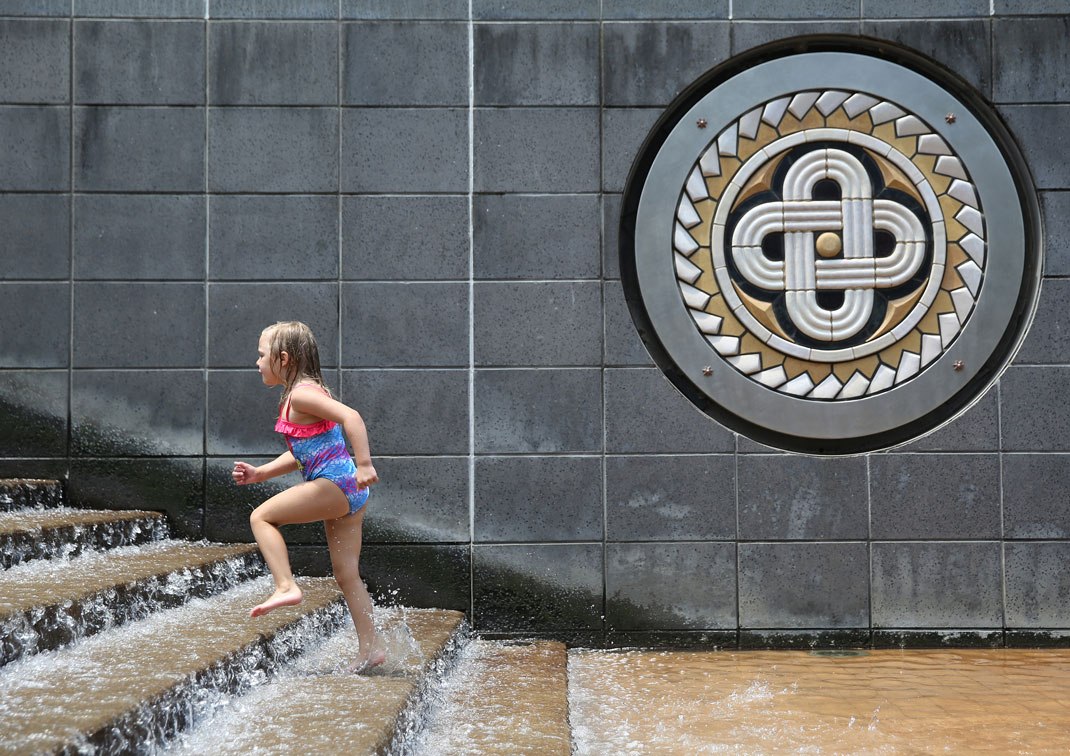
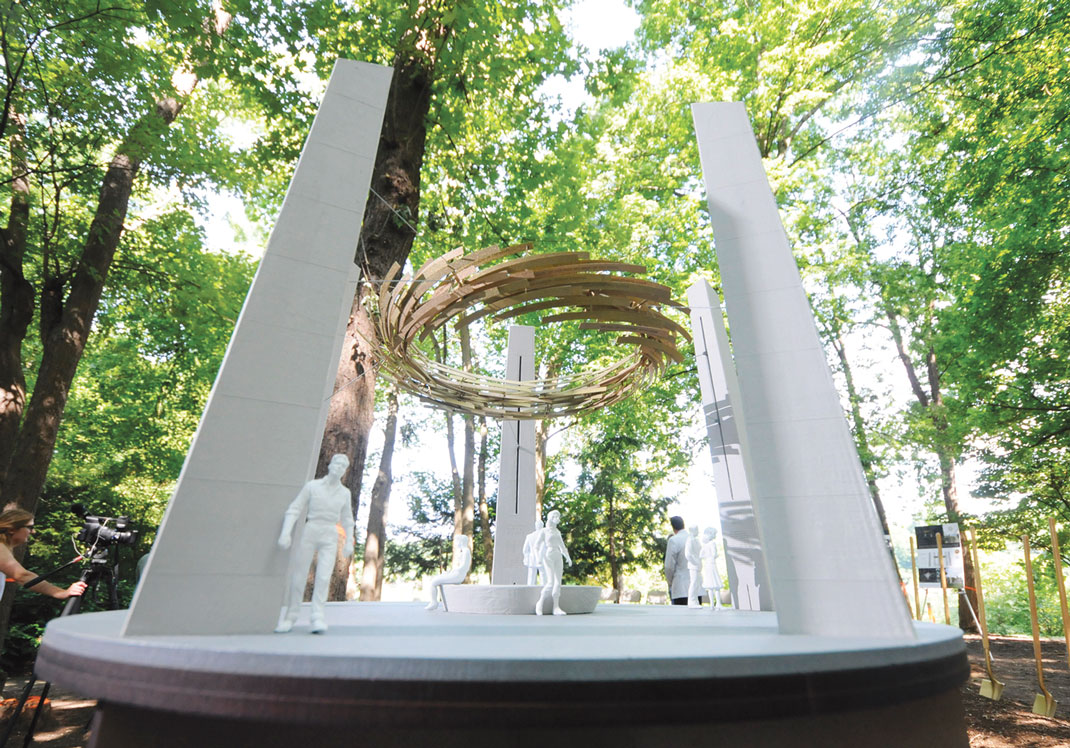
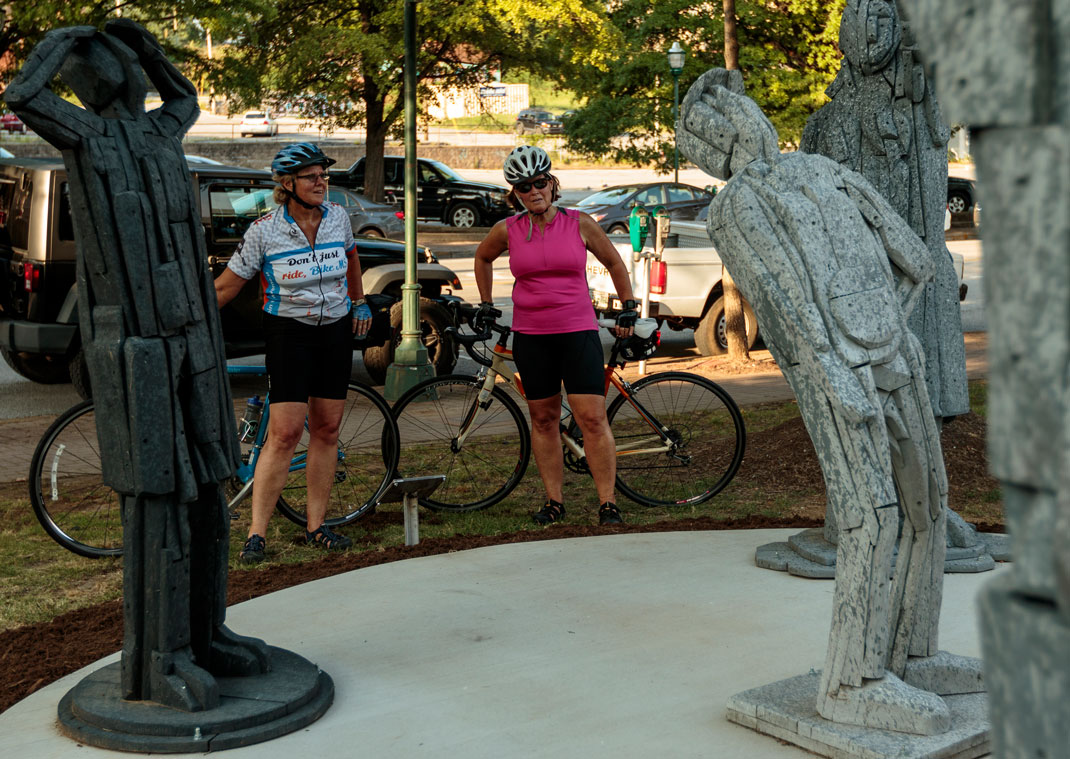
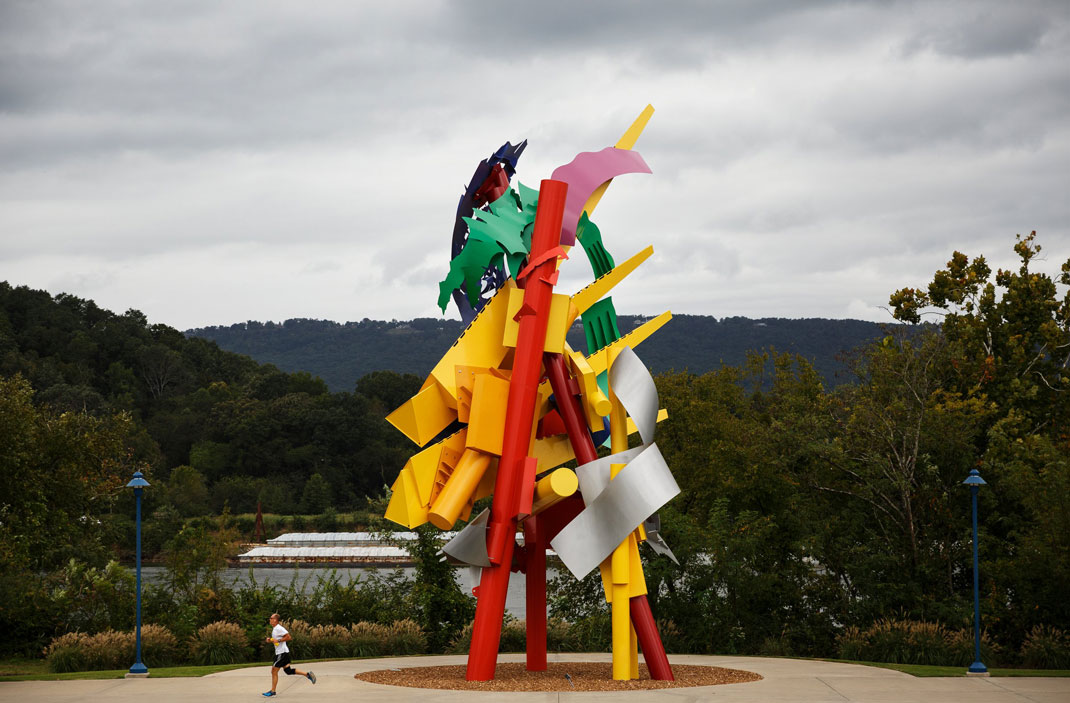
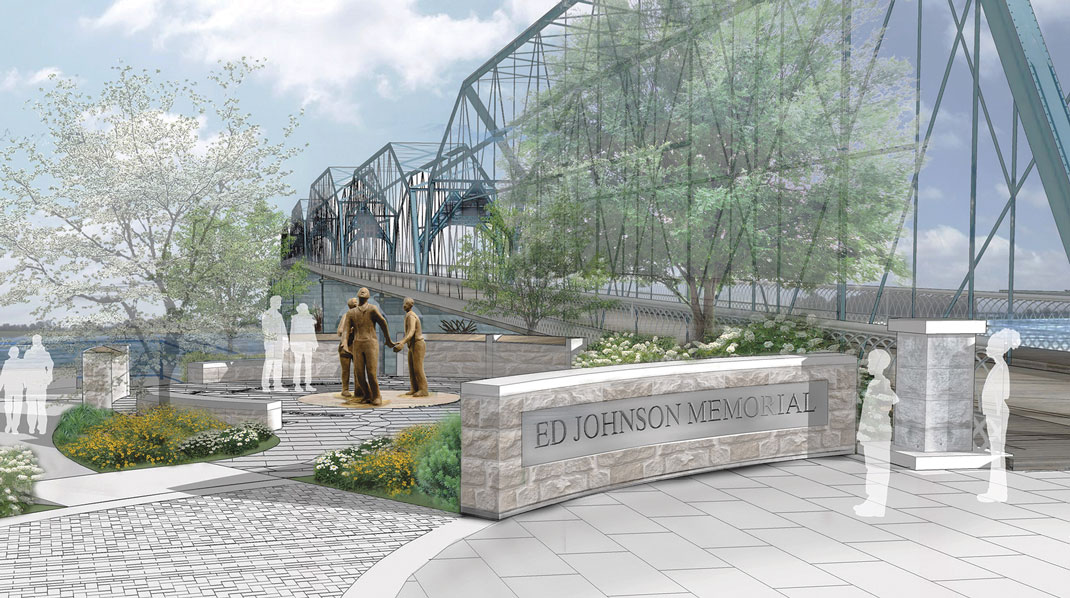
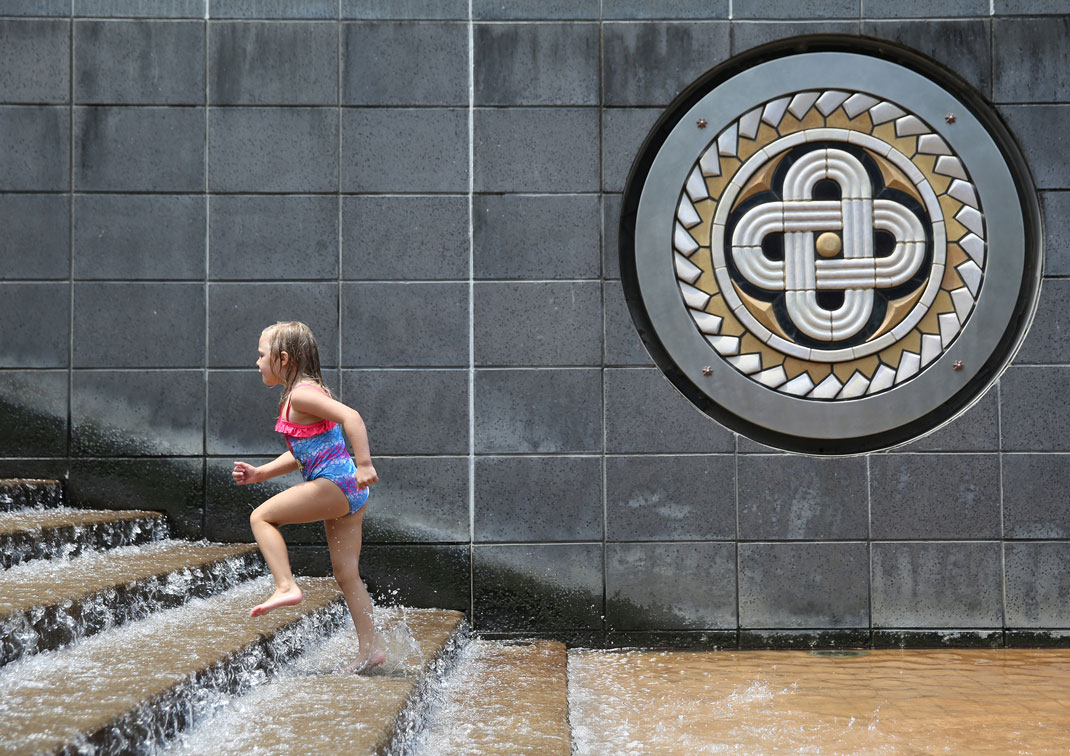
The opportunities cities promise have almost always drawn very different people together. These tensions have no doubt birthed tragic histories. But they have also served to illuminate the unique beauty found in a diversity of cultures and identities.
All of this has been enormous fodder for artists, who are more and more being looked to by cities like Chattanooga to help create a shared sense of place, despite the cacophony of lived experiences.
More Info
» The vibrant arts scene also encompasses a number of community theaters, galleries, events and classes. To keep up to date, visit timesfreepress.com/mychatt.
The city of Chattanooga, which adopted a bold, 10-year vision for public art in February, began to invest in public art and placemaking in the mid-1980s. Post-industrial cities were hemorrhaging residents and jobs. Yet, some cities were spreading the idea that public art and placemaking could make city grit more palatable and even lead to revival and reinvestment. In many cases, they were right.
Beyond the aesthetic, however, public art was also beginning to be seen as a locus of education and reconciliation.