

In its 2010 decision in Citizens United vs. Federal Election Commission, the U.S. Supreme Court by a 5-4 majority removed limits on campaign contributions by corporations, trade unions and other associations. These funds could not be directed by a candidate or his campaign organization. The money had to be independently raised and spent.
Following the decision, so-called “super PACs” – political action committees – sprang up like dandelions. Hundreds of millions of dollars have subsequently poured into political contests to influence their outcomes.
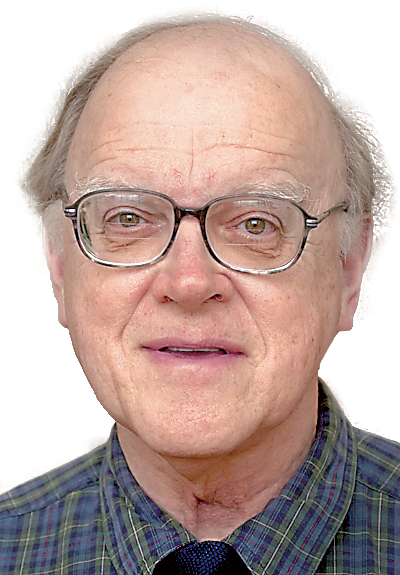 Clif Cleaveland
By another 5-4 vote in 2014, the court removed the limit on the total amount that an individual can contribute to candidates for federal office in a two-year election cycle. The limit of $2,700 per candidate in primary and general elections remained. A limit of $48,600 per individual for all candidates in an election cycle was struck down. As a result, a single person can now contribute to every congressional race.
A super PAC can direct its unlimited funds to support a single candidate or multiple candidates across the country in federal, state and local elections. The identity of donors to a super PAC is often difficult to determine. Although the court ruled in 2010 that super PACs had to be entirely independent of a candidate, this has become a very gray area as far as any enforcement of this requirement.
These funds do not represent love offerings to candidates. The money is aimed at assuring the election of candidates pledged to support the legislative goals of the super PAC and its donors. The Washington Post reported recently on the perks offered large donors by the super PAC called Unintimidated PAC. For $1 million, a donor will enjoy biannual retreats, weekly emails, bimonthly conference calls and two private dinners with “VIP special guests.”
Since it will be difficult for us average voters to know the source of dollars that drive a political campaign, I suggest the creation of publicly funded, special campaign coats for the current crop of presidential candidates.
Once a candidate officially launches a campaign, he/she will receive a knee-length white coat. Brightly colored patches will be added to the coat to reflect both the source and amount of each donation in support of the candidate from Jan. 1, 2015 until the election in November 2016. Each one-inch square would represent $100,000.
Contributions from individuals would be yellow and placed on the front left. Donations from Democratic and Republican Party committees would be blue and red respectively and placed on the front right.
Because of the presence of so many super-PACs, each of these would need a unique color and pattern – stripes, circles, swirls and stars. Imagine how striking a checkered orange-and-blue patch that represented $25 million from an individual super PAC in support of a candidate might look: a 25-by-10-inch addition to the white cloak.
At each campaign stop or television appearance, the candidate must wear the coat, which will be continually updated to reflect the flow of dollars into the campaign from individuals and super PACs. Updated guides to the patches on each candidate’s coat would need to be easily available at each venue.
After space on the coat’s front filled up, new or expanded patches would be added to the back. Before speaking, a candidate would be required to rotate slowly to allow a view of all who had invested in his/her electoral future.
As the campaign progresses, a candidate might require a longer coat if his campaign coffers overflow with super PAC largesse. If the candidate runs out of space on his/her coat, a white stovepipe hat can be provided to accommodate additional patches.
Should my coats-for-candidates plan prove useful in the current presidential campaign, the program could easily be expanded to congressional races.
Beyond this spoof, the issue is whether my vote or the vote of any individual matters in this era of huge donations to poorly regulated super PACs by billionaires who want to rewrite governmental policy. I’m afraid that my vote is worthless until the court reverses its decision in Citizens United. I’m not holding my breath.
Contact Clif Cleaveland at cleaveland1000@comcast.net.