

 Contributed Photo from Chapter16.org / Alice Faye Duncan
“EVICTED! THE STRUGGLE FOR THE RIGHT TO VOTE” by Alice Faye Duncan (Calkins Creek, 64 pages, $19) and “OPAL LEE AND WHAT IT MEANS TO BE FREE: THE TRUE STORY OF THE GRANDMOTHER OF JUNETEENTH” (Tommy Nelson, 32 pages, $18).
Alice Faye Duncan believes that, for authors, the stories they seek also seek them. Her new nonfiction books for young readers are no exception. “Evicted! The Struggle for the Right To Vote” and “Opal Lee and What It Means To Be Free” are lively and informative additions to the books about Black history Duncan has previously written, stories she describes as neglected moments in American history.
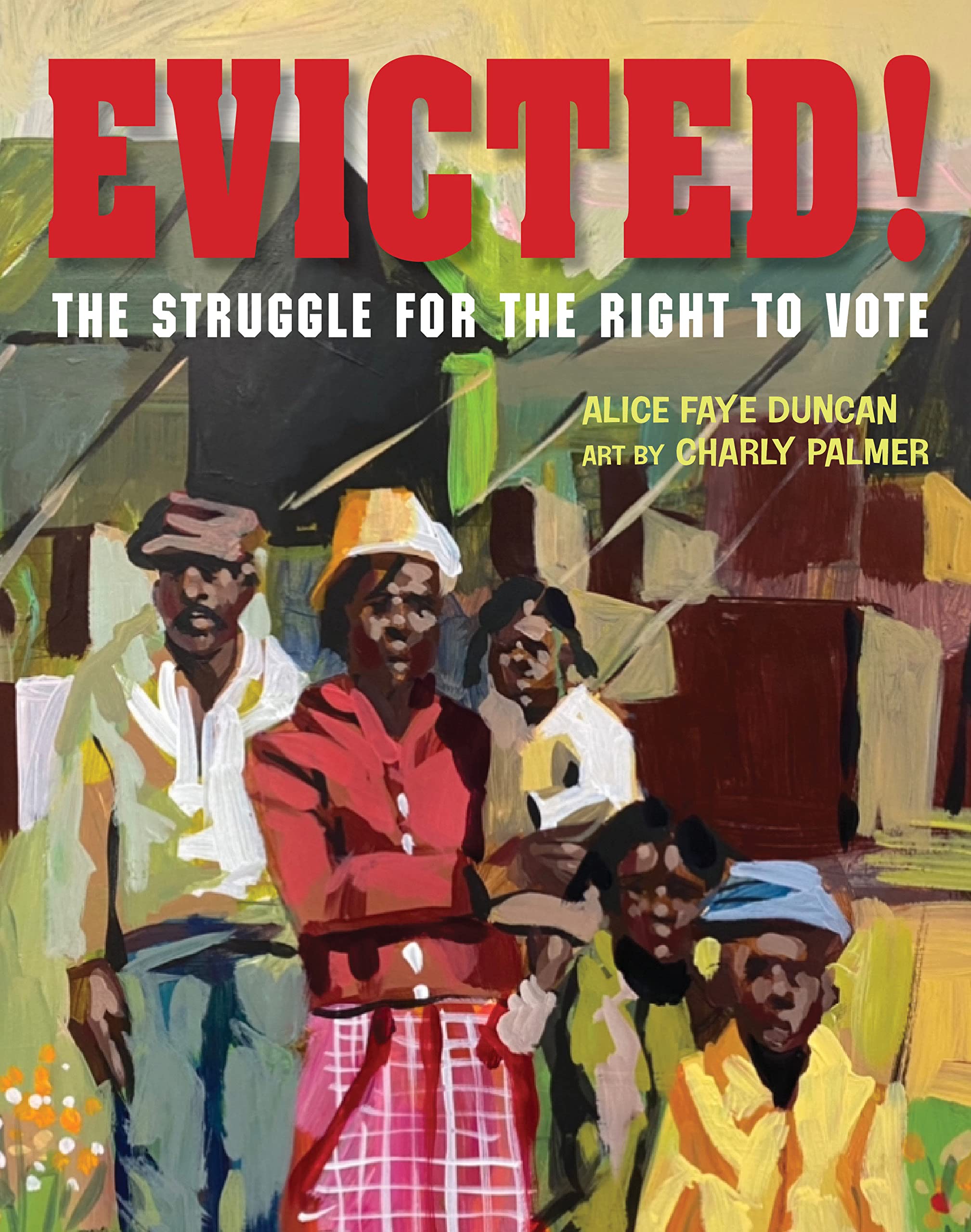 Calkins Creek / “Evicted! The Struggle for the Right To Vote”
“Evicted!” captures the struggles of Black residents in Fayette County, Tennessee, in the 1960s – a community of “unmerited suffering,” Duncan writes, known as Tent City. Black citizens who had long been prohibited from voting participated in voter registration drives organized by farmers John McFerren and Harpman Jameson. As a result, the White Citizens Council, a segregationist group, forced the Black sharecroppers off their land and into tents. As a form of punishment, they also denied these families medicine, insurance policies and goods and services. This struggle caught the attention of the nation and resulted in the historic Voting Rights Act of 1965.
The book opens with illustrated profiles of the movement’s key players – Duncan calls artist Charly Palmer’s illustrations for the book “wondrous” – and continues with detailed vignettes in words and art of those who fought to obtain voting rights. Duncan’s work in Memphis as a school librarian, one who knows the curricular gaps, guided her. “Nobody in even Fayette County – not a child! – knows that story,” she exclaimed. “No kid in Memphis understands that story. No kid in East Tennessee understands the weight of that movement and how it is the one movement that influenced young college kids, like John Lewis and the young Freedom Riders. That movement influenced them to go into the rural areas of the South and initiate a voters registration drive. What they were doing was extraordinary. They were sacrificing their comfort for the right to vote.”
During her research, Duncan was moved to discover that her family, in multiple ways, is connected to the story of Tent City. “I know these people,” she said. “I feel like I’ve been chosen to share these Memphis and Tennessee histories that are so unexplored.”