
Thursday, October 29, 2026Oct 29

This story is free to read.

Study documents tree species’ decline due to climate warming

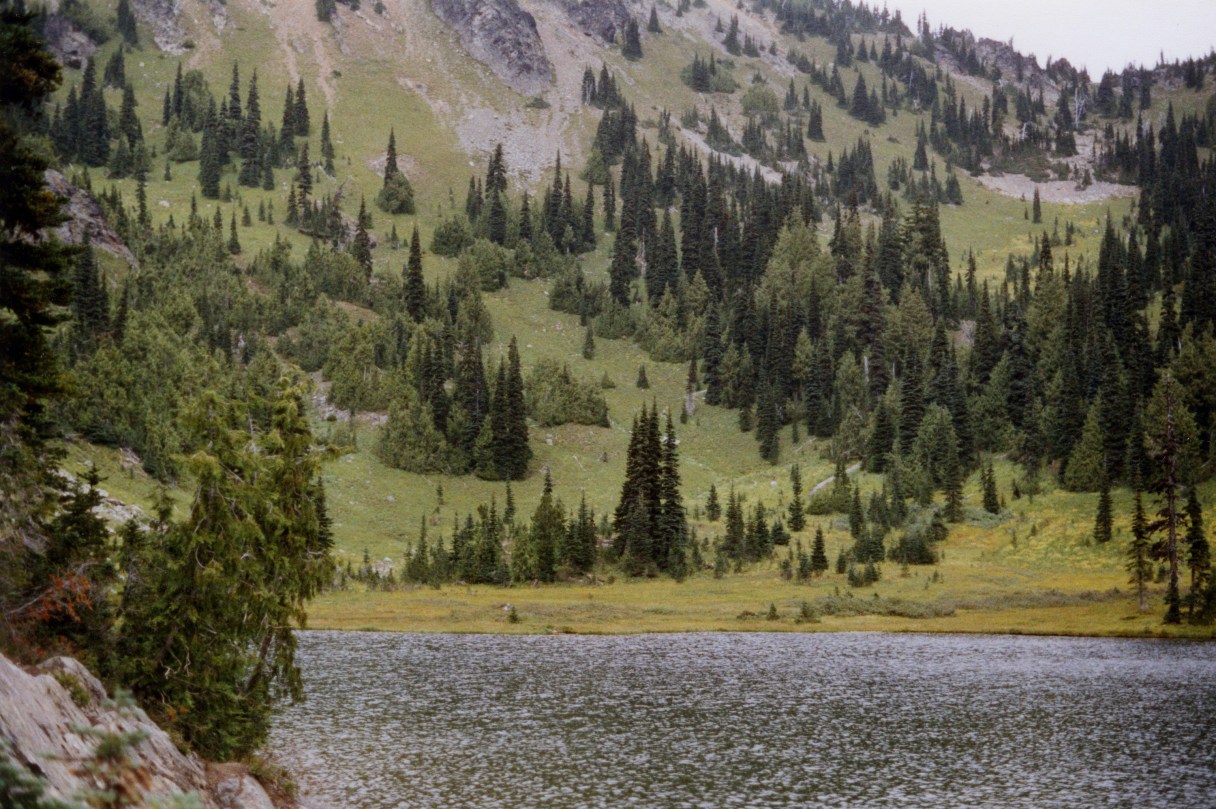
This undated photo provided by the U.S. Forest Service shows yellow-cedar trees growing along Sheep Lake east of the Cascade crest in Washington State. A study documenting mortality of yellow cedar trees in Alaska and British Columbia concludes that the future is gloomy for the iconic species valued for its commercial and cultural values. Researchers say additional mortality is likely over the next 50 years as the climate warms and rain replaces snow. (U.S. Forest Service via AP)
This undated photo provided by the U.S. Forest Service shows yellow-cedar trees growing along Sheep Lake east of the Cascade crest in Washington State. A study documenting mortality of yellow cedar trees in Alaska and British Columbia concludes that the future is gloomy for the iconic species valued for its commercial and cultural values. Researchers say additional mortality is likely over the next 50 years as the climate warms and rain replaces snow. (U.S. Forest Service via AP) This undated photo provided by the U.S. Forest Service shows yellow-cedar trees growing along Sheep Lake east of the Cascade crest in Washington State. A study documenting mortality of yellow cedar trees in Alaska and British Columbia concludes that the future is gloomy for the iconic species valued for its commercial and cultural values. Researchers say additional mortality is likely over the next 50 years as the climate warms and rain replaces snow. (U.S. Forest Service via AP)

ANCHORAGE, Alaska (AP) – A type of tree that thrives in soggy soil from Alaska to Northern California and is valued for its commercial and cultural uses could become a noticeable casualty of climate warming over the next 50 years, an independent study has concluded.

Yellow cedar, named for its distinctive yellow wood, already is under consideration for federal listing as a threatened or endangered species.

The study published in the journal Global Change Biology found death due to root freeze on 7 percent of the tree’s range, including areas where it’s most prolific. It cited snow-cover loss that led to colder soil.

Additional mortality is likely as the climate warms, researchers said.

“Lack of snow is only going to become more and more prevalent,” said lead author Brian Buma, a University of Alaska Southeast assistant professor of forest ecosystem ecology.