

Growing up, before I could read, I learned many prayers by heart. The Lord’s Prayer, prayers at meals we called “Saying Grace” and prayers at bedtime were all part of our daily routine.
As an early reader, I even tried to copy our Episcopal Book of Common Prayer when I was in first grade. Since it was a several-hundred-page book, that task quickly fell by the wayside. Still, the power of prayers in my life remained. Having been accused of never meeting a conversation I did not want to have, perhaps it was the allure of conversation with God that kept prayer so central.
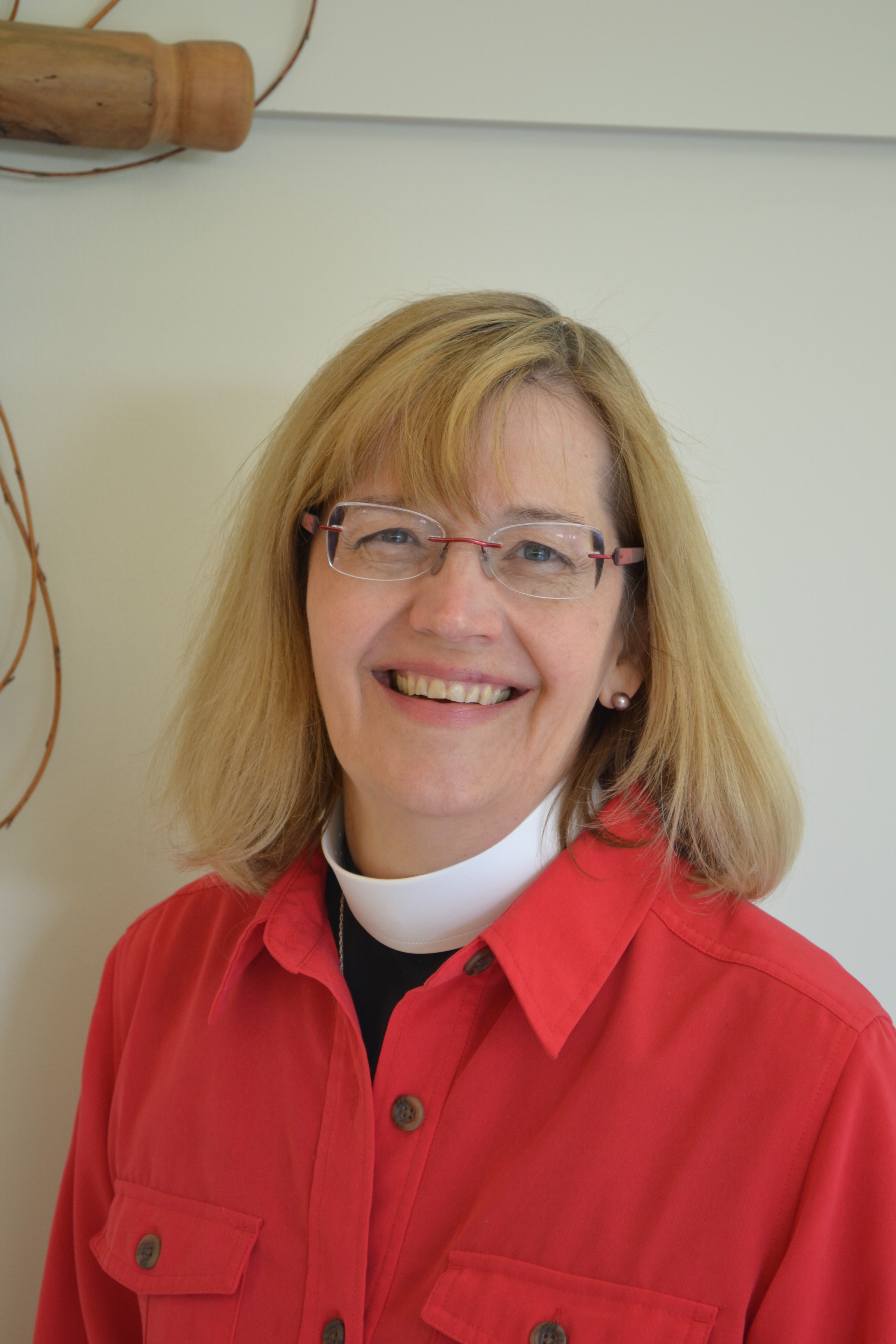 Louisa Parsons
According to our Book of Common Prayer: “Prayer is responding to God, by thought and by deeds, with or without words.” What we say in our designated times of prayer is an important response to God. At the same time, our actions throughout the day are also important responses. What a powerful viewpoint that is: Our actions can be a response to God, even without words. In fact, our actions can be a response to the Divine, even when we are not consciously aware of why or to whom we are responding.
How many of us have felt the unexpected urge to pick up the phone and check on someone, only to learn that something significant has happened in that person’s life? Suddenly, what was meant to be a simple call to say “hello” becomes an opportunity to offer much-needed support.
Standing in a line at the checkout counter, a casual smile to another in line can bring an unexpected lift of spirits for that person, who may be having a challenging day. Holding back long enough to let a car in front of us in traffic may mean that person arrives safely home. All of these can be responses to a Holy Spirit nudge and are the simple ways our actions become prayers.
As we become more aware that our actions can be prayers, prayer becomes more central in our lives. Driving to work or to the store, with each mailbox or street sign we pass or person we see, offer up someone – family, friend, co-worker or even the face of that person whose name we do not know – in prayer. Simple prayers such as “God be with them” are appropriate because God knows what they need. Waiting at a stoplight, ask God to be present: “Lord be with me.”
While many may think this is a rather simplistic approach, I can attest that it is not. Strong relationships take both commitment and the risk of sharing ourselves with others. The best conversations come from deep understanding each other.
The more attentive we become to the many ways we are in conversation with God, the deeper our understanding grows that God is the one in whom we live, and move and have our being. God is ever with us, knows our words and our hearts, and God loves us through the silences, the chaos, the sorrows and the joys of our days.
Louisa Parsons is the rector at St. Francis of Assisi Episcopal Church. She married her college sweetheart and they have two grown children.