
Over the past several years we’ve learned a lot about the unintended consequences of social media. Platforms intended to bring us closer together make us angrier and more isolated. Platforms aimed at democratizing speech empower demagogues. Platforms celebrating community violate our privacy in ways we scarcely realize.
Now Facebook has announced it has permanently banned Louis Farrakhan, Alex Jones, Milo Yiannopoulos and a few other despicable people from its platform.
The issue isn’t whether the people in question deserve censure. They do. Or that the forms of speech in which they traffic have redeeming qualities. They don’t. Nor is the issue that Facebook has a moral duty to protect the free-speech rights of Farrakhan, Jones and their cohorts. It doesn’t. With respect to freedom of speech, the First Amendment says nothing more than that Congress shall make no law abridging it. A public company such as Facebook – like a private university or a family-owned newspaper – has broad latitude to feature or censor, platform or de-platform, whatever and whomever it wants.
Facebook’s house, Facebook’s rules.
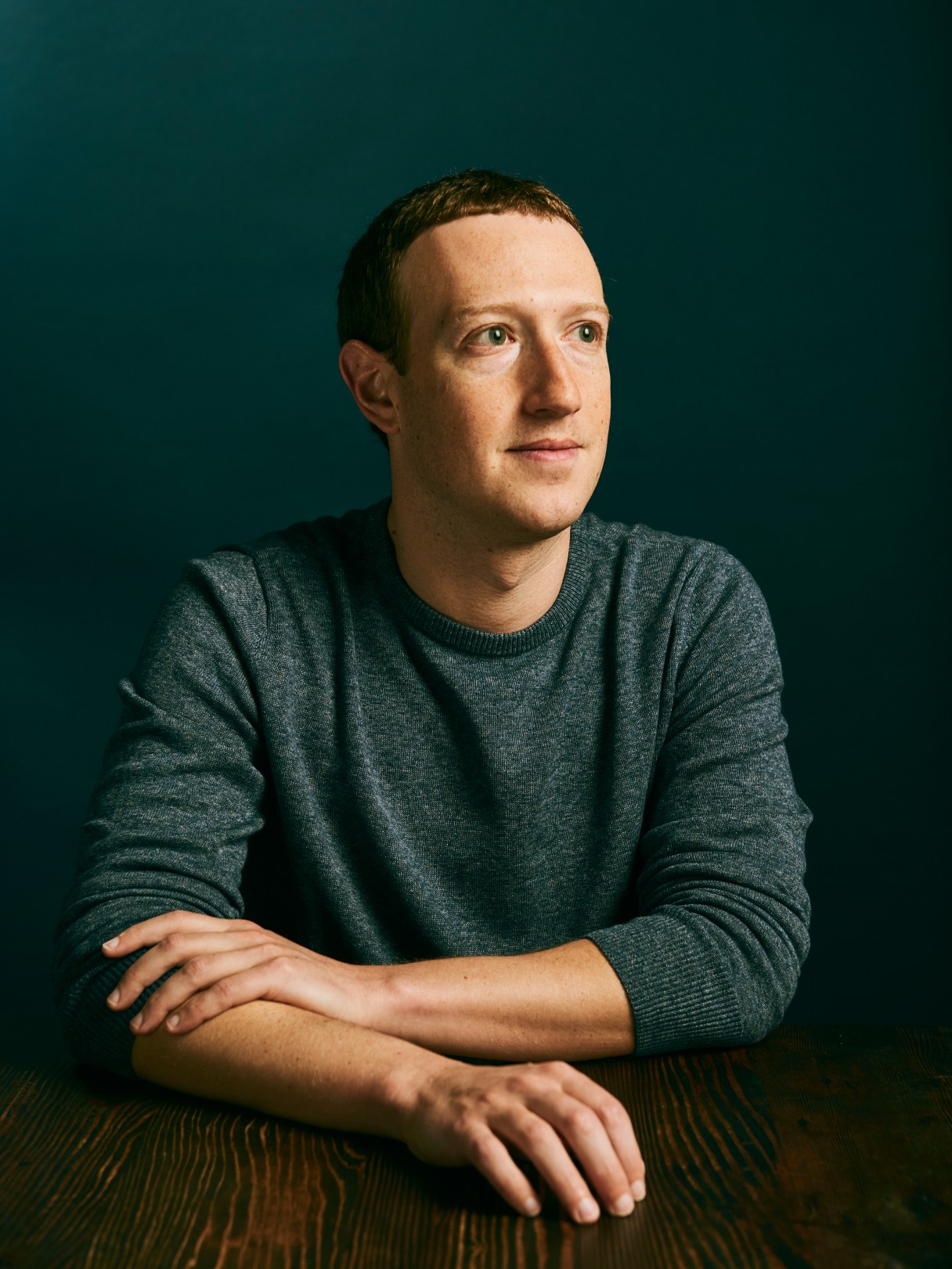
The issue is much simpler: Do you trust Mark Zuckerberg and the other young lords of Silicon Valley to be good stewards of the world’s digital speech?