
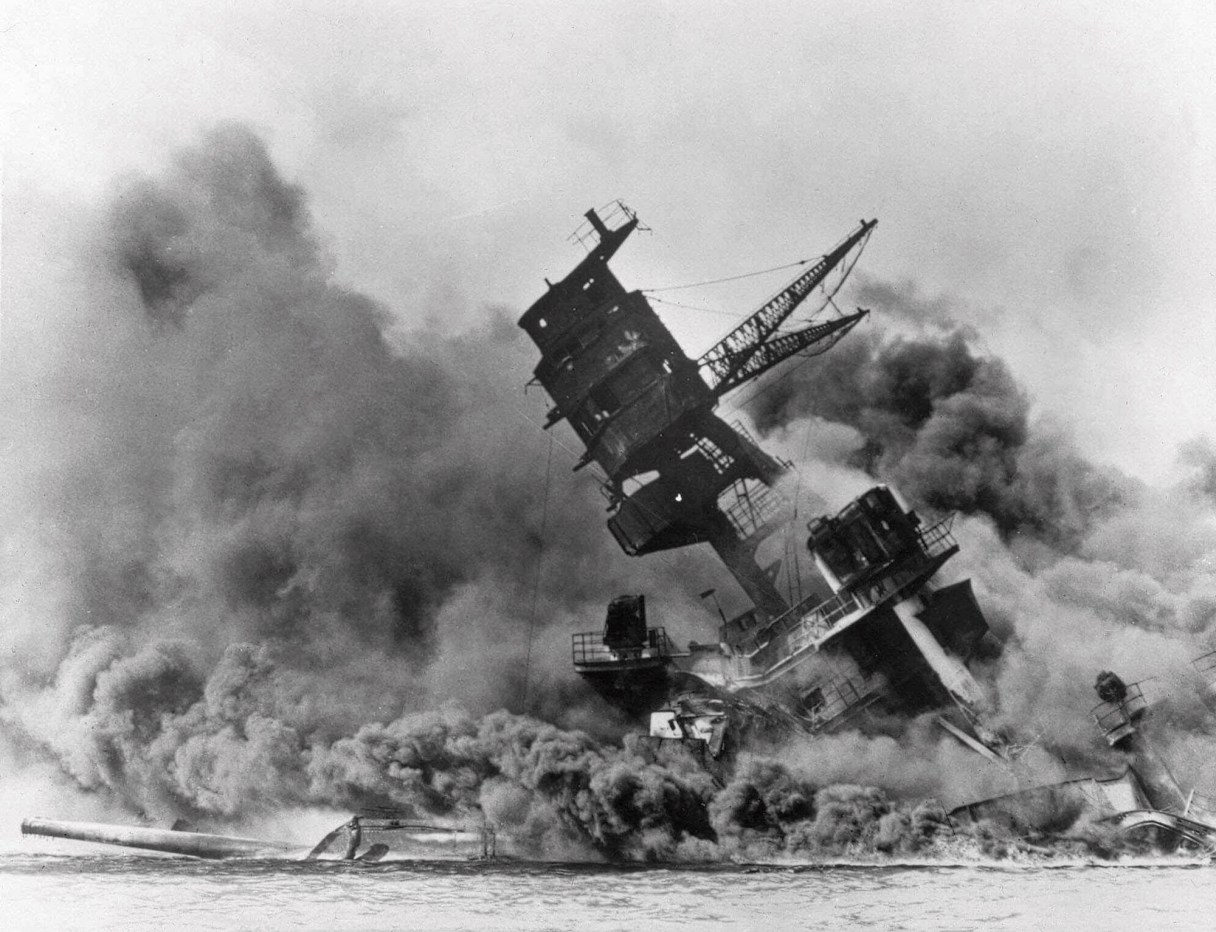
Marshal Admiral Isoroku Yamamoto commanded the Imperial Japanese Navy in World War II until he was killed in April 1943. Despite the dialogue from the 1970 WWII film “Tora! Tora! Tora!” Yamamoto probably did not say in the aftermath of the Pearl Harbor attack, “I fear all we have done is to awaken a sleeping giant and fill him with a terrible resolve.”
But Yamamoto likely either wrote or said something similar: “I can run wild for six months … after that, I have no expectation of success.”
Yamamoto summed up a general feeling among the Japanese admirals that the huge industrial capacity of the U.S. – which had been asleep during the Great Depression – along with the righteous anger and frenzy of an aroused American democracy would ensure the destruction of the Japanese empire in short order.
They were right.
In 1940, there were fewer than 500,000 service members in the U.S. military. At the time of the Pearl Harbor attack, that number had grown to nearly 2.2 million. By 1945, more than 12 million Americans were in the armed services. It was an astonishing mobilization for a nation of fewer than 140 million people.